Table of Contents
- Why Contract Management Software for Legal Departments Is Essential
- Key Features of Contract Management Software for Legal Departments
- Choosing the Right Contract Management Software for Legal Departments
- Implementation Roadmap for Contract Management Software for Legal Departments
- 1. Define Objectives and Success Metrics
- 2. Map Existing Processes
- 3. Select a Vendor and Pilot
- 4. Configure Workflows and Clause Libraries
- 5. Train Users and Promote Adoption
- 6. Go Live and Monitor
- 7. Continuous Optimization
- Integrating Contract Management Software with Other Enterprise Systems
- Financial and ERP Integration
- CRM and Sales Enablement
- eSignature and Document Management
- Measuring the Impact of Contract Management Software for Legal Departments
- Future Trends Shaping Contract Management for Legal Teams
Legal departments today face a growing volume of contracts, ranging from simple NDAs to complex multi‑jurisdictional agreements. Managing these documents manually—often through email threads, shared drives, and spreadsheets—creates bottlenecks, increases the risk of missed deadlines, and makes audits a nightmare. The pressure to accelerate deal cycles while maintaining rigorous compliance has driven many organizations to adopt specialized technology.
Enter contract management software for legal departments. These platforms centralize every stage of the contract lifecycle, providing visibility, control, and analytics that were previously impossible to achieve at scale. By automating routine tasks, enforcing standardized clauses, and offering real‑time reporting, the software helps legal teams shift their focus from administrative chores to strategic risk mitigation.
In the following sections we explore the core capabilities of contract management software for legal departments, the criteria for selecting the right solution, and practical steps for successful implementation. Whether you are evaluating a first‑time purchase or looking to upgrade an existing system, the insights here will guide you toward a more efficient and compliant contract process.
Why Contract Management Software for Legal Departments Is Essential
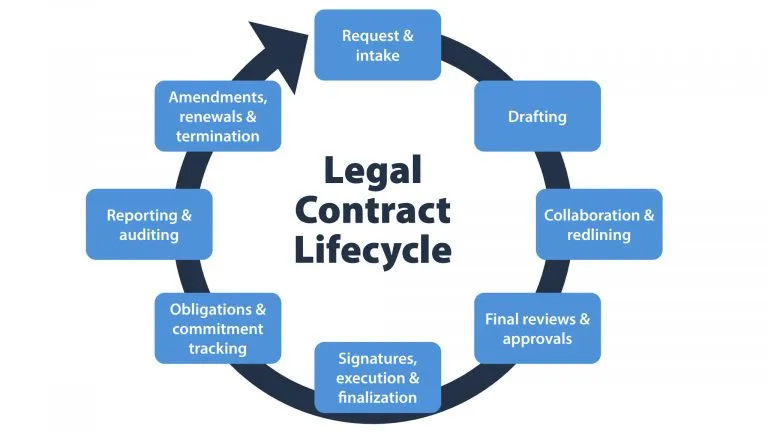
At its heart, contract management software for legal departments is built to address three fundamental challenges: visibility, control, and efficiency. Visibility means having a single source of truth where every contract can be located, searched, and monitored. Control involves enforcing governance policies—such as mandatory clause libraries, approval hierarchies, and renewal alerts—across the entire organization. Efficiency is achieved through automation of repetitive tasks like data extraction, routing for signatures, and compliance checks.
When these challenges are resolved, legal departments report measurable benefits: shorter cycle times, lower litigation exposure, and better leverage in negotiations. Moreover, the data captured by the system enables predictive analytics, helping legal leaders forecast renewal revenue, identify risky counterparties, and allocate resources more strategically.
Key Features of Contract Management Software for Legal Departments
- Central Repository: All contracts are stored in a secure, searchable database with version control.
- Automated Workflow: Pre‑defined routing rules move drafts through drafting, review, approval, and execution stages without manual hand‑offs.
- Clause Library & Templates: Standardized language reduces risk and ensures consistency across contracts.
- eSignature Integration: Built‑in or third‑party e‑signature tools accelerate execution while maintaining legal validity.
- Obligation Management: Alerts and dashboards track critical dates such as renewal, termination, and performance milestones.
- Analytics & Reporting: Real‑time dashboards provide insights into contract value, risk exposure, and compliance status.
- Security & Permissions: Role‑based access controls and encryption protect sensitive contractual data.
Choosing the Right Contract Management Software for Legal Departments
Not every platform fits every organization. When evaluating options, consider the following criteria:
- Scalability: Can the system handle the volume of contracts you anticipate over the next five years?
- Integration Capability: Does it connect seamlessly with your ERP, CRM, or e‑signature providers?
- User Experience: A steep learning curve can hinder adoption; look for intuitive interfaces and robust onboarding.
- Compliance Features: Ensure the platform supports GDPR, HIPAA, or industry‑specific regulations that affect your contracts.
- Customization: Ability to configure workflows, approval matrices, and reporting to match your department’s unique processes.
Many legal teams also compare the solution against other types of management software they already use. For instance, the principles of a in‑house legal case management software—such as centralized data and workflow automation—often overlap with contract management needs. Understanding these synergies can simplify vendor negotiations and reduce total cost of ownership.
Implementation Roadmap for Contract Management Software for Legal Departments
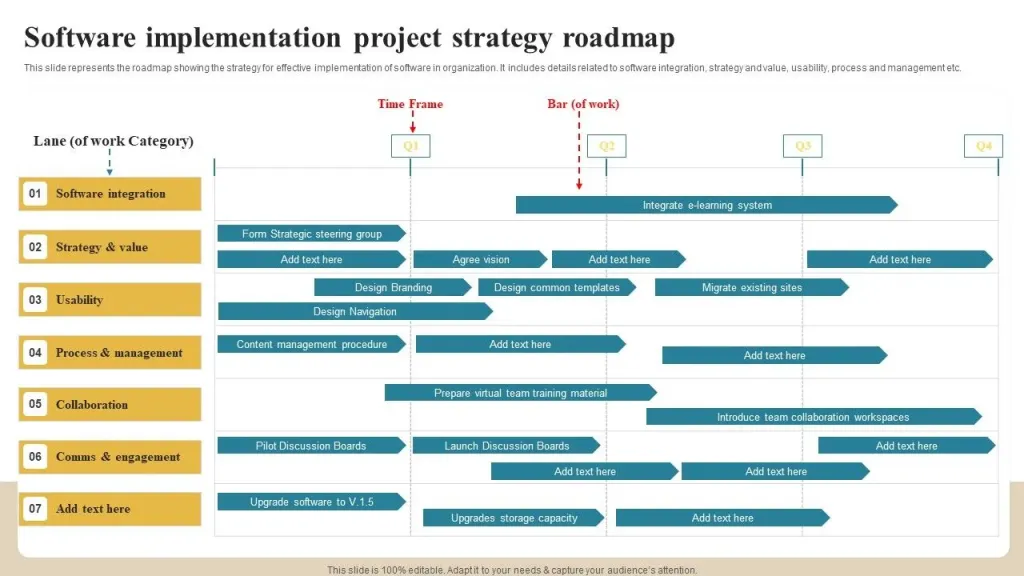
A successful rollout requires more than simply purchasing a license. It involves careful planning, stakeholder alignment, and continuous improvement. Below is a step‑by‑step roadmap that legal departments can follow to maximize ROI.
1. Define Objectives and Success Metrics
Start by articulating clear goals—e.g., reduce contract cycle time by 30% or achieve 100% compliance on renewal alerts. Establish key performance indicators (KPIs) such as average approval duration, number of missed deadlines, and user adoption rates. These metrics will guide configuration decisions and later serve as benchmarks for success.
2. Map Existing Processes
Document the current contract lifecycle, identifying pain points and manual interventions. A visual flowchart helps pinpoint where automation will have the greatest impact. During this phase, involve both legal professionals and business users to capture cross‑functional requirements.
3. Select a Vendor and Pilot
Shortlist vendors that meet the criteria outlined earlier. Conduct a pilot with a limited set of contract types—perhaps high‑value NDAs or vendor agreements—to test workflow configurations, integration points, and user acceptance. Use feedback from the pilot to fine‑tune the system before full‑scale deployment.
4. Configure Workflows and Clause Libraries
Leverage the platform’s flexibility to embed your department’s approval hierarchies and mandatory clauses. Building a robust clause library early on reduces drafting time and mitigates risk. Remember to align these configurations with the organization’s broader governance policies.
5. Train Users and Promote Adoption
Even the most sophisticated software will falter without proper training. Organize role‑based sessions—administrators, reviewers, and executives—to demonstrate key functions. Provide quick‑reference guides and establish a help‑desk channel for ongoing support.
6. Go Live and Monitor
Launch the system organization‑wide, while maintaining a parallel manual process for a short transition period. Track the pre‑defined KPIs closely; any deviation should trigger a root‑cause analysis and corrective action.
7. Continuous Optimization
Contract management is an evolving discipline. Schedule quarterly reviews to assess workflow efficiency, update clause libraries, and incorporate new regulatory requirements. Leveraging the analytics module can reveal trends—such as frequently negotiated terms—that inform future policy updates.
Integrating Contract Management Software with Other Enterprise Systems

Legal departments rarely operate in isolation. Contracts intersect with procurement, finance, sales, and compliance teams. Seamless integration amplifies the value of contract management software for legal departments by eliminating data silos.
Financial and ERP Integration
Connecting the contract platform to your ERP enables automatic creation of purchase orders, invoicing triggers, and revenue recognition events. This reduces manual data entry and ensures financial data reflects the latest contractual terms.
CRM and Sales Enablement
When sales reps close deals, contract details can flow directly from the CRM into the contract repository, preserving the original terms and facilitating post‑sale compliance checks. This integration also supports accurate forecasting and quota planning.
eSignature and Document Management
Most contract management solutions offer native e‑signature capabilities or integrate with providers like DocuSign and Adobe Sign. Additionally, linking to document management systems (e.g., SharePoint) provides a backup repository and supports enterprise‑wide access controls.
For organizations already using other specialized software, the integration experience often mirrors that of quality management system software in regulated industries—both require rigorous audit trails, role‑based security, and compliance reporting.
Measuring the Impact of Contract Management Software for Legal Departments
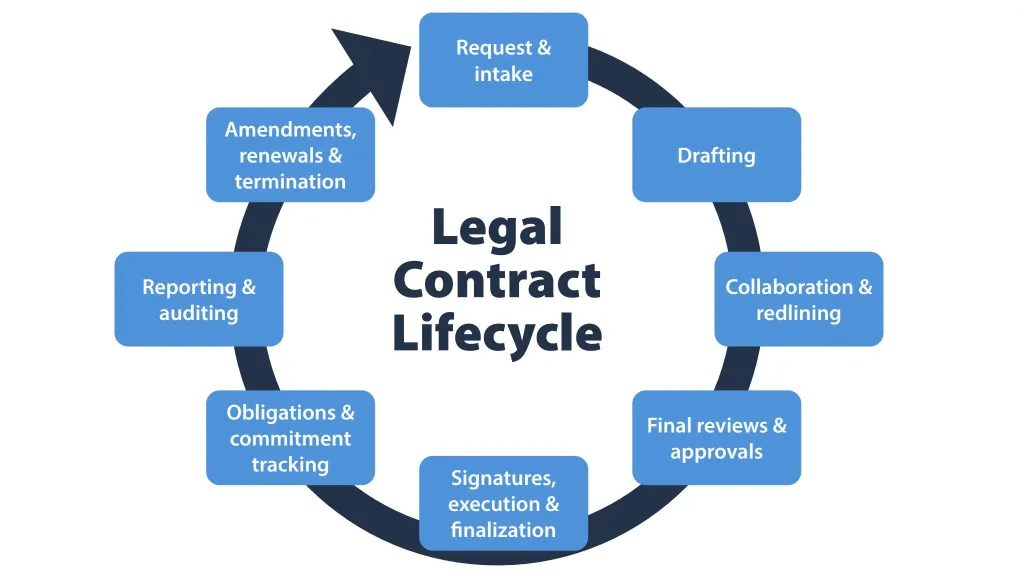
Quantifying the benefits of contract management software for legal departments helps justify the investment and guides future enhancements. Below are common measurement approaches:
- Cycle Time Reduction: Compare average time from draft to execution before and after implementation.
- Renewal Capture Rate: Track the percentage of contracts renewed on time versus missed opportunities.
- Risk Exposure: Monitor the number of contracts with missing or non‑standard clauses.
- Cost Savings: Calculate labor hours saved through automation and reduced reliance on external counsel for routine contracts.
- User Satisfaction: Conduct periodic surveys to gauge how the platform improves daily workflows.
Reporting dashboards built into most contract management software for legal departments provide real‑time visibility into these metrics, allowing leadership to make data‑driven decisions.
Future Trends Shaping Contract Management for Legal Teams

As artificial intelligence and machine learning mature, contract management software for legal departments is poised to become even more proactive. Predictive analytics will anticipate renewal windows, suggest optimal negotiation language, and flag high‑risk clauses before they become liabilities. Natural language processing (NLP) will enable smarter search capabilities, allowing lawyers to locate specific provisions across thousands of contracts with a simple keyword query.
Another emerging trend is the rise of contract “living” documents—contracts that dynamically update based on external data feeds (e.g., price indices or regulatory changes). Integrating these living contracts with blockchain for immutable audit trails may also become mainstream, especially in sectors where provenance and tamper‑evidence are critical.
Legal departments that adopt these advanced capabilities early will gain a competitive edge, turning contract data into a strategic asset rather than a compliance burden.
In conclusion, contract management software for legal departments is no longer a nice‑to‑have tool; it is a strategic necessity for organizations seeking efficiency, risk mitigation, and data‑driven decision making. By understanding core functionalities, following a disciplined implementation roadmap, and continuously measuring outcomes, legal teams can transform contract handling from a reactive chore into a proactive driver of business value. The journey begins with a clear vision, the right technology partner, and a commitment to ongoing optimization.