Table of Contents
- Why Easy to Use Property Management Software Is a Game Changer
- Key Features of Easy to Use Property Management Software
- Choosing the Right Solution: A Step‑by‑Step Checklist
- 1. Identify Core Business Needs
- 2. Test the User Interface
- 3. Evaluate Integration Options
- 4. Consider Mobile Accessibility
- 5. Review Security and Compliance
- 6. Analyze Total Cost of Ownership
- Implementation Tips for a Smooth Transition
- Prepare Your Data
- Start Small, Scale Gradually
- Train the Team with Real‑World Scenarios
- Leverage Vendor Support
- Monitor Adoption Metrics
- Future‑Proofing Your Property Management Strategy
- Scalability
- Artificial Intelligence and Automation
- Community and Marketplace Extensions
- Regulatory Updates
Managing residential or commercial properties has always demanded a balance of organization, communication, and quick decision‑making. In the past, landlords and property managers relied on spreadsheets, paper leases, and endless phone calls to keep operations running smoothly. Today, the landscape has shifted dramatically thanks to digital tools that centralize data, automate routine tasks, and provide real‑time insights. Among these tools, easy to use property management software stands out as a catalyst for efficiency, especially for small‑to‑mid‑size portfolios where resources are limited but expectations are high.
The appeal of a user‑friendly platform goes beyond convenience. It directly impacts cash flow, tenant satisfaction, and regulatory compliance. When a system is intuitive, onboarding new staff or training a new landlord becomes a brief exercise rather than a months‑long project. Moreover, the reduction in manual entry minimizes errors that could otherwise lead to costly disputes or missed payments. In this article we explore the core functionalities that define a truly easy to use property management solution, outline practical steps for evaluating options, and share tips for successful implementation.
Whether you are a solo landlord handling a handful of apartments or part of a growing property management firm, the principles discussed here apply universally. By the end, you should have a clear roadmap for selecting a platform that feels as natural as a familiar spreadsheet while offering the power of modern automation.
Why Easy to Use Property Management Software Is a Game Changer
At its heart, easy to use property management software removes friction from everyday tasks. The most noticeable benefit is time savings. Features such as automated rent reminders, online payment processing, and integrated maintenance request portals eliminate the need for repetitive phone calls and manual bookkeeping. This freed time can be redirected toward strategic activities like market analysis or tenant retention programs.
Another critical advantage is data accuracy. When information is entered once and propagated across all relevant modules—leasing, accounting, and reporting—the likelihood of mismatched records drops dramatically. Accurate data not only supports financial health but also ensures compliance with local housing regulations, tax filings, and audit requirements.
Finally, an intuitive interface promotes higher adoption rates among users with varying technical skill levels. A system that feels natural reduces training costs and shortens the learning curve, allowing teams to become productive almost immediately. This is especially important for property managers who may juggle multiple responsibilities and cannot afford lengthy onboarding periods.
Key Features of Easy to Use Property Management Software
- Dashboard Overview: A single screen that aggregates rent roll, vacancy rates, and pending maintenance tickets gives users instant visibility into the health of their portfolio.
- Online Payments: Secure, PCI‑compliant portals enable tenants to pay via credit card, ACH, or digital wallets, while automatically reconciling deposits with accounting records.
- Tenant Communication Hub: Built‑in messaging tools let landlords send announcements, lease renewals, and notices without switching to external email clients.
- Maintenance Management: Tenants can submit work orders through a mobile app; the system routes requests to the appropriate contractor, tracks progress, and logs costs.
- Reporting & Analytics: Customizable reports on occupancy, cash flow, and expense trends help owners make data‑driven decisions.
- Integration Capability: The ability to sync with accounting platforms such as QuickBooks or Xero ensures a seamless financial workflow.
When evaluating a product, verify that each of these components is presented through a clean, navigable UI. Overly complex menus or hidden settings can quickly erode the promise of ease of use.
Choosing the Right Solution: A Step‑by‑Step Checklist
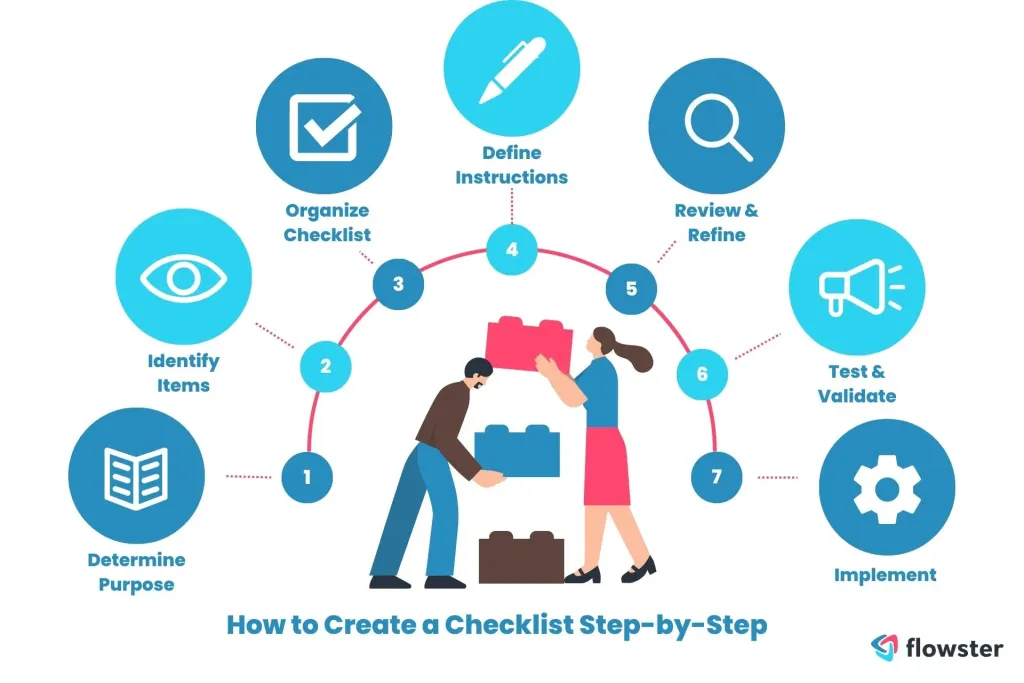
Selecting a platform that truly lives up to the “easy to use” promise requires a systematic approach. Below is a practical checklist that guides you from initial research to final decision.
1. Identify Core Business Needs
Start by listing the most frequent tasks in your day‑to‑day operations. Do you spend a lot of time chasing late payments? Is maintenance coordination a bottleneck? Prioritize features that address these pain points. For example, if rent collection is a major concern, focus on software with robust automated payment reminders and multiple payment options.
2. Test the User Interface
Most vendors offer a free trial or a sandbox environment. Spend at least an hour navigating the dashboard, creating a mock lease, and generating a sample report. Pay attention to the clarity of icons, the logical flow of steps, and the presence of tooltips that explain functions without needing a manual.
3. Evaluate Integration Options
If you already use accounting software, verify that the property management system can integrate without manual data export. A seamless link to QuickBooks, for instance, can save hours of data entry each month. You can read more about integration considerations in our Accounts Payable Software Compatible with QuickBooks: A Complete Guide.
4. Consider Mobile Accessibility
Property managers are often on the move, inspecting units or meeting with tenants. A responsive mobile app that mirrors the desktop experience ensures you can approve work orders, approve lease extensions, or view financial snapshots from anywhere.
5. Review Security and Compliance
Data protection is non‑negotiable. Look for platforms that employ encryption at rest and in transit, support role‑based access controls, and maintain regular compliance audits. If you manage properties in multiple jurisdictions, the software should accommodate varying lease disclosure requirements.
6. Analyze Total Cost of Ownership
Beyond the subscription fee, factor in implementation costs, training expenses, and potential fees for premium integrations. Some vendors charge per unit, while others use flat‑rate pricing. A clear cost model helps you forecast ROI more accurately.
Implementation Tips for a Smooth Transition

Even the most intuitive software can stumble during the rollout phase if proper steps aren’t taken. Below are proven tactics to ensure a frictionless migration from legacy processes to a modern, easy to use property management platform.
Prepare Your Data
Before importing, clean up existing spreadsheets and documents. Remove duplicate tenant entries, verify lease start and end dates, and standardize expense categories. A tidy dataset reduces the likelihood of errors during the import wizard.
Start Small, Scale Gradually
Instead of moving every property at once, begin with a pilot group—perhaps a single building or a set of units. This approach allows you to fine‑tune workflows, gather feedback, and address any quirks before a full‑scale launch.
Train the Team with Real‑World Scenarios
Hands‑on training beats theoretical lessons. Walk team members through common scenarios such as posting a rent payment, creating a maintenance ticket, and generating a quarterly financial report. Encourage them to ask questions and practice until the actions become second nature.
Leverage Vendor Support
Most reputable vendors provide onboarding assistance, video tutorials, and dedicated support channels. Take advantage of these resources, especially during the first few weeks after go‑live.
Monitor Adoption Metrics
Track usage statistics within the platform—login frequency, number of tickets resolved, and reports generated. Low engagement may signal usability issues that need addressing, such as unclear navigation or missing documentation.
Future‑Proofing Your Property Management Strategy
Technology evolves rapidly, and today’s “easy to use” system should remain relevant for years to come. Here are considerations that help you stay ahead of the curve.
Scalability
Choose a platform that can grow with your portfolio. Whether you add ten units or a thousand, the software should handle increased data volume without performance degradation.
Artificial Intelligence and Automation
Emerging AI tools can predict rent trends, flag high‑risk tenants, and even schedule preventive maintenance based on usage patterns. While not essential at the outset, a solution that offers an API for future AI integrations positions you for advanced automation later.
Community and Marketplace Extensions
Some property management platforms host an ecosystem of third‑party apps—ranging from tenant screening services to energy‑usage analytics. Access to a marketplace enables you to customize the system without extensive in‑house development.
Regulatory Updates
Housing laws and tax codes change regularly. An agile software provider will release updates that keep you compliant without requiring manual patches. Ensure your contract includes provisions for timely regulatory updates.
Incorporating these forward‑looking elements ensures that the easy to use property management software you adopt today will continue to deliver value as your business evolves.
Overall, the journey from manual processes to an integrated, user‑friendly platform is a strategic investment. By focusing on core functionalities, conducting thorough testing, and planning for future needs, property managers can unlock efficiency gains that translate into higher profitability and better tenant experiences. The market offers numerous options, but the ones that truly stand out are those that combine simplicity with robust feature sets, allowing you to manage properties with confidence and ease.