Table of Contents
The real estate industry has undergone significant transformations in recent years, driven by technological advancements and changing consumer behaviors. One key aspect of this evolution is the integration of real estate CRM systems with MLS (Multiple Listing Service) data. This integration has revolutionized the way real estate agents and brokers manage their businesses, interact with clients, and stay ahead of the competition. In this article, we will delve into the world of real estate CRM with MLS integration, exploring its benefits, features, and best practices for implementation.
As the real estate market continues to grow and become more complex, agents and brokers need to leverage technology to streamline their operations, improve customer relationships, and increase their market share. A real estate CRM system is a powerful tool that helps agents manage their contacts, leads, and transactions in a centralized and organized manner. By integrating this system with MLS data, agents can access a vast repository of property listings, market trends, and other critical information that enables them to make informed decisions and provide better services to their clients. For instance, a real estate agent can use a CRM system to track their clients’ preferences and match them with suitable properties listed on the MLS, thereby increasing the chances of closing a deal. Additionally, agents can use the CRM system to manage their marketing campaigns, track their website traffic, and analyze their sales performance, all of which are essential for success in the competitive real estate industry.
The benefits of real estate CRM with MLS integration are numerous and well-documented. For example, it enables agents to access real-time market data, automate routine tasks, and focus on high-value activities such as client engagement and deal-making. It also facilitates collaboration among team members, ensures data accuracy and consistency, and provides a single source of truth for all client interactions. Moreover, a real estate CRM system can help agents to stay organized, manage their time more effectively, and reduce the risk of errors and omissions, which are common pitfalls in the real estate industry. In fact, having the right insurance coverage, such as Real Estate Agent E&O Insurance, can provide agents with peace of mind and protect them against potential liabilities.
Key Features of Real Estate CRM with MLS Integration
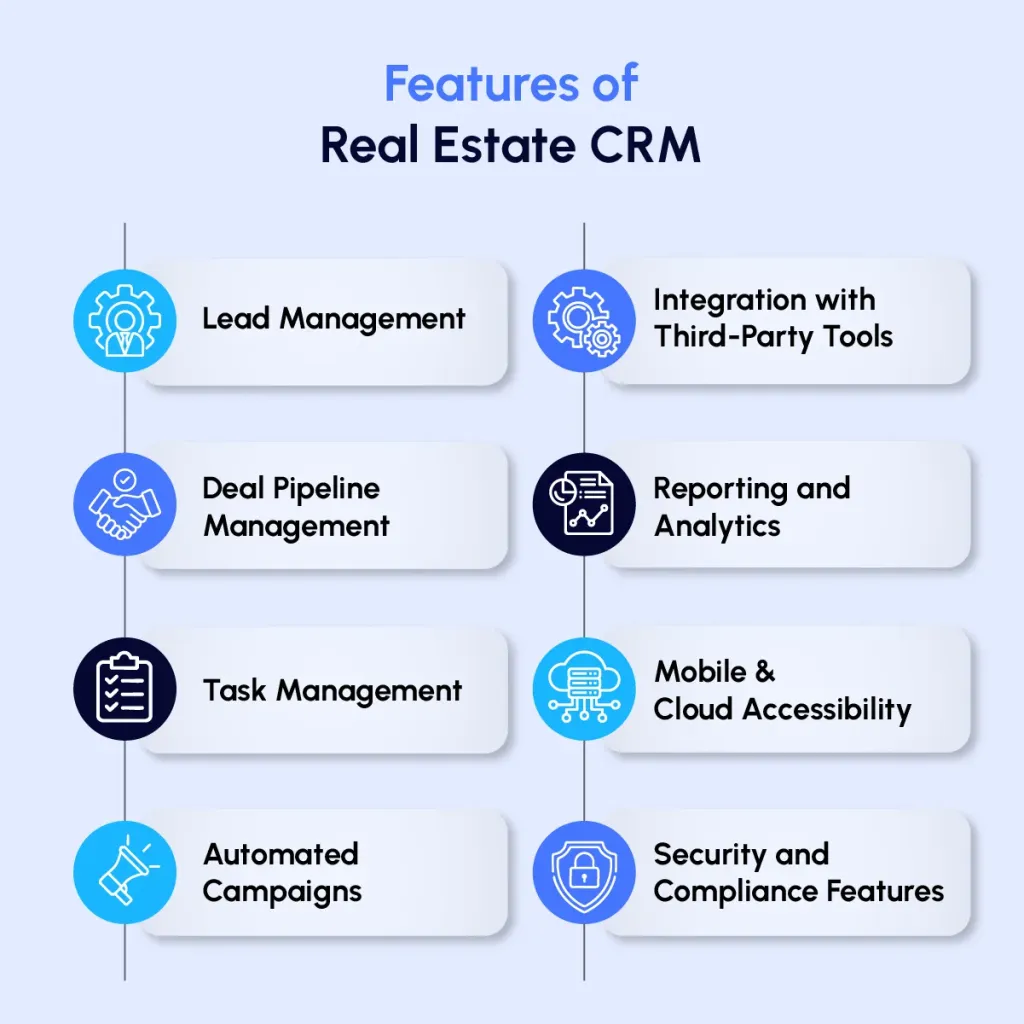
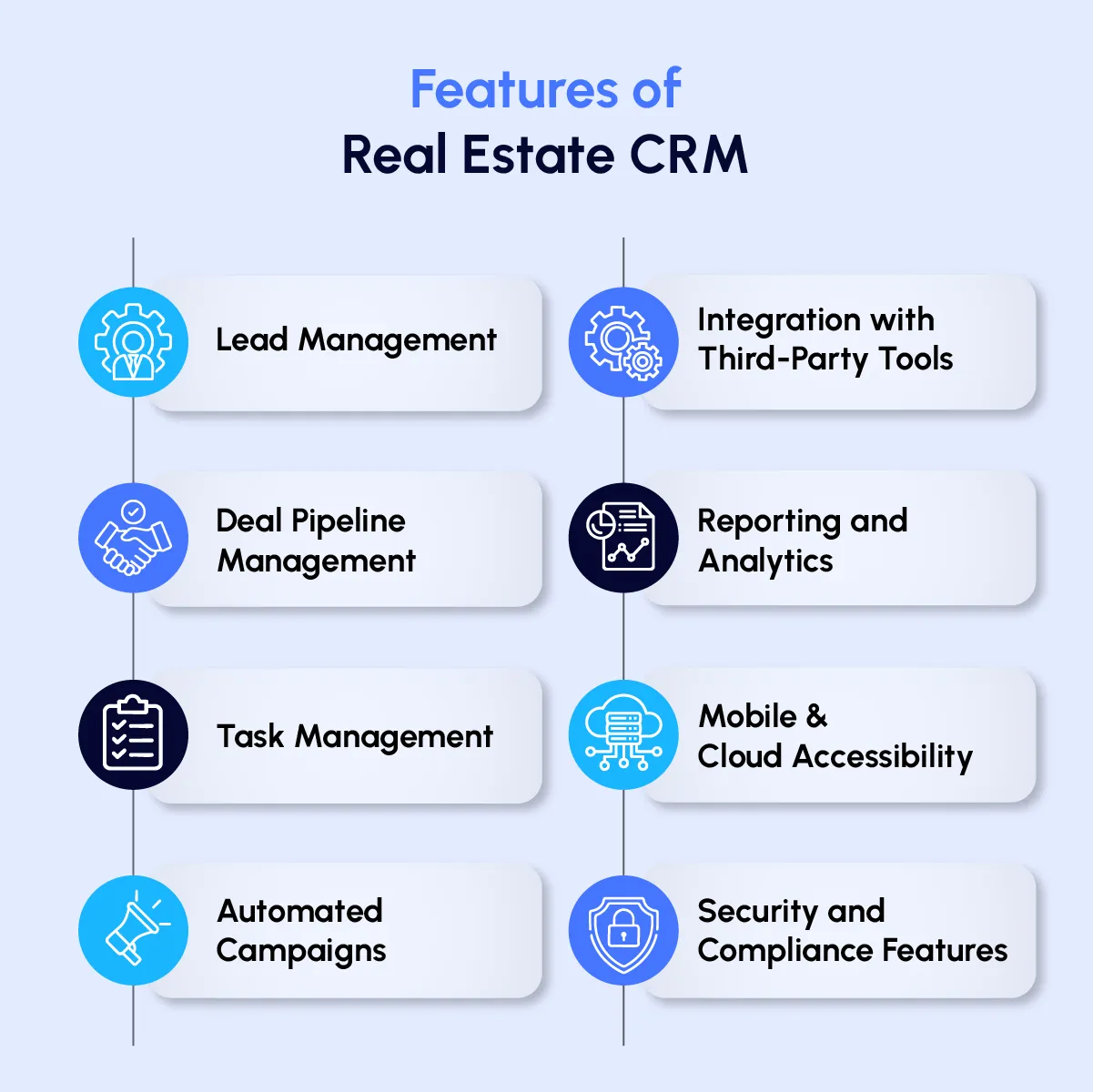
A robust real estate CRM system with MLS integration should possess certain key features that enable agents to maximize their productivity and efficiency. These features include:
*
MLS Data Integration
MLS data integration is the backbone of any real estate CRM system. It allows agents to access a vast repository of property listings, market trends, and other critical information that enables them to make informed decisions and provide better services to their clients. With MLS data integration, agents can search for properties, view listings, and even create custom reports to analyze market trends and identify opportunities.
*
Contact Management
Contact management is another essential feature of a real estate CRM system. It enables agents to store and manage contact information, interactions, and preferences in a centralized and organized manner. With contact management, agents can track their clients’ activities, respond to inquiries, and even automate routine communications such as email campaigns and newsletters.
*
Lead Management
Lead management is a critical component of any real estate CRM system. It enables agents to capture, track, and nurture leads from various sources, including website inquiries, social media, and referrals. With lead management, agents can assign leads to team members, track their progress, and even automate follow-up communications to ensure that no lead falls through the cracks.
*
Transaction Management
Transaction management is a vital feature of a real estate CRM system. It enables agents to manage transactions from start to finish, including contract negotiations, inspections, and closings. With transaction management, agents can track their transactions, view progress reports, and even automate routine tasks such as document preparation and communication with clients.
In addition to these features, a real estate CRM system with MLS integration should also provide agents with tools for marketing, reporting, and analytics. For instance, agents can use the system to create targeted marketing campaigns, track their website traffic, and analyze their sales performance. They can also use the system to generate reports on market trends, sales activity, and client engagement, all of which are essential for making informed decisions and staying ahead of the competition. Furthermore, agents can use the system to integrate with other tools and services, such as Accounting Software for Real Estate Management, to streamline their operations and improve their overall efficiency.
The implementation of a real estate CRM system with MLS integration requires careful planning and execution. Agents should start by defining their business goals and objectives, identifying their target audience, and selecting a CRM system that meets their needs. They should also develop a comprehensive training program to ensure that all team members are familiar with the system and its features. Moreover, agents should establish clear workflows and processes for managing contacts, leads, and transactions, and they should continuously monitor and evaluate the system’s performance to identify areas for improvement. By following these best practices, agents can maximize the benefits of their real estate CRM system with MLS integration and achieve greater success in the competitive real estate industry.
As the real estate industry continues to evolve, the importance of real estate CRM with MLS integration will only continue to grow. Agents who leverage this technology will be better equipped to manage their businesses, engage with clients, and stay ahead of the competition. In contrast, those who fail to adapt may find themselves struggling to keep up with the pace of change. Therefore, it is essential for agents to stay informed about the latest trends and developments in real estate CRM with MLS integration, and to continuously evaluate and improve their systems and processes to ensure that they remain competitive and successful in the long term. For example, agents can use Google Ads for Real Estate Agents to reach a wider audience and drive more traffic to their websites.
In conclusion, real estate CRM with MLS integration is a powerful tool that can help agents manage their businesses, engage with clients, and achieve greater success in the competitive real estate industry. By understanding the benefits, features, and best practices for implementation, agents can maximize the potential of this technology and stay ahead of the curve. Whether you are a seasoned agent or just starting out, a real estate CRM system with MLS integration is an essential investment that can help you achieve your goals and realize your full potential. Additionally, agents can also consider CRM for Commercial Real Estate Brokers to expand their services and cater to a wider range of clients.