Table of Contents
The world of commercial real estate is a complex and competitive field, where brokers must navigate a multitude of clients, properties, and transactions. To stay ahead of the curve, many commercial real estate brokers are turning to technology to streamline their operations and improve their relationships with clients. One key tool that has become essential for commercial real estate brokers is customer relationship management (CRM) software. In this article, we will explore the importance of CRM for commercial real estate brokers and how it can help them succeed in their field.
Commercial real estate brokers are responsible for managing a large network of contacts, including clients, property owners, and other industry professionals. They must also stay on top of multiple transactions, from initial inquiries to closing deals. Without a robust system in place, it can be easy to lose track of important details and relationships. This is where CRM software comes in – by providing a centralized platform for managing contacts, transactions, and communications, CRM helps commercial real estate brokers to stay organized and focused on their goals.
Benefits of CRM for Commercial Real Estate Brokers
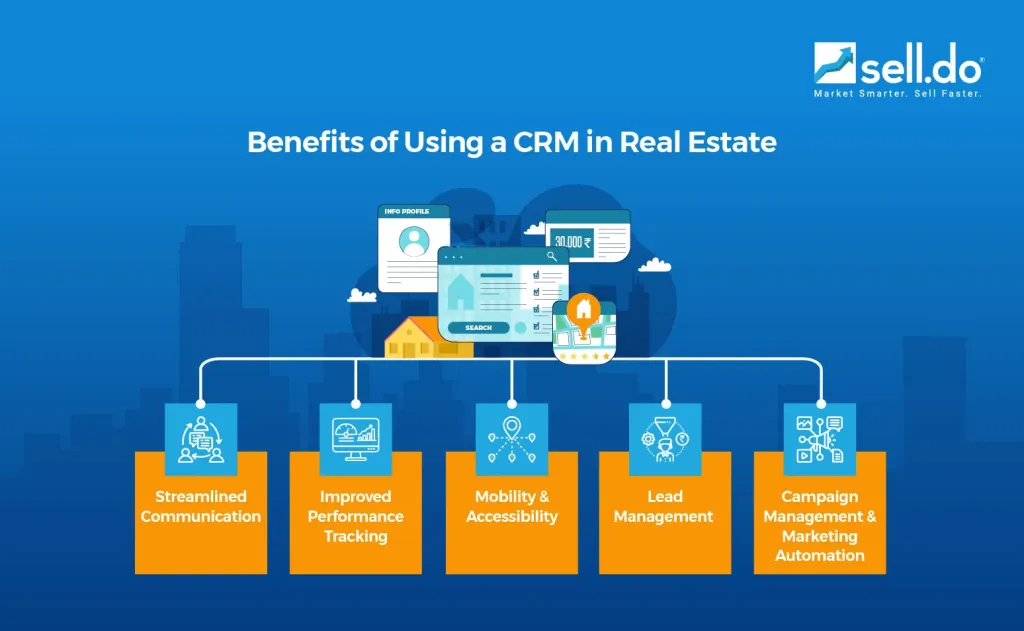
The benefits of CRM for commercial real estate brokers are numerous. For one, CRM software helps brokers to build stronger relationships with their clients by providing a comprehensive view of their interactions and preferences. This allows brokers to tailor their services to meet the specific needs of each client, leading to higher satisfaction and loyalty. Additionally, CRM software can help brokers to identify new business opportunities and stay on top of market trends, giving them a competitive edge in the industry.
Streamlining Operations with CRM
One of the key ways that CRM software can benefit commercial real estate brokers is by streamlining their operations. By automating routine tasks and providing a centralized platform for managing data, CRM software can help brokers to save time and reduce errors. For example, CRM software can be used to automate email marketing campaigns, track client interactions, and generate reports on sales performance. This allows brokers to focus on high-value activities, such as building relationships with clients and closing deals.
In addition to streamlining operations, CRM software can also help commercial real estate brokers to improve their sales performance. By providing a comprehensive view of the sales pipeline, CRM software can help brokers to identify areas where they need to improve and make data-driven decisions about their sales strategy. For example, CRM software can be used to track the progress of leads, identify bottlenecks in the sales process, and analyze the effectiveness of different marketing campaigns. This allows brokers to refine their sales approach and close more deals.
It’s also important for commercial real estate brokers to consider e & o insurance for real estate brokers to protect themselves from potential errors and omissions. This type of insurance can provide financial protection in case a broker is sued for negligence or other errors.
Key Features of CRM for Commercial Real Estate Brokers
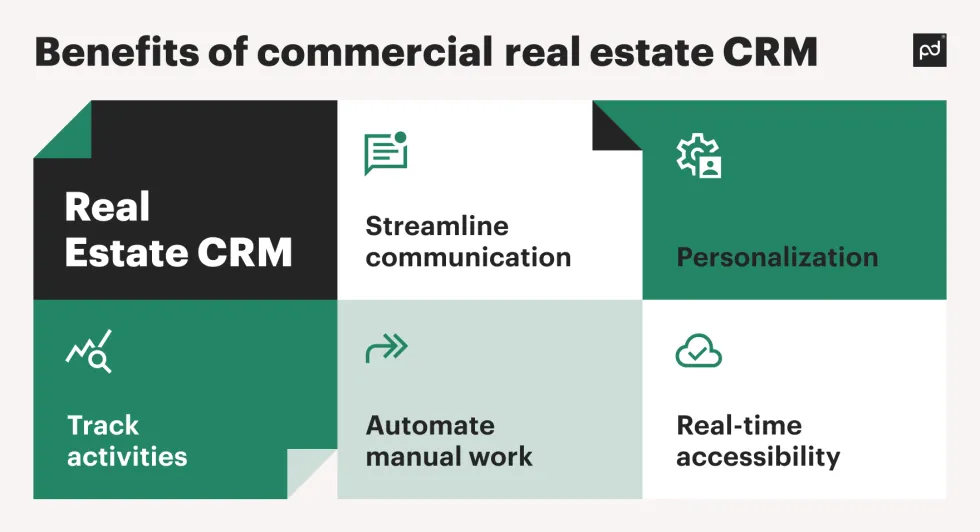
So what are the key features that commercial real estate brokers should look for in a CRM system? First and foremost, the system should be easy to use and intuitive, with a user-friendly interface that allows brokers to quickly access the information they need. The system should also be highly customizable, allowing brokers to tailor it to their specific needs and workflows. Additionally, the system should provide a comprehensive view of the sales pipeline, including lead tracking, contact management, and sales performance reporting.
Another key feature of CRM for commercial real estate brokers is integration with other tools and systems. For example, the CRM system should be able to integrate with email marketing software, social media platforms, and other marketing tools, allowing brokers to streamline their marketing efforts and track the effectiveness of their campaigns. The system should also be able to integrate with accounting and financial software, allowing brokers to track their financial performance and make data-driven decisions about their business.
Choosing the Right CRM System
With so many CRM systems on the market, it can be difficult for commercial real estate brokers to choose the right one for their needs. One key consideration is the size and complexity of the brokerage. For smaller brokerages, a simple and intuitive CRM system may be sufficient, while larger brokerages may require a more robust and feature-rich system. Another key consideration is the level of customization and support provided by the CRM vendor. Brokers should look for a vendor that provides comprehensive training and support, as well as a high level of customization and flexibility.
In addition to considering the features and functionality of the CRM system, commercial real estate brokers should also consider the cost and return on investment. While CRM software can be a significant investment, it can also provide a strong return on investment by helping brokers to close more deals and build stronger relationships with their clients. For more information on how to choose the right CRM system, brokers can also consider reading about errors and omissions insurance for real estate brokers and how it can help protect their business.
In conclusion, CRM software is an essential tool for commercial real estate brokers, providing a centralized platform for managing contacts, transactions, and communications. By streamlining operations, improving sales performance, and providing a comprehensive view of the sales pipeline, CRM software can help brokers to build stronger relationships with their clients and close more deals. As the commercial real estate industry continues to evolve and become more competitive, the importance of CRM software will only continue to grow. By investing in a robust and feature-rich CRM system, commercial real estate brokers can stay ahead of the curve and achieve their business goals.