Table of Contents
The real estate industry is a complex and multifaceted field that requires efficient management of various aspects, including financial transactions, property listings, and client relationships. In recent years, the use of technology has become increasingly prevalent in the industry, with many real estate companies and agents turning to specialized software to streamline their operations. One crucial aspect of real estate management is accounting, which involves the management of financial transactions, budgeting, and financial reporting. In this context, the use of accounting software for real estate management has become essential for companies and agents seeking to optimize their financial management processes.
The adoption of accounting software for real estate management has numerous benefits, including improved accuracy, increased efficiency, and enhanced financial control. By automating many of the manual tasks associated with accounting, such as data entry and transaction processing, real estate companies and agents can free up valuable time and resources to focus on more strategic aspects of their business. Additionally, accounting software can provide real-time financial insights and analytics, enabling companies and agents to make informed decisions and respond quickly to changes in the market.
The use of accounting software for real estate management is also closely linked to other aspects of real estate operations, such as customer relationship management (CRM) and marketing. For example, a CRM system can help real estate agents to manage their interactions with clients and prospects, while also providing valuable insights into client behavior and preferences. Similarly, marketing software can help real estate companies to promote their properties and services to a wider audience, while also tracking the effectiveness of their marketing campaigns. By integrating accounting software with these other systems, real estate companies and agents can gain a more comprehensive understanding of their business and make more informed decisions.
Benefits of Accounting Software for Real Estate Management
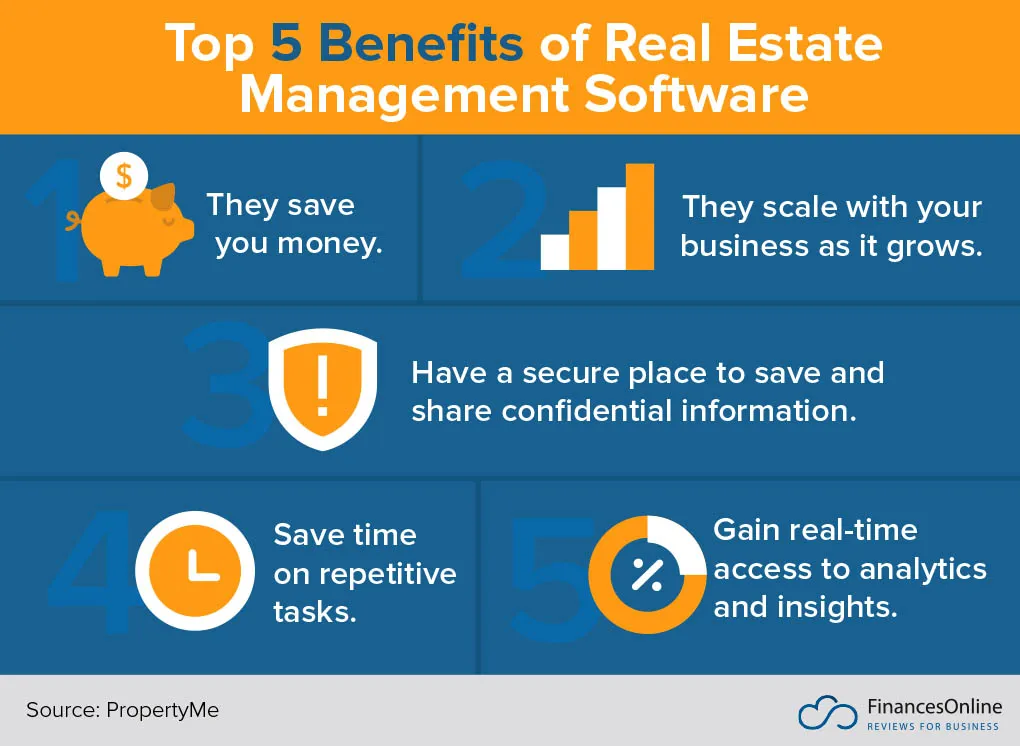
The benefits of using accounting software for real estate management are numerous and well-documented. Some of the key advantages include improved financial accuracy, increased efficiency, and enhanced financial control. By automating many of the manual tasks associated with accounting, real estate companies and agents can reduce the risk of errors and discrepancies, while also freeing up valuable time and resources to focus on more strategic aspects of their business. Additionally, accounting software can provide real-time financial insights and analytics, enabling companies and agents to make informed decisions and respond quickly to changes in the market.
Streamlining Financial Transactions
One of the primary benefits of accounting software for real estate management is the ability to streamline financial transactions. By automating tasks such as invoicing, payment processing, and accounts payable, real estate companies and agents can reduce the administrative burden associated with financial management. This can help to improve cash flow, reduce the risk of late payments, and enhance overall financial performance. For instance, real estate agents can utilize Google Ads to reach a wider audience and generate more leads, which can then be managed using accounting software.
Enhancing Financial Reporting and Analytics
Another key benefit of accounting software for real estate management is the ability to enhance financial reporting and analytics. By providing real-time financial insights and analytics, accounting software can help real estate companies and agents to make informed decisions and respond quickly to changes in the market. This can include tracking key performance indicators (KPIs) such as revenue, expenses, and cash flow, as well as analyzing trends and patterns in financial data. For example, real estate brokers can use a CRM system to manage their client relationships and track their sales performance, which can then be integrated with accounting software to provide a more comprehensive view of their business.
The use of accounting software for real estate management is also closely linked to risk management and compliance. For instance, real estate agents and brokers can protect themselves against potential errors and omissions by investing in E&O insurance, which can provide financial protection in the event of a claim. By integrating accounting software with E&O insurance, real estate companies and agents can gain a more comprehensive understanding of their risk profile and make more informed decisions about their business.
In conclusion, the use of accounting software for real estate management is essential for companies and agents seeking to optimize their financial management processes. By providing improved accuracy, increased efficiency, and enhanced financial control, accounting software can help real estate companies and agents to make informed decisions and respond quickly to changes in the market. As the real estate industry continues to evolve and become increasingly complex, the use of accounting software for real estate management is likely to become even more prevalent, enabling companies and agents to stay ahead of the curve and achieve their business goals.
[LINKS]: Benefits of Google Ads for Real Estate Agents, CRM for Commercial Real Estate Brokers, E&O Insurance for Real Estate Brokers