Table of Contents
- Key Features of Performance Management Software for Small Companies
- Why Performance Management Software for Small Companies Differs from Enterprise Solutions
- Benefits That Matter Most to Small Teams
- Improved Goal Clarity and Alignment
- Consistent and Fair Evaluations
- Enhanced Employee Engagement
- Data‑Driven Decision Making
- Time Savings for Managers
- Choosing the Right Solution: A Step‑by‑Step Approach
- Implementation Tips for Small Companies
- Real‑World Example: A Small Tech Startup
- Potential Challenges and How to Overcome Them
- Resistance to Change
- Data Security Concerns
- Limited HR Expertise
- Future Trends in Performance Management for Small Companies
Running a small company often means wearing many hats at once. The owner might be juggling sales, finance, and operations while also trying to keep the team motivated and on track. In such environments, clear performance expectations and regular feedback become critical, yet they are easy to overlook amid the daily hustle. That’s where performance management software for small companies steps in, offering a structured yet flexible framework to align individual contributions with business goals.
Unlike large enterprises that can afford bespoke HR suites, small businesses need tools that are affordable, intuitive, and quick to implement. They also require solutions that grow with the company, supporting everything from goal setting and continuous feedback to formal performance reviews and development plans. By adopting the right platform, a small firm can transform a chaotic process into a transparent, data‑driven system that drives both employee engagement and bottom‑line results.
In the following sections, we’ll explore the essential features to look for, the benefits that matter most to small teams, and practical steps to choose and roll out the ideal performance management software for small companies.
Key Features of Performance Management Software for Small Companies
When evaluating a solution, focus on capabilities that directly address the constraints and objectives of a modestly sized organization. Below are the core functionalities that should be present:
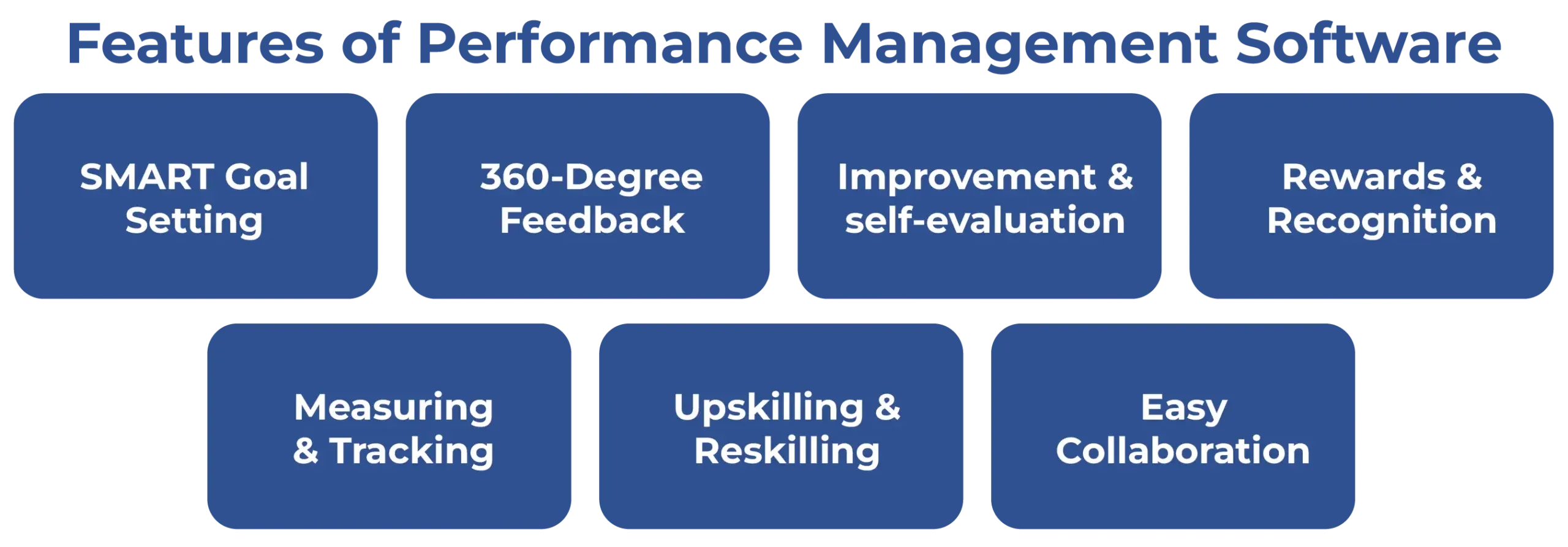
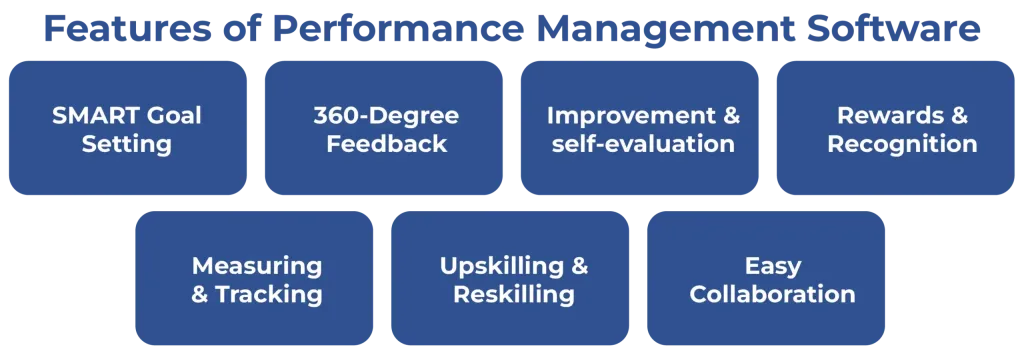
- Goal Setting and Alignment: Simple tools for creating, tracking, and cascading objectives from the company level down to individual contributors.
- Continuous Feedback: Real‑time comments, peer recognitions, and manager check‑ins that keep communication flowing without waiting for annual reviews.
- Performance Reviews: Templates that can be customized for quarterly or annual assessments, including rating scales, competency frameworks, and self‑evaluations.
- Development Planning: Actionable development plans, training recommendations, and progress tracking to nurture employee growth.
- Analytics & Reporting: Dashboards that visualize performance trends, identify high‑potential talent, and highlight areas needing improvement.
- Integration Capability: Ability to sync with payroll, time‑tracking, and HRIS platforms—especially useful when you already use a simple payroll software for small business.
- Mobile Access: Apps or responsive designs so managers and employees can interact with the system from any device.
Why Performance Management Software for Small Companies Differs from Enterprise Solutions
Enterprise‑grade platforms often come with extensive customization options, complex licensing structures, and steep learning curves. For a small business, those same features can become obstacles rather than assets. Performance management software for small companies prioritizes ease of use, transparent pricing, and rapid deployment. The focus shifts from exhaustive configurability to delivering immediate, measurable impact without overwhelming limited HR resources.
Benefits That Matter Most to Small Teams
Implementing performance management software for small companies can unlock several tangible advantages that directly support growth and sustainability.
Improved Goal Clarity and Alignment
When every employee understands how their daily tasks contribute to broader objectives, motivation rises and effort becomes more focused. The software makes it simple to cascade strategic goals, ensuring that each team member’s targets are visible and measurable.
Consistent and Fair Evaluations
Small businesses often rely on informal feedback, which can lead to perceptions of bias. A structured system introduces standardized criteria and documentation, helping managers conduct fair, transparent assessments that are defensible and constructive.
Enhanced Employee Engagement
Regular recognition and feedback loops foster a culture of appreciation. Employees who receive timely acknowledgment are more likely to stay engaged, reducing turnover—a critical factor for companies where each hire carries significant weight.
Data‑Driven Decision Making
Analytics embedded in performance management software for small companies provide insights into productivity patterns, skill gaps, and succession potentials. Leaders can base promotions, salary adjustments, and training investments on objective data rather than gut feeling.
Time Savings for Managers
Automated workflows streamline the review process, eliminating redundant paperwork and freeing managers to focus on coaching rather than administrative tasks. This efficiency is especially valuable when leadership teams are already stretched thin.
Choosing the Right Solution: A Step‑by‑Step Approach
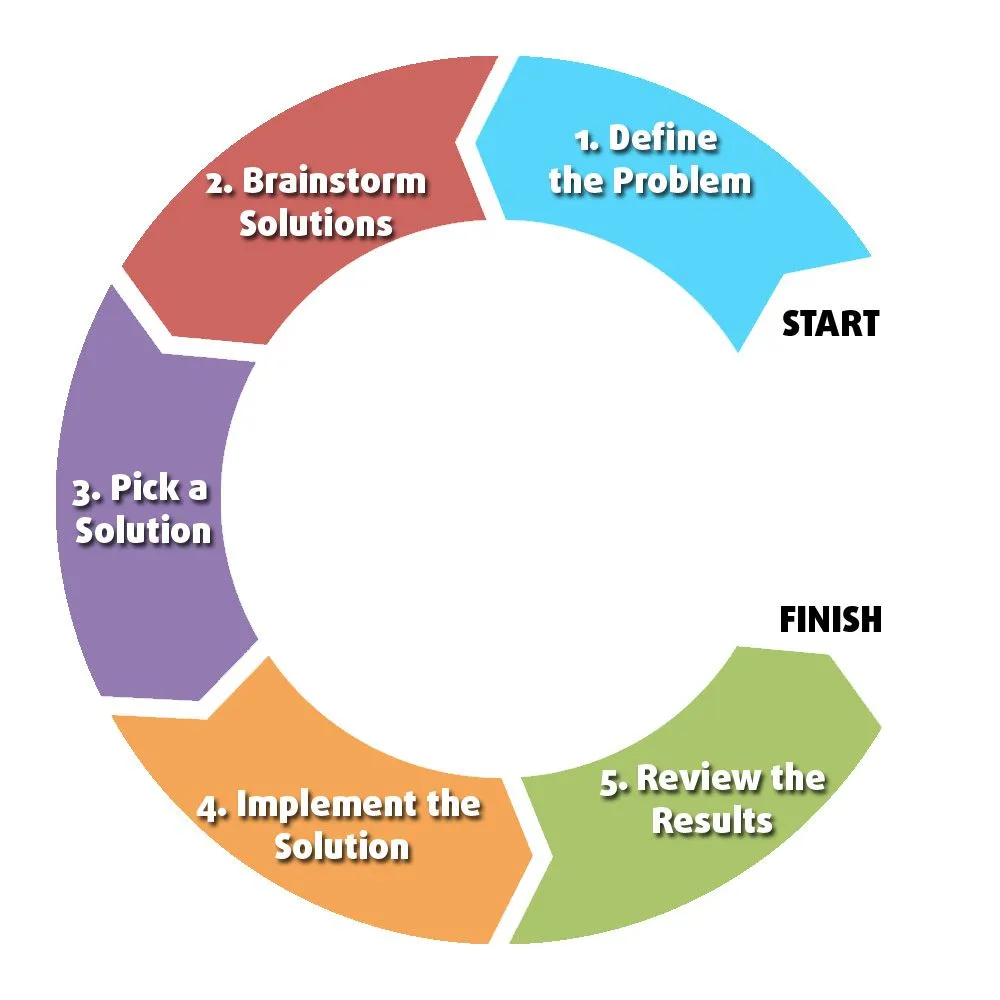
Finding the perfect fit requires a systematic evaluation. Follow these steps to ensure the chosen platform aligns with your business needs and budget.
- Assess Your Current Process: Map out how performance is currently managed. Identify pain points such as missed deadlines, inconsistent feedback, or lack of documentation.
- Define Core Requirements: Prioritize the features listed earlier based on your assessment. For example, if continuous feedback is a major gap, ensure the software excels in that area.
- Set a Realistic Budget: Many vendors offer tiered pricing based on employee count. Look for transparent, subscription‑based models that avoid hidden fees.
- Request Demos and Trials: Hands‑on experience helps gauge usability. Involve both managers and a few employees in the trial to get diverse perspectives.
- Check Integration Options: Verify that the solution can connect with existing tools like accounting, payroll, or project management software. Seamless integration reduces duplicate data entry.
- Read Customer Reviews: Look for feedback from other small companies. Pay attention to comments about implementation support and customer service.
- Plan the Rollout: Develop a phased implementation plan—start with a pilot group, gather feedback, then expand company‑wide.
Implementation Tips for Small Companies
Even the most user‑friendly platform can stumble without proper change management. Consider these practical tips:
- Leadership Buy‑In: Ensure owners and senior managers champion the system, modeling regular usage and feedback.
- Training Sessions: Conduct short, focused workshops that walk users through goal entry, feedback submission, and review navigation.
- Clear Communication: Explain why the new system is being introduced, emphasizing benefits like fairness, growth opportunities, and reduced paperwork.
- Feedback Loop on the Tool: After the first review cycle, solicit input on usability and make adjustments before full deployment.
Real‑World Example: A Small Tech Startup

Consider a tech startup with 15 employees. Initially, performance discussions occurred ad‑hoc, leading to confusion over promotion criteria. After adopting a lightweight performance management software for small companies, the team established quarterly OKRs (Objectives and Key Results), enabled peer‑to‑peer recognitions, and generated a simple dashboard that highlighted top performers and skill gaps.
Within six months, the startup reported a 20% increase in goal completion rates and a noticeable drop in turnover. The analytics also revealed that the sales team needed additional training on product knowledge, prompting a targeted learning plan that further boosted revenue. This case illustrates how a modest investment in the right tool can produce measurable improvements without overwhelming limited resources.
Potential Challenges and How to Overcome Them
While performance management software for small companies offers many advantages, small organizations may encounter hurdles during adoption.
Resistance to Change
Employees accustomed to informal feedback might view the new system as bureaucratic. Mitigate this by highlighting how the platform simplifies rather than complicates communication, and by celebrating early wins—such as a quick peer recognition that leads to a tangible reward.
Data Security Concerns
Even small firms handle sensitive employee information. Choose a vendor that provides encryption, regular backups, and compliance with relevant regulations (e.g., GDPR, CCPA). Review their security certifications before signing.
Limited HR Expertise
Without a dedicated HR department, configuring competency frameworks can be daunting. Opt for solutions that offer pre‑built templates tailored to small businesses, and leverage vendor support during the setup phase.
Future Trends in Performance Management for Small Companies
Technology continues to evolve, and performance management tools are no exception. Emerging trends that small businesses should monitor include:
- AI‑Driven Insights: Predictive analytics that flag potential disengagement or identify high‑potential talent before formal reviews.
- Continuous Performance Management: Shift from periodic reviews to an ongoing cycle of goal adjustment, feedback, and coaching, supported by real‑time data.
- Integration with Learning Management Systems (LMS): Seamless linkage between performance gaps and personalized training modules.
- Gamification Elements: Badges, leaderboards, and milestones that motivate employees through friendly competition.
Staying aware of these developments ensures that small companies can upgrade their processes without massive overhauls, maintaining a competitive edge as they scale.
In summary, selecting the right performance management software for small companies can be a decisive factor in building a high‑performing, engaged workforce. By focusing on essential features, aligning the tool with business objectives, and managing change thoughtfully, even the smallest organizations can reap the benefits of structured performance practices. As the market continues to innovate, small firms that adopt these solutions early will be well positioned to grow sustainably, retain top talent, and drive measurable results.