Table of Contents
- how to adopt a retired K9 dog: The Essential First Steps
- Assessing Your Lifestyle and Commitment
- Understanding the Dog’s Service Background
- how to adopt a retired K9 dog: Navigating the Adoption Process
- Contact the Appropriate Agency
- Complete Required Paperwork
- Financial Preparation
- how to adopt a retired K9 dog: Preparing Your Home
- Secure Fencing and Safe Zones
- Designated Rest Areas
- Gradual Introduction to Family Members and Other Pets
- how to adopt a retired K9 dog: Post‑Adoption Care and Ongoing Support
- Veterinary Health Management
- Behavioral Reinforcement and Training
- Physical Exercise and Mental Stimulation
- Community Resources and Support Networks
- Practical Tips for a Successful Adoption Journey
- Checklists for Preparation
- Common Challenges and Solutions
- Long‑Term Commitment
Every year, countless K9 units finish their official service and transition into civilian life. These dogs have spent months, sometimes years, working alongside law‑enforcement officers, performing tasks that range from narcotics detection to suspect apprehension. When their service ends, they deserve a calm, loving environment where they can enjoy the retirement they’ve earned.
Adopting a retired K9 dog is not only an act of compassion; it is also a commitment that requires careful preparation. Prospective adopters must understand the unique background of a police dog, anticipate potential behavioral quirks, and navigate the administrative process that safeguards both the animal’s welfare and public safety.
This article provides a thorough, step‑by‑step roadmap for anyone wondering how to adopt a retired K9 dog. By following the guidance below, you will be equipped to make an informed decision, create a smooth transition for the dog, and build a lasting partnership built on trust.
how to adopt a retired K9 dog: The Essential First Steps
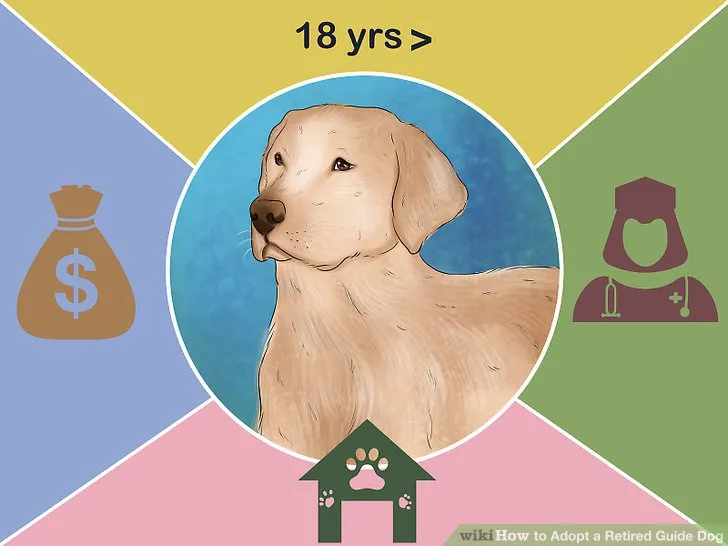
The journey begins long before the paperwork is signed. Understanding the dog’s history and evaluating your own readiness are critical foundations.
Assessing Your Lifestyle and Commitment
- Time investment: Retired K9s may need extra training, regular exercise, and frequent veterinary check‑ups.
- Space requirements: Most K9s thrive in homes with a secure yard where they can run safely.
- Financial considerations: Expect ongoing costs for high‑quality food, grooming, and possible specialty medical care.
When you can realistically meet these needs, you are better positioned to answer how to adopt a retired K9 dog with confidence.
Understanding the Dog’s Service Background
Police dogs typically undergo rigorous training that shapes their instincts. Some common traits include:
- High alertness: They remain vigilant and may react sharply to unfamiliar noises.
- Protective behavior: A strong bond with their former handler can translate into protective instincts toward new family members.
- Specialized skills: Dogs trained for detection may still exhibit “search” behaviors, such as sniffing extensively.
Recognizing these characteristics helps you tailor the adoption process and anticipate any additional training that may be required.
how to adopt a retired K9 dog: Navigating the Adoption Process
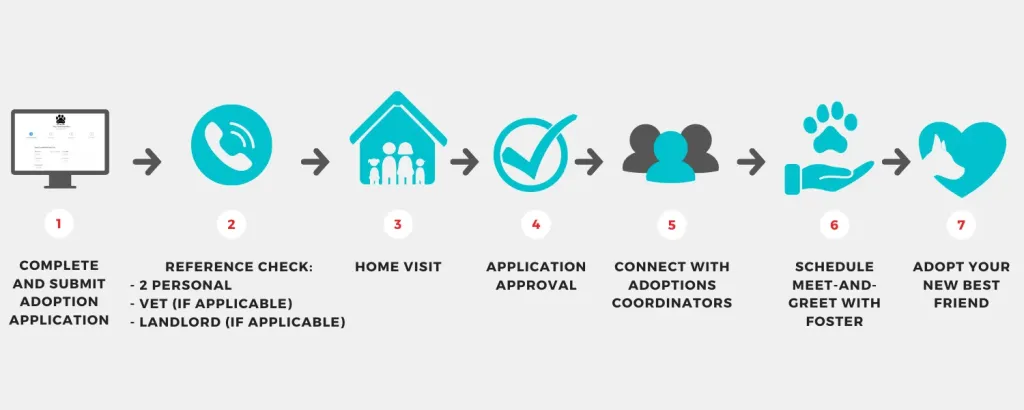
Each police department or K9 unit follows a set protocol for transitioning dogs out of service. While details differ, the core steps remain similar.
Contact the Appropriate Agency
Start by reaching out to the law‑enforcement agency that housed the K9. Most agencies have a dedicated K9 program coordinator who can provide:
- Eligibility criteria for adopters.
- A list of available dogs, including age, breed, and service history.
- Documentation requirements, such as background checks and home inspections.
Many agencies also partner with local animal shelters or rescue groups that act as intermediaries, simplifying the process for potential owners.
Complete Required Paperwork
The paperwork phase often includes:
- Adoption application: Detailed questions about your home, experience with dogs, and reasons for adopting.
- Background check: Agencies verify that adopters have no criminal history that could jeopardize public safety.
- Home assessment: A certified inspector evaluates fences, gates, and overall suitability.
Providing honest, thorough responses speeds up the approval and demonstrates that you have carefully considered how to adopt a retired K9 dog.
Financial Preparation
Adopting a retired K9 often involves an adoption fee that covers veterinary exams, spaying/neutering, and initial vaccinations. Additionally, you may need to budget for:
- Specialized training sessions with a certified behaviorist.
- Medical expenses related to age‑related conditions such as arthritis.
- High‑quality nutrition tailored to the dog’s activity level.
For a broader perspective on budgeting for retirement-related expenses, see this guide on retirement planning. Although the focus is financial, the principles of planning for long‑term commitments apply equally to caring for a retired service dog.
how to adopt a retired K9 dog: Preparing Your Home

A smooth transition hinges on a well‑prepared environment. Dogs leaving active duty can be sensitive to sudden changes, so a gradual introduction to their new surroundings is essential.
Secure Fencing and Safe Zones
Most K9s have been trained to stay within a defined perimeter. Ensure that any yard is:
- Fenced with a height of at least 6 feet.
- Free of gaps or loose boards that a curious dog could slip through.
- Equipped with a self‑locking gate that prevents the dog from opening it.
Designated Rest Areas
Retired K9s often appreciate a quiet, comfortable space where they can unwind after a day of activity. Consider providing:
- A plush dog bed placed in a low‑traffic corner.
- Access to cool water at all times.
- Soft lighting and minimal loud noises.
Gradual Introduction to Family Members and Other Pets
When introducing the dog to children or other animals, follow a structured plan:
- Start with short, supervised meetings in a neutral area.
- Reward calm behavior with treats and gentle praise.
- Gradually increase interaction time as confidence builds.
Patience during this stage directly influences how successfully you can answer how to adopt a retired K9 dog and create a harmonious household.
how to adopt a retired K9 dog: Post‑Adoption Care and Ongoing Support

The adoption process does not end once the paperwork is signed and the dog steps through the front door. Continuous care, training, and monitoring are vital for a retired K9’s well‑being.
Veterinary Health Management
Schedule a comprehensive veterinary exam within the first two weeks. Key health checks include:
- Orthopedic assessment for joint health, especially in older breeds like German Shepherds or Belgian Malinois.
- Dental cleaning to prevent periodontal disease.
- Blood work to screen for age‑related conditions such as kidney disease.
Regular follow‑up visits every six months help catch issues early and keep the dog comfortable throughout its retirement.
Behavioral Reinforcement and Training
Even after retirement, many K9s retain strong work ethics. Enrolling the dog in a positive‑reinforcement training class can:
- Redirect high‑energy behaviors into constructive activities.
- Teach “off‑lead” commands that enhance safety in public spaces.
- Strengthen the bond between you and the dog, reinforcing trust.
Professional trainers experienced with former service dogs understand the nuances of their training background and can tailor sessions accordingly.
Physical Exercise and Mental Stimulation
Retired K9s still require regular exercise, though the intensity can be moderated to match their age. A balanced routine might include:
- Two to three brisk walks each day, varying routes to maintain interest.
- Interactive puzzle toys that engage problem‑solving instincts.
- Gentle swimming sessions, which are low‑impact yet excellent for joint health.
Community Resources and Support Networks
Many regions host K9 rescue groups that offer ongoing support, from discounted veterinary services to group training workshops. Connecting with such communities provides:
- Access to experienced mentors who have adopted retired K9s.
- Opportunities to socialize your dog with other retired service animals.
- Information on specialized equipment, such as orthopedic beds.
For those interested in broader financial strategies that can support long‑term pet care, the financial preparation guide offers insight into budgeting and investment approaches that can be adapted for pet expenses.
Practical Tips for a Successful Adoption Journey
Summarizing the key actions can help streamline the process of answering how to adopt a retired K9 dog without feeling overwhelmed.
Checklists for Preparation
- Review the agency’s eligibility requirements and gather necessary documents.
- Inspect your home for safety, focusing on fencing, gates, and secure indoor spaces.
- Schedule an initial veterinary appointment within two weeks of adoption.
- Enroll in a positive‑reinforcement training class within the first month.
- Join a local K9 rescue or support group for ongoing advice.
Common Challenges and Solutions
| Challenge | Solution |
|---|---|
| Excessive alertness to noises | Gradual desensitization using controlled sound exposure and reward‑based calm responses. |
| Difficulty adjusting to civilian life | Consistent routine, clear boundaries, and patient reinforcement of new behaviors. |
| Age‑related health issues | Regular veterinary monitoring and joint‑support supplements as advised by a vet. |
Long‑Term Commitment
Retired K9s often live 8‑12 years after leaving service. Planning for their entire lifespan—including potential health declines—ensures you remain prepared to meet their needs throughout.
Adopting a retired K9 dog is a rewarding endeavor that blends compassion with responsibility. By following the detailed steps outlined above, you can navigate the process of how to adopt a retired K9 dog with clarity and confidence, offering a deserving veteran a peaceful, fulfilling retirement.