Table of Contents
Real estate crm and transaction management are crucial components of the real estate industry, as they enable agents and brokers to manage their clients, transactions, and data effectively. The use of real estate crm and transaction management systems has become increasingly popular in recent years, as they provide a range of benefits, including improved client communication, increased efficiency, and enhanced data analysis. In this article, we will explore the world of real estate crm and transaction management, including their importance, features, and benefits.
The real estate industry is a complex and competitive field, with numerous agents and brokers vying for clients and transactions. To succeed in this industry, it is essential to have a robust system in place for managing clients, transactions, and data. Real estate crm and transaction management systems provide a comprehensive solution for agents and brokers, enabling them to manage their clients, transactions, and data in a centralized and organized manner. These systems typically include a range of features, such as contact management, transaction tracking, and data analysis, which enable agents and brokers to stay on top of their business and make informed decisions.
One of the key benefits of real estate crm and transaction management systems is their ability to improve client communication. These systems enable agents and brokers to store client contact information, track client interactions, and send targeted marketing campaigns. This helps to build strong relationships with clients, which is essential for success in the real estate industry. Additionally, real estate crm and transaction management systems provide a range of tools for managing transactions, including transaction tracking, document management, and workflow automation. These tools help to streamline the transaction process, reducing the risk of errors and delays, and improving overall efficiency.
Another important benefit of real estate crm and transaction management systems is their ability to provide enhanced data analysis. These systems typically include a range of reporting and analytics tools, which enable agents and brokers to analyze their data and gain valuable insights into their business. This helps to identify trends and patterns, which can be used to inform business decisions and drive growth. For example, agents and brokers can use data analysis to identify their most profitable markets, track their marketing effectiveness, and optimize their sales strategies. By leveraging data analysis, agents and brokers can make informed decisions and stay ahead of the competition.
Real Estate CRM and Transaction Management: Key Features
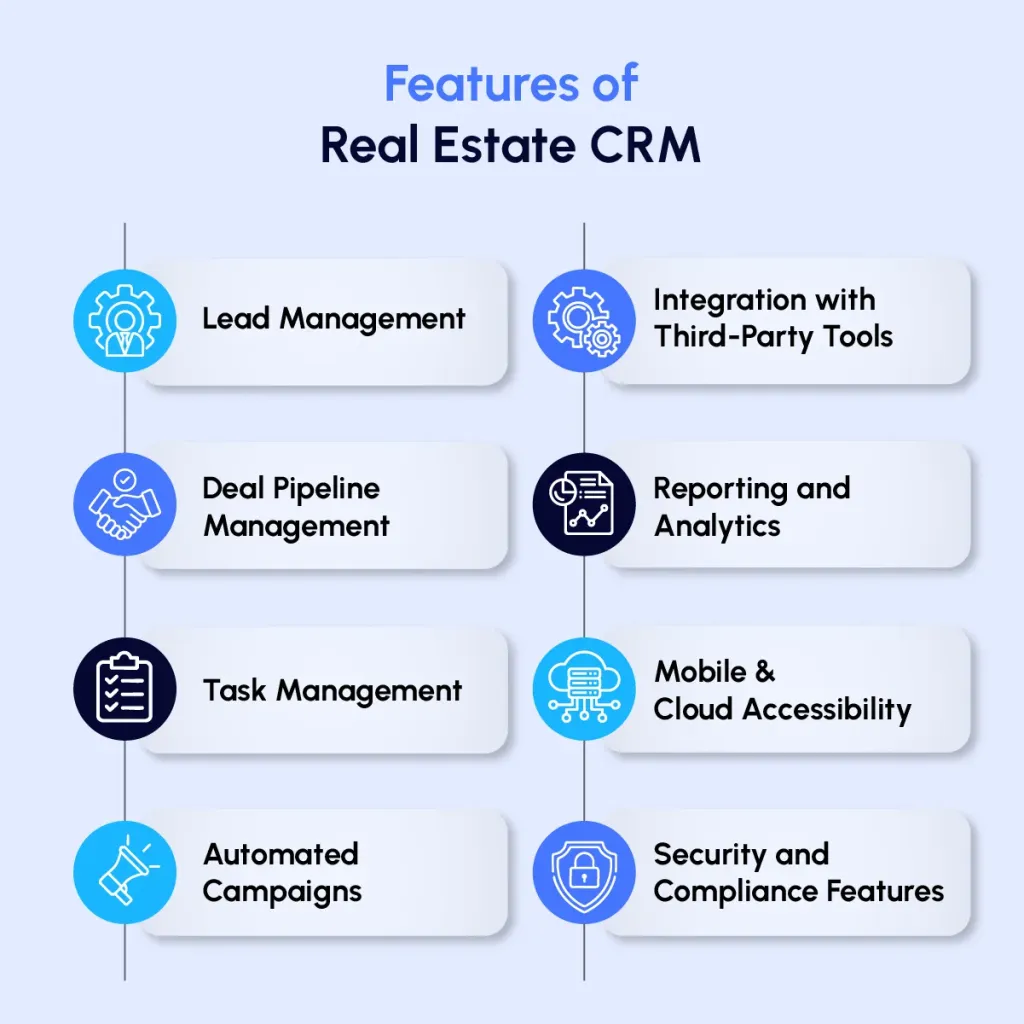
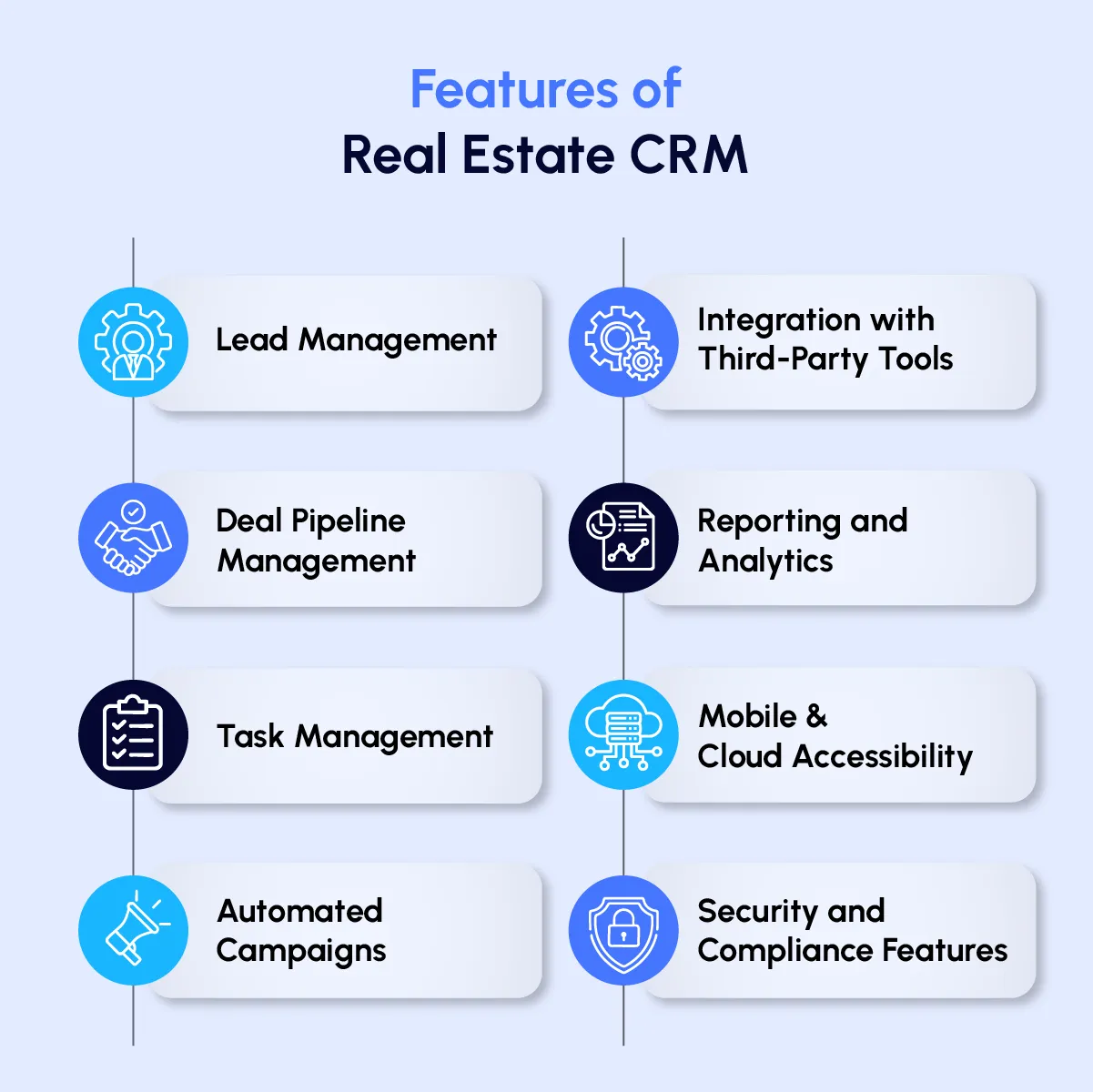
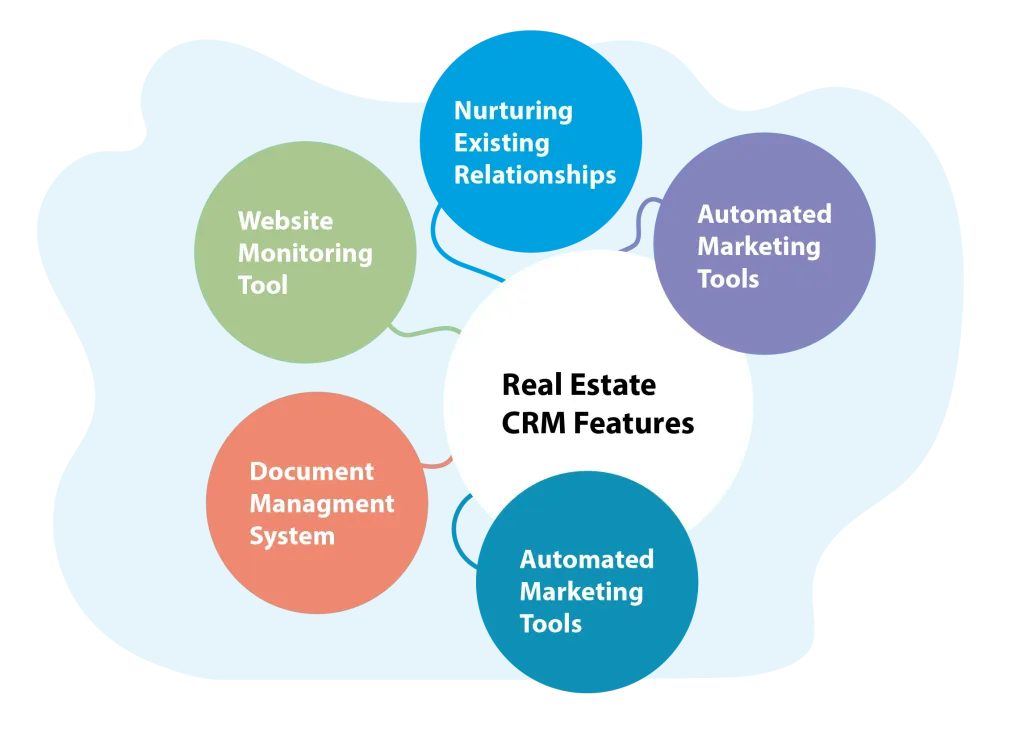
Real estate crm and transaction management systems typically include a range of features, which are designed to support the needs of agents and brokers. Some of the key features of these systems include:
* Contact management: This feature enables agents and brokers to store client contact information, track client interactions, and send targeted marketing campaigns.
* Transaction tracking: This feature enables agents and brokers to track transactions, including document management, workflow automation, and transaction status updates.
* Data analysis: This feature provides a range of reporting and analytics tools, which enable agents and brokers to analyze their data and gain valuable insights into their business.
* Marketing automation: This feature enables agents and brokers to automate their marketing campaigns, including email marketing, social media marketing, and lead generation.
* Integration: This feature enables agents and brokers to integrate their real estate crm and transaction management system with other tools and systems, such as accounting software, customer relationship management software, and marketing automation software.
Tips for Choosing a Real Estate CRM and Transaction Management System
Choosing the right real estate crm and transaction management system is crucial for success in the real estate industry. Here are some tips for choosing a system that meets your needs:
* Define your requirements: Before selecting a system, it is essential to define your requirements. Consider the features and functionality you need, as well as your budget and technical requirements.
* Research options: Research a range of options, including cloud-based systems, on-premise systems, and hybrid systems.
* Read reviews: Read reviews from other agents and brokers to get a sense of the pros and cons of each system.
* Evaluate support: Evaluate the level of support provided by each system, including training, documentation, and customer support.
* Consider integration: Consider the level of integration provided by each system, including integration with other tools and systems.
For example, if you are looking for a system that provides real estate crm with mls integration, you should consider systems that provide this feature. Additionally, if you are looking for a system that provides errors and omissions real estate insurance, you should consider systems that provide this feature.
Best Practices for Using Real Estate CRM and Transaction Management Systems
Using a real estate crm and transaction management system effectively requires a range of best practices. Here are some tips for getting the most out of your system:
* Use the system regularly: Regular use is essential for getting the most out of your system. Make sure to log in regularly and use the system to manage your clients, transactions, and data.
* Keep data up-to-date: Keeping your data up-to-date is crucial for ensuring the accuracy of your reports and analytics. Make sure to update your data regularly, including contact information, transaction status, and document management.
* Use automation: Automation is a key feature of many real estate crm and transaction management systems. Use automation to streamline your workflows, including marketing automation, document management, and transaction tracking.
* Monitor performance: Monitoring your performance is essential for identifying areas for improvement. Use the reporting and analytics tools provided by your system to monitor your performance and make data-driven decisions.
By following these best practices, agents and brokers can get the most out of their real estate crm and transaction management system and achieve success in the real estate industry. Additionally, agents and brokers can consider using accounting software for real estate brokers to manage their finances and stay organized.
In addition to using a real estate crm and transaction management system, agents and brokers can also consider donating real estate to charity as a way to give back to their community. By donating real estate to charity, agents and brokers can help support important causes and make a positive impact on their community.
In conclusion, real estate crm and transaction management are essential components of the real estate industry, enabling agents and brokers to manage their clients, transactions, and data effectively. By choosing the right system and following best practices, agents and brokers can get the most out of their system and achieve success in the real estate industry. Whether you are a seasoned agent or broker, or just starting out, a real estate crm and transaction management system is a valuable tool that can help you build strong relationships with your clients, streamline your workflows, and drive growth.