Table of Contents
As the real estate industry continues to evolve, the need for efficient and accurate accounting practices has become more crucial than ever. For real estate investors, managing financial transactions, tracking expenses, and staying compliant with tax regulations can be a daunting task. This is where accounting software for real estate investors comes into play. By utilizing specialized accounting software, investors can streamline their financial operations, reduce errors, and make informed decisions to drive their business forward. With the rise of digital technologies, the market for accounting software has expanded, offering a wide range of solutions tailored to the specific needs of real estate investors. Whether you are a seasoned investor or just starting out, finding the right accounting software can be a game-changer for your business.
The benefits of using accounting software for real estate investors are numerous. For one, it helps to automate many of the manual tasks associated with financial management, such as data entry, invoicing, and reconciliations. This not only saves time but also reduces the likelihood of human error, which can lead to costly mistakes and compliance issues. Additionally, accounting software provides real-time visibility into financial performance, enabling investors to monitor their cash flow, track expenses, and identify areas for improvement. This level of transparency is essential for making informed investment decisions and optimizing returns. Furthermore, accounting software can help investors stay organized and prepared for tax season, ensuring that all financial records are up-to-date and easily accessible.
For real estate agents looking to generate leads and grow their business, it’s essential to have a solid understanding of the financial aspects of the industry. This includes staying on top of market trends, understanding the needs of potential clients, and having the right tools in place to manage financial transactions. By visiting Free Leads for Real Estate Agents, agents can gain valuable insights into how to attract new clients and build a successful real estate business. Similarly, Lead Generation Websites for Real Estate Agents provides a wealth of information on how to create effective online platforms for generating leads and driving business growth.
Key Features of Accounting Software for Real Estate Investors
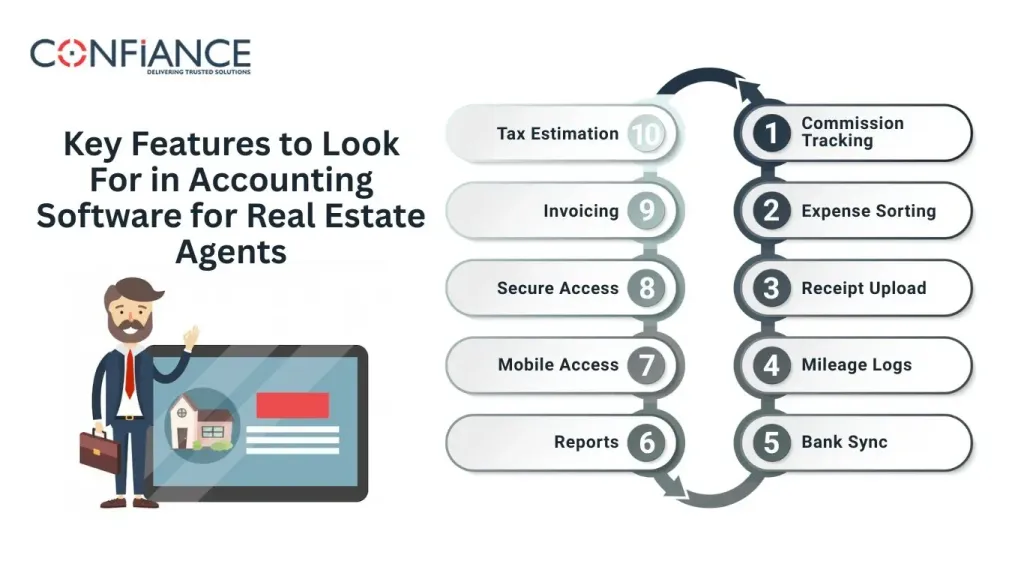
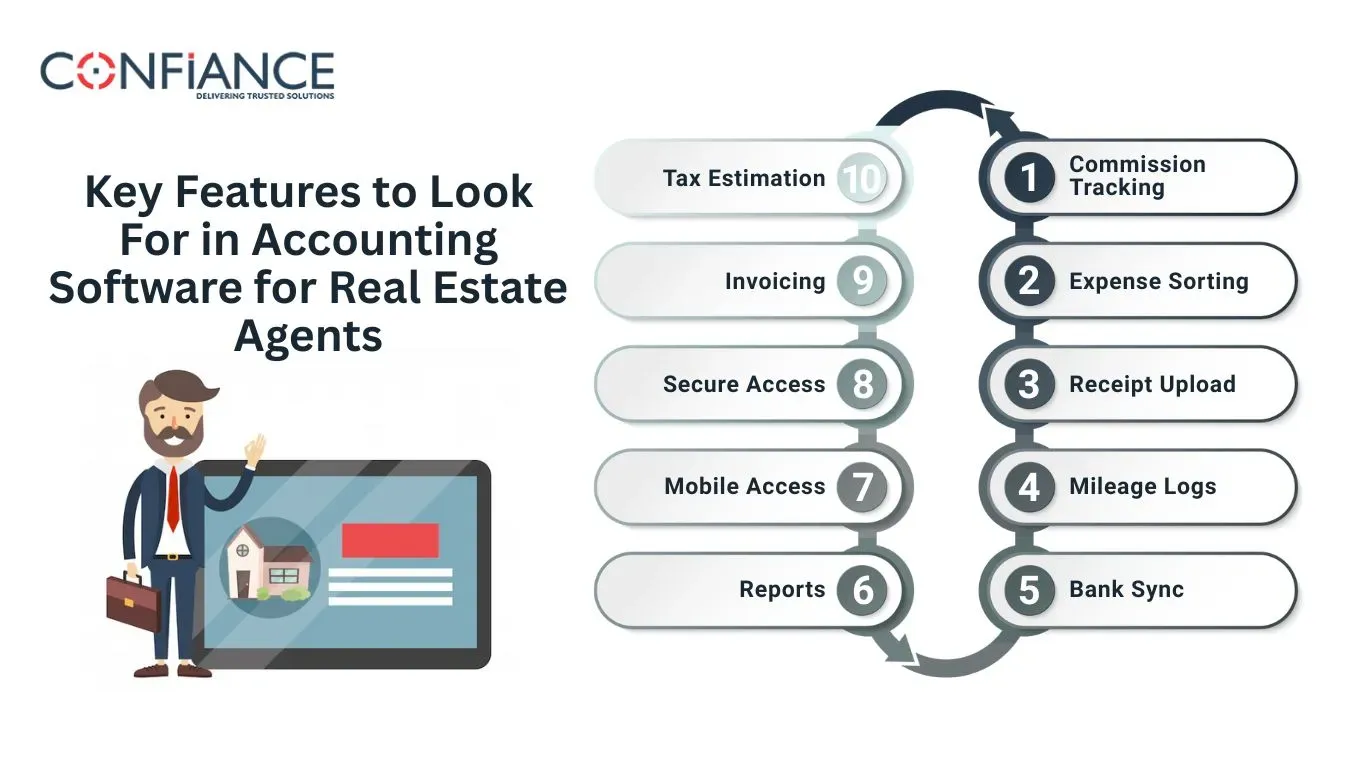
When selecting accounting software for real estate investors, there are several key features to consider. First and foremost, the software should be able to handle the unique financial requirements of the real estate industry, such as property management, rental income, and expense tracking. It should also provide robust reporting capabilities, including financial statements, budgeting tools, and dashboards for monitoring key performance indicators (KPIs). Additionally, the software should be scalable, secure, and user-friendly, with intuitive interfaces and minimal training required. Some accounting software solutions also offer integration with other business applications, such as property management software, customer relationship management (CRM) systems, and tax preparation tools.
Tips for Choosing the Right Accounting Software
With so many accounting software options available, it can be challenging to determine which one is best suited for your real estate investment business. Here are a few tips to consider:
- Define your business needs: Start by identifying the specific accounting and financial management requirements of your business. Consider factors such as the number of properties, rental income, expenses, and tax obligations.
- Research and compare options: Look for accounting software solutions that cater to the real estate industry and offer the features and functionality you need. Compare pricing, scalability, and user reviews to find the best fit for your business.
- Consider integration and compatibility: If you already use other business applications, such as property management software or CRM systems, look for accounting software that integrates seamlessly with these tools.
- Evaluate security and support: Ensure that the accounting software you choose has robust security measures in place to protect your financial data and provides reliable customer support and training resources.
In addition to accounting software, real estate investors should also consider other essential tools and services to protect their business. For example, Errors and Omissions Insurance Real Estate provides a safety net against potential errors or omissions in the course of business, while Real Estate Errors and Omissions Insurance offers protection against claims of negligence or misconduct.
Benefits of Cloud-Based Accounting Software
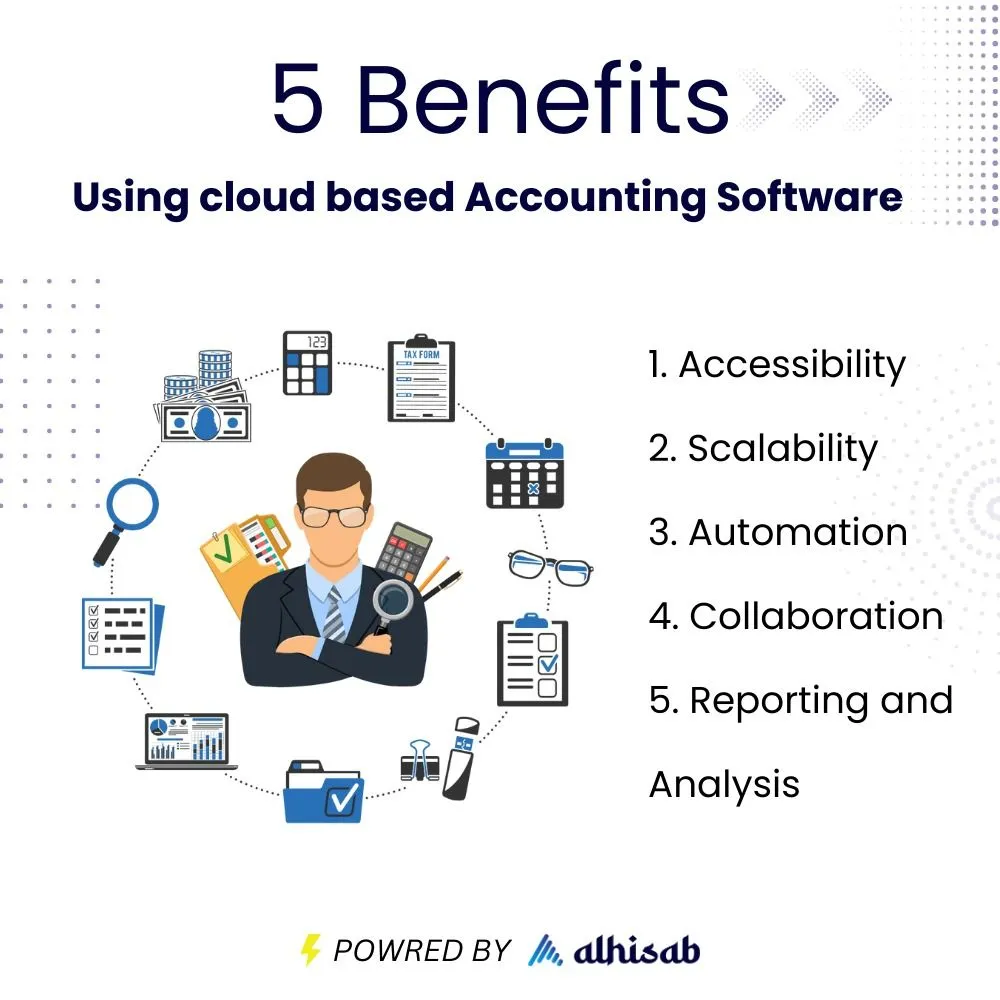
Cloud-based accounting software has become increasingly popular among real estate investors due to its flexibility, scalability, and cost-effectiveness. With cloud-based accounting software, users can access their financial data and accounting tools from anywhere, at any time, using a web browser or mobile device. This enables real-time collaboration and communication with team members, partners, and advisors, regardless of their location. Cloud-based accounting software also eliminates the need for manual backups and software updates, as all data is stored securely in the cloud and automatically updated by the provider. Furthermore, cloud-based accounting software often offers a more affordable and predictable pricing model, with monthly or annual subscription fees rather than upfront software purchases.
Streamlining Financial Operations with Accounting Software
By implementing accounting software for real estate investors, businesses can streamline their financial operations and improve overall efficiency. This includes automating tasks such as invoicing, payment processing, and reconciliations, as well as providing real-time visibility into financial performance and cash flow. Accounting software can also help investors stay organized and compliant with tax regulations, reducing the risk of errors or penalties. Additionally, accounting software can facilitate communication and collaboration with team members, partners, and advisors, ensuring that everyone is on the same page and working towards common goals.
As the real estate industry continues to evolve, the importance of efficient and accurate accounting practices will only continue to grow. By leveraging accounting software for real estate investors, businesses can stay ahead of the curve and drive success in an increasingly competitive market. Whether you are a seasoned investor or just starting out, finding the right accounting software can be a game-changer for your business. For more information on how to manage your real estate business, including tips on Real Estate Development Project Management Software and Real Estate CRM and Transaction Management, be sure to visit our blog.
In conclusion, accounting software for real estate investors is a vital tool for managing financial transactions, tracking expenses, and staying compliant with tax regulations. By selecting the right accounting software and implementing it effectively, businesses can streamline their financial operations, reduce errors, and make informed decisions to drive their business forward. As the real estate industry continues to grow and evolve, the importance of efficient and accurate accounting practices will only continue to increase, making accounting software for real estate investors an essential investment for any business looking to succeed in this competitive market.