Table of Contents
- Why Companies Choose to Hire a Software Developer in India
- Preparing Your Organization to Hire a Software Developer in India
- Define the Role and Skill Set Clearly
- Choose the Right Recruitment Channel
- Legal and Compliance Considerations
- Step‑by‑Step Process to Hire a Software Developer in India
- 1. Craft a Compelling Job Posting
- 2. Screen Resumes and Portfolios
- 3. Conduct Technical Assessments
- 4. Evaluate Communication Skills
- 5. Offer and Onboard
- Managing and Retaining Your Indian Development Talent
- Establish Clear Communication Cadences
- Invest in Professional Growth
- Measure Performance with the Right Metrics
- Leverage Supporting Software Tools
- Cost Considerations When You Hire a Software Developer in India
- Common Pitfalls and How to Avoid Them
- Real‑World Example: Scaling a FinTech Product
- Future Outlook: Why the Trend Will Continue
Finding the right technical talent is a central challenge for many growing companies. When budgets tighten and project timelines shrink, businesses increasingly look beyond their local markets for skilled programmers who can deliver quality code at competitive rates. India, with its large pool of engineering graduates and a mature outsourcing ecosystem, has become a top destination for firms that want to expand their development capacity without compromising on expertise.
In this article we walk through the entire journey of hiring a software developer in India—from understanding why the country is a fertile ground for tech talent, to evaluating candidates, negotiating contracts, and managing remote teams. The focus is on practical, actionable steps that any organization—whether a startup or an established enterprise—can apply immediately. By the end, you should have a clear roadmap that reduces risk and maximizes the value of your investment.
While the process may seem daunting at first, the right approach turns it into a strategic advantage. A well‑chosen developer can accelerate product launches, improve code quality, and open doors to future collaborations. Let’s explore how to make that happen.
Why Companies Choose to Hire a Software Developer in India
India’s reputation as a global tech hub is built on several solid factors. First, the country produces over 1.5 million engineering graduates each year, many of whom specialize in computer science, information technology, and related fields. This steady supply of fresh talent ensures that companies can find developers with up‑to‑date skills in emerging languages and frameworks.
Second, the cost advantage is significant. While salaries in Western markets continue to rise, Indian developers typically command lower rates without sacrificing quality. This creates an attractive cost‑performance ratio, especially for long‑term projects.
Third, the time‑zone difference can be leveraged as a “follow‑the‑sun” model. Teams in the United States or Europe can hand off work at the end of their day, allowing Indian developers to continue progress overnight. The result is faster turnaround and higher productivity.
Preparing Your Organization to Hire a Software Developer in India
Define the Role and Skill Set Clearly
A clear job description is the cornerstone of a successful search. List the core programming languages (e.g., Java, Python, Node.js), frameworks (React, Angular, Spring), and domain expertise (fintech, healthcare, e‑commerce) that the role requires. Include soft skills such as communication, teamwork, and a willingness to work within an agile methodology. The more precise you are, the easier it will be to filter candidates who truly match your needs.
Choose the Right Recruitment Channel
There are three primary avenues to source talent in India:
- Freelance marketplaces – Platforms like Upwork and Toptal host vetted developers who can start on short‑term contracts.
- Dedicated staffing agencies – Agencies specialize in matching companies with full‑time remote employees, handling everything from vetting to payroll.
- Direct hiring via job portals – Websites such as Naukri, LinkedIn, and Indeed allow you to post openings and receive applications directly.
For many businesses, starting with a freelance trial can provide a low‑risk way to assess fit before moving to a permanent arrangement.
Legal and Compliance Considerations
When you hire a software developer in India, you must address legal aspects like employment contracts, tax obligations, and data protection. Some companies opt for an Employer of Record (EOR) service, which becomes the legal employer on paper while you retain day‑to‑day management. This approach simplifies payroll, statutory contributions, and compliance with Indian labor laws.
Step‑by‑Step Process to Hire a Software Developer in India
1. Craft a Compelling Job Posting
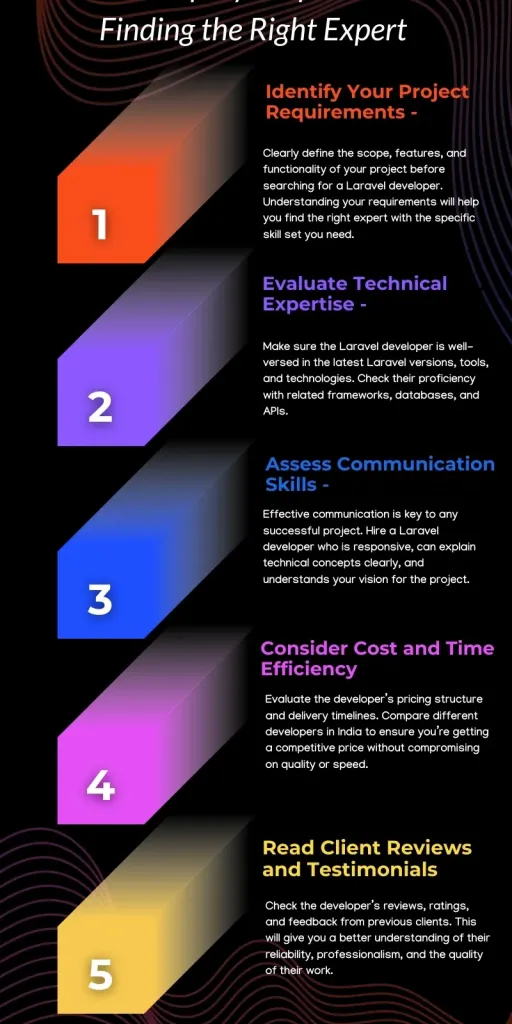
Use the role definition from earlier and enrich it with details about your company culture, project vision, and growth opportunities. Highlight any cutting‑edge technologies you employ, as this attracts ambitious engineers. Including a brief overview of your development process (e.g., Scrum, CI/CD pipelines) can also filter candidates who thrive in similar environments.
2. Screen Resumes and Portfolios
Look beyond the headline skills. Examine open‑source contributions, GitHub activity, and past project outcomes. A developer who has built a robust applicant tracking software for small business demonstrates both technical ability and an understanding of real‑world business problems.
3. Conduct Technical Assessments
Technical tests should reflect the actual work the developer will do. Use coding challenges that focus on problem‑solving, code readability, and testing practices. Pair‑programming sessions can also reveal how well the candidate collaborates remotely.
4. Evaluate Communication Skills
Since you’ll be working across continents, clear communication is non‑negotiable. Conduct video interviews to assess language proficiency, responsiveness, and cultural fit. Ask about their experience with remote tools such as Jira, Slack, and GitHub.
5. Offer and Onboard
Once you’ve identified the right candidate, present a detailed offer that outlines salary, benefits, work hours, and performance expectations. For remote hires, provide a structured onboarding plan that includes access to documentation, code repositories, and regular check‑ins during the first month.
Managing and Retaining Your Indian Development Talent
Establish Clear Communication Cadences
Regular stand‑ups, sprint reviews, and retrospectives keep the team aligned. Use a shared calendar to schedule overlapping hours that accommodate both time zones. This practice reduces misunderstandings and builds trust.
Invest in Professional Growth
Developers appreciate opportunities to learn new technologies. Sponsor online courses, certifications, or attendance at virtual conferences. When you support continuous learning, you increase loyalty and reduce turnover.
Measure Performance with the Right Metrics
Focus on outcome‑based metrics such as feature completion rate, code quality (e.g., static analysis scores), and defect density rather than just hours logged. Transparent metrics help both you and the developer understand progress and areas for improvement.
Leverage Supporting Software Tools
Effective collaboration often depends on the right tooling. For instance, implementing a robust time and attendance software for small business can help track work hours without micromanagement. Similarly, using an integrated help‑desk solution can streamline issue tracking across distributed teams.
Cost Considerations When You Hire a Software Developer in India
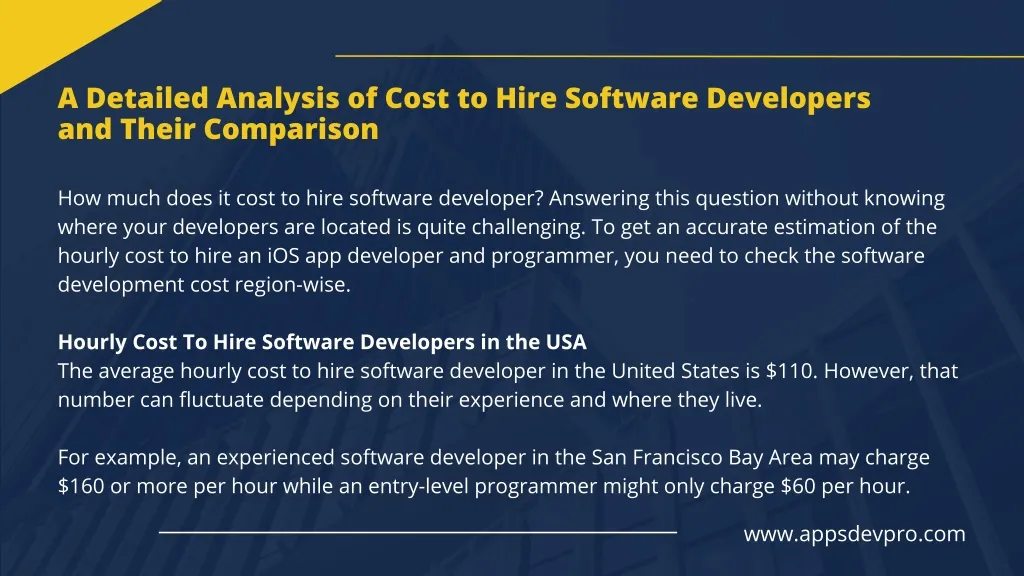
Salary expectations vary by experience level, location, and technology stack. As of 2024, junior developers typically earn between $8,000 and $15,000 USD per year, while senior engineers can command $25,000 to $45,000 USD. Adding benefits, taxes, and potential agency fees may increase the total cost by 10‑20%.
Many firms also choose a hybrid model—combining a modest base salary with performance‑based bonuses tied to project milestones. This aligns incentives and ensures that the developer is motivated to deliver high‑quality work on schedule.
Common Pitfalls and How to Avoid Them

- Underestimating cultural differences – Invest time in cultural orientation and encourage open dialogue to bridge gaps.
- Skipping thorough technical vetting – A rushed hiring process can lead to mismatched skill sets and rework later.
- Neglecting legal compliance – Use an EOR or consult with legal experts to avoid penalties.
- Poor onboarding – A structured onboarding plan reduces ramp‑up time and improves early productivity.
Real‑World Example: Scaling a FinTech Product
A mid‑size fintech startup in the United States needed to accelerate the development of its mobile wallet platform. By choosing to hire a software developer in India, the company added a senior React Native engineer for $30,000 USD per year. The developer worked in tandem with the US team during overlapping hours, delivering two major UI features within a month. The cost savings allowed the startup to allocate additional budget to security testing, ultimately leading to a faster, more secure product launch.
Future Outlook: Why the Trend Will Continue
India’s tech ecosystem continues to evolve, with increasing emphasis on emerging fields such as artificial intelligence, blockchain, and cloud-native development. Government initiatives, such as the “Digital India” program, further bolster infrastructure and talent pipelines. As global demand for software talent outpaces supply in many regions, the strategic advantage of hiring a software developer in India is likely to grow even stronger.
In summary, the process of hiring a software developer in India involves careful planning, diligent vetting, and thoughtful management. By following the steps outlined above—defining clear requirements, selecting the right recruitment channel, ensuring legal compliance, and investing in ongoing collaboration—you can build a high‑performing remote development team that drives innovation and delivers measurable business value.