Table of Contents
- property management software for property managers: Core Functionalities and Benefits
- Automated Rent Collection and Financial Tracking
- Maintenance Management and Vendor Coordination
- Tenant Screening and Lease Management
- Reporting and Business Intelligence
- Mobile Accessibility and Tenant Portals
- Selecting the Right Solution: Key Considerations
- Scalability and Portfolio Size
- Integration Ecosystem
- User Experience and Training
- Security and Compliance
- Cost Structure
- Implementation Best Practices for Seamless Adoption
- Define Clear Objectives and KPIs
- Data Migration and Cleansing
- Pilot Program and Feedback Loop
- Training and Change Management
- Continuous Monitoring and Optimization
- Future Trends Shaping Property Management Software
- Artificial Intelligence and Predictive Analytics
- Internet of Things (IoT) Integration
- Blockchain for Lease Contracts
- Enhanced Mobile Experiences
- Real‑World Impact: Case Studies of Successful Adoption
- Case Study 1: Mid‑Size Residential Portfolio
- Case Study 2: Commercial Office Spaces
- Case Study 3: Mixed‑Use Development
In the fast‑moving world of real estate, property managers are constantly juggling tenant requests, maintenance schedules, rent collections, and regulatory compliance. The traditional spreadsheet‑centric approach often leads to missed deadlines, inaccurate reporting, and frustrated occupants. As the industry leans more heavily on digital transformation, a dedicated platform—property management software for property managers—has become a cornerstone for operational efficiency.
These platforms consolidate disparate tasks into a single, cloud‑based interface, giving managers real‑time visibility into every corner of their portfolio. From a single‑family home to a multi‑unit commercial complex, the right software can automate repetitive processes, reduce manual errors, and free up valuable time for strategic decision‑making. The following sections explore the core capabilities, selection criteria, and implementation best practices that define successful adoption.
property management software for property managers: Core Functionalities and Benefits
When evaluating any solution, it helps to break down the feature set into functional categories. Below is a detailed look at the capabilities that most modern platforms provide, and how each translates into tangible benefits for property managers.
Automated Rent Collection and Financial Tracking
One of the most time‑consuming aspects of property management is handling rent payments. Property management software for property managers typically integrates with multiple payment gateways, allowing tenants to pay via ACH, credit card, or digital wallets. Automated reminders, late fee assessments, and real‑time ledger updates eliminate the need for manual bookkeeping.
Beyond collection, the software offers comprehensive financial reporting: profit and loss statements, cash flow forecasts, and expense categorization. These reports can be exported directly to accounting packages, simplifying audit preparation and tax filing.
Maintenance Management and Vendor Coordination
Maintenance requests often flood inboxes, especially for larger portfolios. A built‑in ticketing system captures each request, assigns it to the appropriate vendor, and tracks progress from submission to resolution. Automated alerts ensure that no request falls through the cracks, while a searchable history helps managers identify recurring issues and negotiate better service contracts.
Tenant Screening and Lease Management
Effective tenant selection reduces turnover and mitigates risk. Integrated screening tools pull credit scores, background checks, and eviction histories, presenting a consolidated view for quick decision‑making. Once approved, lease agreements can be generated, signed electronically, and stored securely within the platform, ensuring compliance with local regulations.
Reporting and Business Intelligence
Data‑driven insights are essential for scaling operations. Property management software for property managers aggregates occupancy rates, rent roll trends, and maintenance costs into customizable dashboards. Managers can set key performance indicators (KPIs) and receive automated alerts when metrics drift from target thresholds.
Mobile Accessibility and Tenant Portals
Modern platforms are mobile‑first, offering native apps for iOS and Android. Property managers can approve work orders, respond to inquiries, and review financials on the go. Tenants benefit from self‑service portals where they can view lease documents, submit maintenance requests, and make payments at any time.
Selecting the Right Solution: Key Considerations
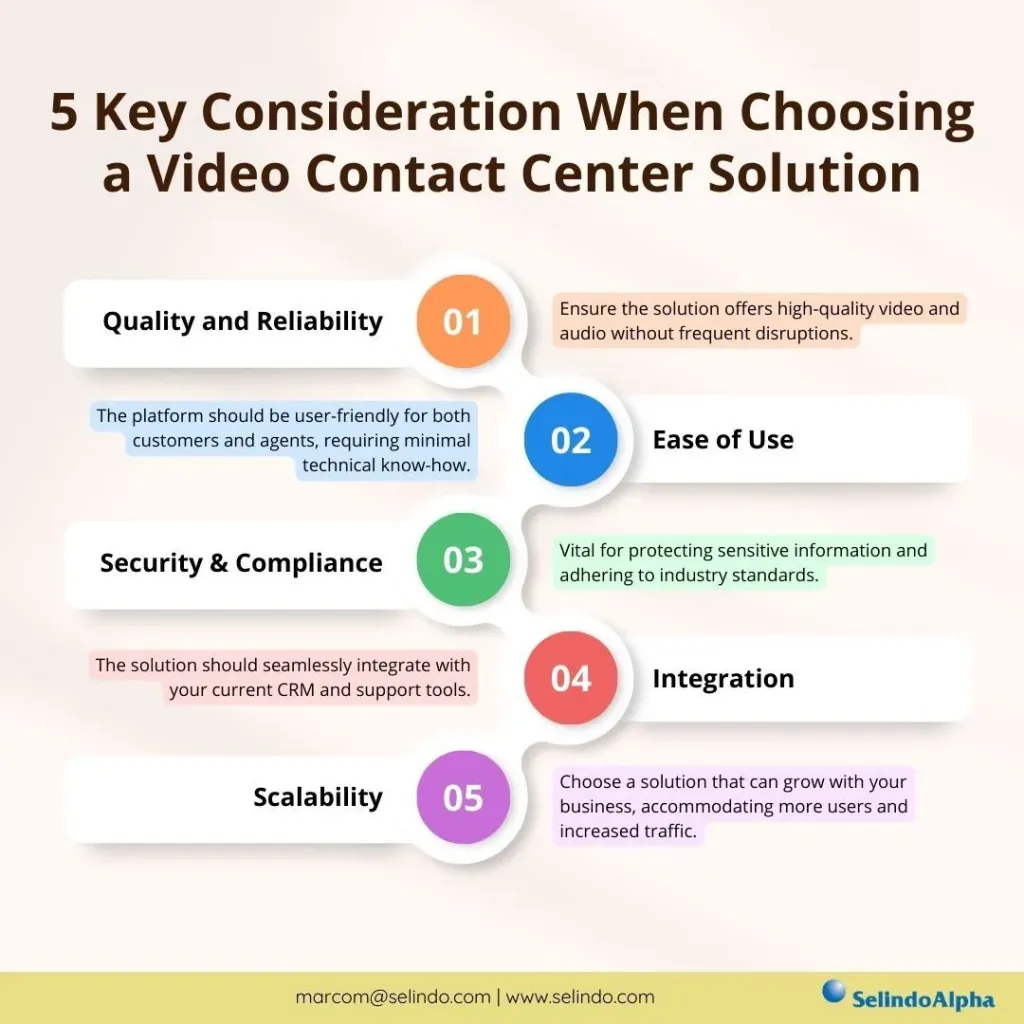
Choosing a platform is not a one‑size‑fits‑all decision. Property managers should align software capabilities with their specific operational needs, budget constraints, and growth plans. Below are the most critical factors to weigh during the selection process.
Scalability and Portfolio Size
Some solutions excel with single‑family rentals, while others are built for large commercial portfolios. Evaluate whether the system can comfortably handle the number of units you currently manage and the projected growth over the next three to five years. SaaS‑based models often provide flexible licensing that scales with your portfolio.
Integration Ecosystem
Most property managers already use accounting tools, CRM systems, or marketing platforms. Ensure the software offers robust APIs or native connectors to your existing stack. For example, integrating with a payroll solution such as payroll software for medium sized businesses can streamline staff compensation related to maintenance crews.
User Experience and Training
A steep learning curve can stall adoption. Look for intuitive interfaces, comprehensive onboarding resources, and responsive customer support. Platforms that provide role‑based dashboards enable staff to focus on relevant tasks without being overwhelmed by unnecessary features.
Security and Compliance
Handling financial data and personal tenant information demands high security standards. Verify that the solution complies with GDPR, CCPA, and local housing regulations. Encryption at rest and in transit, multi‑factor authentication, and regular security audits are non‑negotiable.
Cost Structure
Pricing models vary: per‑unit, per‑user, or flat‑rate subscriptions. Calculate the total cost of ownership, including implementation fees, training, and potential add‑ons. Comparing the ROI—time saved, reduced delinquency rates, and lower maintenance overhead—helps justify the investment.
Implementation Best Practices for Seamless Adoption
Even the most feature‑rich platform will fall short if not deployed correctly. Property managers can maximize success by following a structured rollout plan.
Define Clear Objectives and KPIs
Start with measurable goals: reduce rent collection time by 30%, lower vacancy rates by 5%, or cut maintenance response time in half. These objectives guide configuration, training, and post‑implementation evaluation.
Data Migration and Cleansing
Accurate data is the foundation of any system. Before importing lease agreements, payment histories, and vendor contacts, cleanse the data to eliminate duplicates and outdated records. Most vendors provide migration tools or professional services to assist with this step.
Pilot Program and Feedback Loop
Roll out the software to a small subset of properties or a single department first. Gather feedback from end‑users—leasing agents, maintenance staff, and accountants—and adjust workflows accordingly. This iterative approach uncovers hidden pain points before full‑scale deployment.
Training and Change Management
Offer hands‑on training sessions, video tutorials, and reference guides. Encourage power users to become internal champions who can assist colleagues. Transparent communication about the benefits and timeline reduces resistance and accelerates adoption.
Continuous Monitoring and Optimization
After go‑live, track the KPIs defined earlier. Use the platform’s analytics to identify bottlenecks or underutilized features. Regularly review vendor updates and consider additional modules—such as advanced marketing automation or integrated accounting—to expand functionality.
Future Trends Shaping Property Management Software
The real estate technology landscape evolves rapidly, and property managers must stay ahead of emerging trends to maintain a competitive edge.
Artificial Intelligence and Predictive Analytics
AI-driven engines can forecast lease expirations, predict maintenance needs based on equipment age, and even suggest optimal rent pricing based on market dynamics. These insights enable proactive decision‑making rather than reactive fire‑fighting.
Internet of Things (IoT) Integration
Smart sensors—temperature, humidity, water leak detectors—can feed real‑time data into the management platform. Automatic alerts trigger work orders before minor issues become costly repairs, enhancing tenant satisfaction and protecting asset value.
Blockchain for Lease Contracts
Blockchain technology offers immutable, tamper‑proof lease agreements, simplifying verification and reducing disputes. While still early in adoption, forward‑looking property managers are monitoring pilot projects that leverage smart contracts for automated rent payments.
Enhanced Mobile Experiences
Beyond basic functionality, mobile apps are incorporating augmented reality (AR) for virtual property tours and AI chatbots for instant tenant support. These innovations further blur the line between physical and digital property management.
Real‑World Impact: Case Studies of Successful Adoption

Understanding the practical outcomes of implementing property management software for property managers helps illustrate its value.
Case Study 1: Mid‑Size Residential Portfolio
A regional property management firm overseeing 1,200 units adopted a cloud‑based platform with integrated rent collection and automated maintenance routing. Within six months, delinquency rates dropped from 8% to 3%, and average maintenance response time improved from 48 hours to under 24 hours. The firm also reported a 15% reduction in administrative labor costs.
Case Study 2: Commercial Office Spaces
A commercial landlord managing 35 office buildings leveraged the platform’s analytics to identify underutilized spaces. By adjusting lease terms based on predictive occupancy models, the landlord increased overall occupancy from 78% to 92% in a single fiscal year, boosting revenue by $2.5 million.
Case Study 3: Mixed‑Use Development
A mixed‑use developer combined tenant portals with IoT sensors for energy monitoring. The system flagged abnormal utility usage, prompting pre‑emptive repairs that saved $120,000 annually in energy costs. Tenant satisfaction scores rose by 20% after the introduction of a responsive mobile app.
These examples demonstrate that the strategic use of property management software for property managers can transform operational efficiency, financial performance, and tenant experience.
In summary, the adoption of a robust property management platform is no longer optional for forward‑thinking property managers. By consolidating rent collection, maintenance, leasing, and reporting into a unified cloud solution, managers can reduce manual workload, improve accuracy, and gain actionable insights that drive growth. Selecting a system that aligns with portfolio size, integrates with existing tools, and offers strong security safeguards is essential. A disciplined implementation—grounded in clear objectives, thorough data migration, and ongoing training—ensures the technology delivers on its promise.
Looking ahead, emerging technologies such as AI, IoT, and blockchain will further augment the capabilities of property management software for property managers, opening new avenues for predictive maintenance, dynamic pricing, and secure contract management. Property managers who embrace these innovations early will be well positioned to enhance tenant satisfaction, optimize asset performance, and stay ahead in an increasingly competitive market.