Table of Contents
- Key Features of Cloud Based Veterinary Practice Management Software
- Benefits of Moving to Cloud Based Veterinary Practice Management Software
- Scalability and Flexibility
- Data Security and Compliance
- Reduced IT Overhead
- Enhanced Collaboration
- Improved Client Experience
- Choosing the Right Cloud Solution for Your Clinic
- Implementation Best Practices
- Plan a Structured Migration Timeline
- Engage Stakeholders Early
- Leverage Vendor Training Resources
- Conduct Data Cleansing Before Migration
- Monitor Performance Metrics Post‑Launch
- Future Trends Shaping Cloud Veterinary Solutions
- Cost Considerations and Return on Investment
- Real‑World Example: A Mid‑Size Clinic’s Transition
In today’s fast‑moving veterinary landscape, clinics are looking for tools that streamline operations without adding complexity. Traditional on‑premise solutions often require costly hardware, regular maintenance, and dedicated IT staff—resources many small and mid‑size practices simply do not have. The shift toward cloud based veterinary practice management software offers a compelling alternative, delivering flexibility, security, and scalability from a single, web‑accessible platform.
Adopting a cloud solution means that veterinarians can focus more on patient care and less on administrative hurdles. Appointments, billing, medical records, and inventory are all synchronized in real time, accessible from any device with an internet connection. This connectivity also facilitates collaboration with specialists, labs, and pet owners, creating a more integrated care experience. As the veterinary industry continues to embrace digital transformation, understanding the nuances of cloud based veterinary practice management software becomes essential for sustainable growth.
The following sections dive into the core components of these platforms, the strategic advantages they provide, and practical guidance on selecting and implementing the right system for your practice.
Key Features of Cloud Based Veterinary Practice Management Software
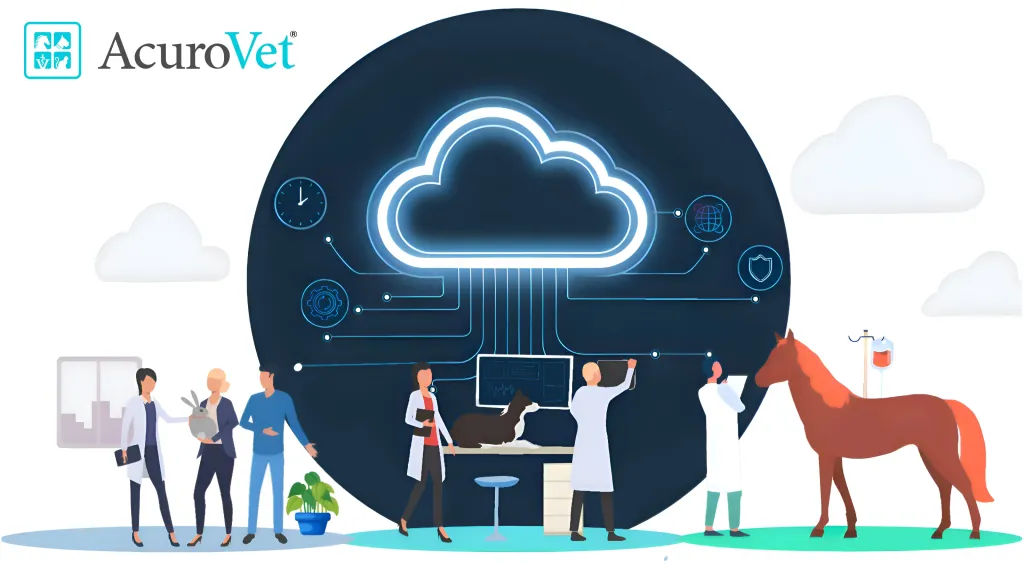
Modern cloud based veterinary practice management software is built around a suite of interconnected modules that address the entire lifecycle of a veterinary visit. Below are the most common functionalities you will encounter:
- Appointment Scheduling – Drag‑and‑drop calendars, automated reminders via SMS or email, and the ability to manage multiple doctors or locations.
- Electronic Medical Records (EMR) – Centralized patient histories, treatment plans, lab results, and imaging that can be accessed instantly from any workstation.
- Billing & Invoicing – Integrated invoicing, payment processing, and insurance claim management, reducing the time spent on manual entry.
- Inventory Management – Real‑time tracking of medications, supplies, and consumables with automatic re‑order alerts.
- Client Communication – Secure portals for pet owners to view records, schedule appointments, and receive educational material.
- Reporting & Analytics – Dashboards that highlight key performance indicators such as case load, revenue per veterinarian, and inventory turnover.
These capabilities are often delivered through a subscription model, meaning practices pay a predictable monthly fee rather than a large upfront capital expense. This approach aligns costs with actual usage and enables easier budgeting.
Benefits of Moving to Cloud Based Veterinary Practice Management Software
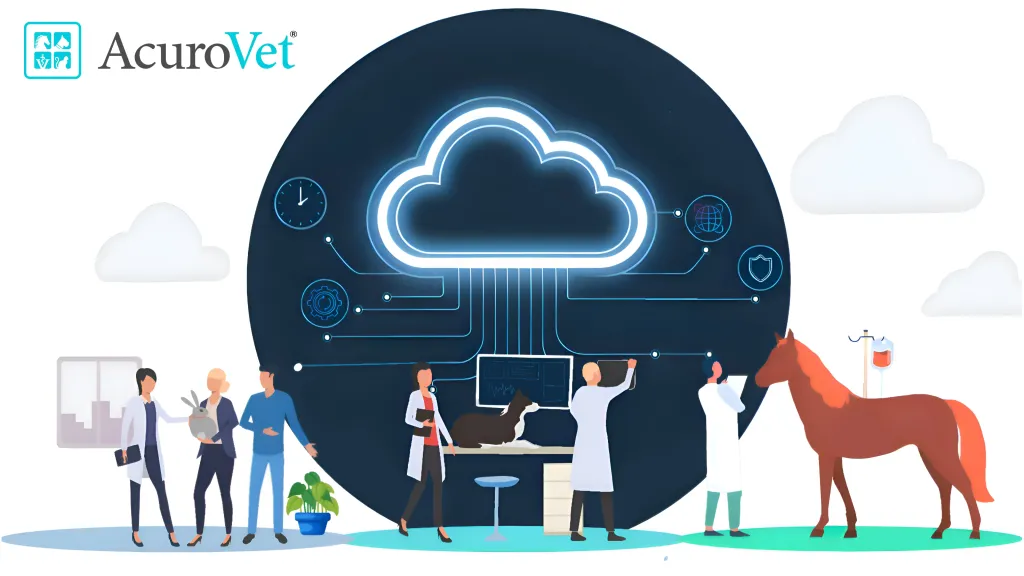
Transitioning from a legacy system to a cloud environment brings measurable improvements across several dimensions of practice operations.
Scalability and Flexibility
Because the infrastructure is hosted by the vendor, adding new users, locations, or features can be accomplished with a few clicks. Practices experiencing seasonal spikes in demand—such as during holiday pet‑boarding periods—can quickly scale resources without purchasing additional servers.
Data Security and Compliance
Reputable providers invest heavily in security certifications, encryption, and regular backups. This mitigates the risk of data loss from hardware failures or ransomware attacks, and helps ensure compliance with regulations like GDPR or HIPAA equivalents for veterinary data.
Reduced IT Overhead
With the vendor handling updates, patches, and server maintenance, in‑house staff can focus on supporting clinical workflows rather than troubleshooting software issues. This also eliminates the need for periodic costly upgrades that are typical of on‑premise solutions.
Enhanced Collaboration
Cloud based veterinary practice management software enables seamless sharing of patient records with specialists, diagnostic labs, and even mobile veterinarians in the field. Real‑time access ensures that every team member works with the most current information, reducing errors and improving treatment outcomes.
Improved Client Experience
Pet owners appreciate the convenience of online portals where they can view vaccination schedules, request prescription refills, and receive reminders. A smoother client journey often translates into higher retention rates and positive word‑of‑mouth referrals.
Choosing the Right Cloud Solution for Your Clinic

Selecting a platform that aligns with your practice’s specific needs involves more than just reviewing feature lists. Consider the following criteria during your evaluation process.
- Usability – The interface should be intuitive for both clinical staff and administrators. A steep learning curve can disrupt daily operations.
- Integration Capabilities – Ensure the software can connect with existing tools such as laboratory equipment, accounting packages, or telemedicine platforms.
- Vendor Support – Look for 24/7 support channels, comprehensive training resources, and a clear roadmap for future enhancements.
- Pricing Transparency – Understand the subscription tiers, any per‑user fees, and potential costs for additional modules. A detailed cost breakdown helps avoid surprise charges.
- Compliance and Data Ownership – Verify that the vendor’s data policies align with local regulations and that you retain ownership of your clinic’s information.
For practices already using cloud services for other functions, evaluating the software’s API ecosystem can simplify integration. For example, linking your practice management system with a robust AP automation software can streamline accounts payable processes and further reduce manual effort.
Implementation Best Practices

Even the most feature‑rich cloud based veterinary practice management software will fall short if not deployed thoughtfully. Follow these steps to ensure a smooth transition.
Plan a Structured Migration Timeline
Map out key milestones—data import, staff training, pilot testing, and full rollout. Allocate sufficient time for each phase to address unforeseen issues without jeopardizing patient care.
Engage Stakeholders Early
Involve veterinarians, technicians, receptionists, and accountants in the selection and configuration process. Their input helps tailor the system to real‑world workflows and encourages buy‑in.
Leverage Vendor Training Resources
Most providers offer webinars, on‑demand tutorials, and dedicated account managers. Utilizing these resources accelerates proficiency and reduces reliance on ad‑hoc troubleshooting.
Conduct Data Cleansing Before Migration
Eliminate duplicate patient records, outdated contacts, and obsolete inventory items. Clean data ensures that the cloud platform starts with an accurate baseline, improving reporting accuracy from day one.
Monitor Performance Metrics Post‑Launch
Track adoption rates, appointment booking times, and billing cycle efficiency. Early insight into these metrics allows you to fine‑tune configurations and address bottlenecks promptly.
For practices that already employ cloud‑based accounting solutions, comparing costs can be enlightening. An article like How Much Is NetSuite Accounting Software? Pricing Details Explained provides a useful benchmark for evaluating subscription models across industries.
Future Trends Shaping Cloud Veterinary Solutions

While the current generation of cloud based veterinary practice management software already offers a comprehensive toolkit, emerging technologies promise to extend capabilities even further.
- Artificial Intelligence (AI) – Predictive analytics for disease outbreaks, automated triage bots, and AI‑driven treatment recommendations.
- Internet of Things (IoT) – Integration with smart wearables that monitor animal vitals in real time, feeding data directly into the EMR.
- Telemedicine Integration – Seamless video consultation modules that tie directly into patient records and billing.
- Advanced Reporting – Customizable, drill‑down dashboards powered by cloud data lakes, enabling deeper financial and clinical insights.
Adopting a platform that offers an open API and modular architecture positions your practice to capitalize on these innovations without disruptive overhauls.
Cost Considerations and Return on Investment
Investing in cloud based veterinary practice management software should be viewed through the lens of long‑term ROI rather than just monthly fees. Typical cost savings arise from:
- Reduced paperwork and manual entry errors.
- Faster claim processing and improved cash flow.
- Optimized inventory levels, lowering carrying costs.
- Higher client retention through improved communication.
- Decreased IT maintenance expenses.
A practice that reduces billing errors by 15 % and shortens the average payment cycle by five days can see a substantial increase in operational cash flow—often offsetting the subscription expense within the first year.
Real‑World Example: A Mid‑Size Clinic’s Transition
Consider a veterinary clinic with three locations, employing 12 veterinarians and 20 support staff. Previously, each site ran its own on‑premise software, resulting in fragmented data and duplicated effort. After migrating to a unified cloud based veterinary practice management software, the clinic achieved:
- 30 % reduction in appointment no‑shows thanks to automated reminders.
- 20 % faster checkout times, as payment processing became integrated.
- Improved inventory turnover, cutting expired medication waste by 25 %.
- Unified reporting across locations, enabling more strategic decision‑making.
The clinic also integrated the new system with a help desk software as a service to manage client inquiries, further streamlining communication and boosting satisfaction scores.
Such outcomes illustrate how cloud based veterinary practice management software can transform operational efficiency while supporting growth ambitions.
In summary, the shift to cloud platforms equips veterinary practices with the tools needed to thrive in an increasingly digital environment. By prioritizing usability, security, and integration, clinics can unlock smoother workflows, stronger client relationships, and clearer financial visibility. As technology continues to evolve, selecting a flexible, forward‑looking solution ensures that your practice remains adaptable, competitive, and focused on what matters most—delivering high‑quality care to animals and peace of mind to their owners.