Table of Contents
- Why Inventory Management Software for Manufacturing Companies Is Essential
- Key Features of Inventory Management Software for Manufacturing Companies
- How Inventory Management Software Enhances Production Efficiency
- Integrating Inventory Management Software with ERP Systems
- Benefits Across the Organization
- Tips for Successful Implementation
- Evaluating the Right Solution
- Future Trends Shaping Inventory Management in Manufacturing
- Practical Steps to Leverage Emerging Technologies
In the fast‑moving world of production, keeping the right amount of raw material, work‑in‑process, and finished goods on hand is a daily challenge. Missed shipments, excess stock, and production delays can erode profit margins and damage customer trust. Manufacturers that invest in modern inventory management software for manufacturing companies gain a clear, real‑time view of their stock levels, enabling smarter decisions and smoother workflows.
This article walks you through the core functions of such software, the benefits it brings to the shop floor and the executive suite, and the key considerations when selecting a solution. By the end, you’ll understand why inventory management software for manufacturing companies is no longer a nice‑to‑have add‑on but a strategic necessity.
Why Inventory Management Software for Manufacturing Companies Is Essential
Traditional spreadsheet‑based tracking often falls short when production volumes rise or product lines become more complex. Inventory management software for manufacturing companies integrates with shop‑floor machines, ERP platforms, and procurement systems to automate data capture and eliminate manual entry errors. The result is a single source of truth that supports demand forecasting, order fulfillment, and cost control.
Key Features of Inventory Management Software for Manufacturing Companies
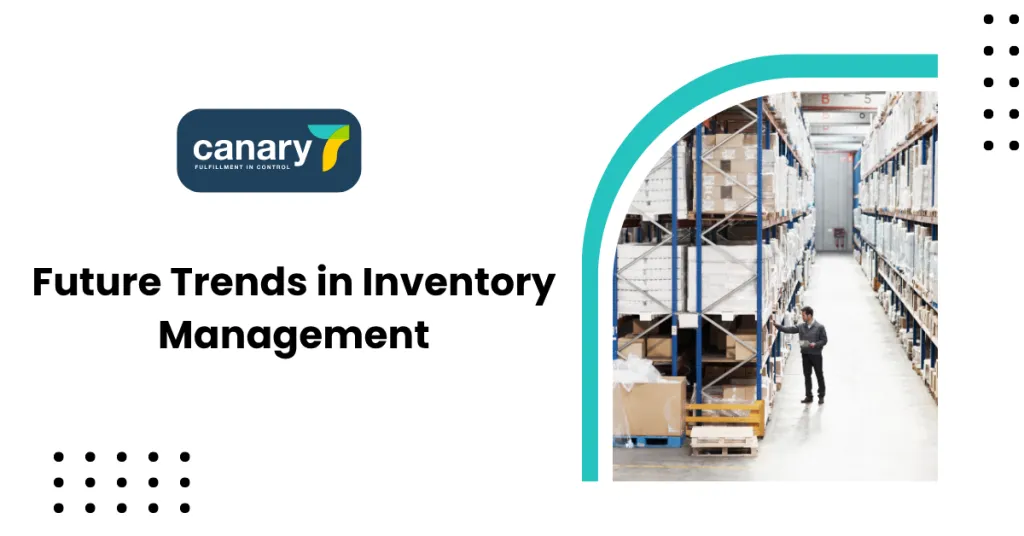
- Real‑time stock visibility: Barcode scanners, RFID readers, and IoT sensors feed live data into the system, showing exact quantities on each pallet, bin, or assembly line.
- Bill of Materials (BOM) integration: The software automatically deducts component usage as items move through the production process, keeping the BOM up to date.
- Automatic reorder points: Based on historical usage and lead times, the system generates purchase orders before stock runs out.
- Lot and serial number tracking: Essential for traceability in regulated industries, allowing manufacturers to locate every unit from raw material to finished product.
- Multi‑location management: Centralized control of warehouses, distribution centers, and on‑site storage, with transfer orders and cross‑docking support.
- Analytics and reporting: Dashboards highlight inventory turnover, days of inventory on hand, and cost of goods sold, helping leaders spot trends and bottlenecks.
How Inventory Management Software Enhances Production Efficiency
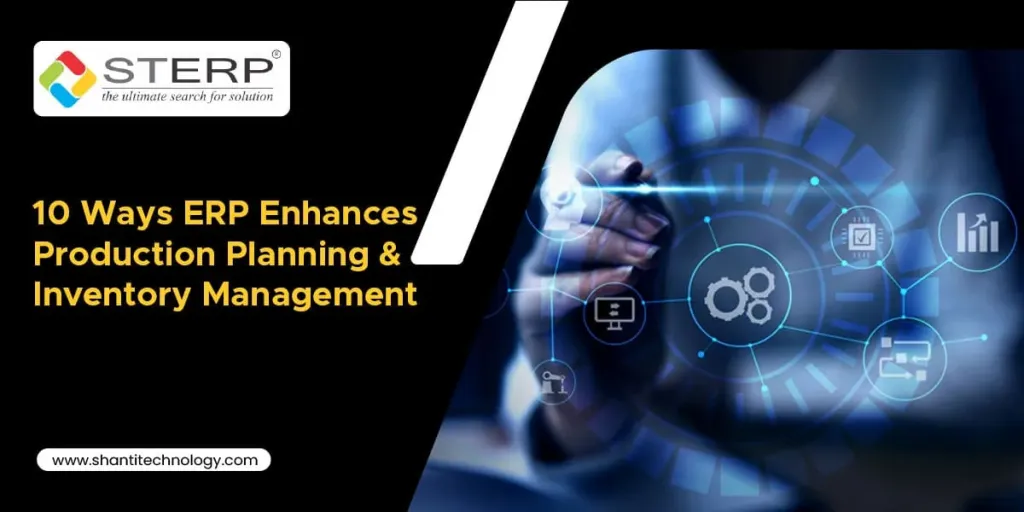
When a production line receives an order, the software checks component availability instantly. If a part is missing, it triggers a replenishment workflow, preventing costly line stoppages. This proactive approach reduces downtime and improves overall equipment effectiveness (OEE). Moreover, accurate inventory data enables better capacity planning, ensuring that machines are loaded to optimal levels without overstocking raw material.
Consider a mid‑size metal fabricator that previously relied on weekly stock counts. After implementing inventory management software for manufacturing companies, the firm cut its inventory carrying cost by 15 % and reduced order‑to‑delivery time from 10 days to 4 days. Such gains stem from eliminating guesswork and aligning procurement with actual production schedules.
Integrating Inventory Management Software with ERP Systems
Most manufacturers already use an ERP solution to manage finance, HR, and sales. The best inventory management software for manufacturing companies integrates seamlessly with ERP modules, sharing data such as sales orders, purchase orders, and cost accounting. This integration eliminates data silos and ensures that financial reports reflect true inventory valuations.
For small manufacturers looking for a holistic approach, the guide ERP Software for Small Manufacturing Business – A Complete Guide provides valuable insights on choosing an ERP that pairs well with inventory management capabilities.
Benefits Across the Organization

Finance teams gain precise inventory valuations, reducing the risk of audit discrepancies. Supply chain managers can forecast demand more accurately, negotiate better terms with suppliers, and avoid emergency freight charges. Production supervisors receive alerts when component levels dip below safety stock, allowing them to adjust schedules before a disruption occurs.
Beyond operational gains, the software contributes to sustainability goals. By minimizing excess stock and reducing waste from obsolete parts, manufacturers lower their environmental footprint and improve compliance with green initiatives.
Tips for Successful Implementation
- Start with a clear inventory audit to establish baseline data.
- Choose a solution that supports your existing hardware (barcode scanners, RFID, PLCs).
- Involve cross‑functional stakeholders early—finance, production, and procurement.
- Phase the rollout: pilot in one plant or product line before full‑scale deployment.
- Provide hands‑on training and create a knowledge base for ongoing support.
Evaluating the Right Solution

When assessing inventory management software for manufacturing companies, consider the following criteria:
- Scalability: Can the system grow with your production volume and new product lines?
- Customization: Does it allow you to configure BOM structures, work‑order types, and reporting templates?
- Cloud vs. On‑Premise: Cloud solutions offer easier updates and remote access, while on‑premise may satisfy strict data‑security policies.
- Vendor support: Look for partners offering implementation services, training, and responsive help desks.
- Total cost of ownership: Account for licensing, hardware, integration, and ongoing maintenance.
Manufacturers in regulated sectors, such as pharmaceuticals, often require additional compliance features. The Quality Management System Software for Pharmaceutical Industry article outlines how integrated quality modules can complement inventory tracking for full regulatory adherence.
Future Trends Shaping Inventory Management in Manufacturing
Artificial intelligence and machine learning are beginning to augment inventory management software for manufacturing companies. Predictive analytics can forecast demand spikes based on market trends, weather patterns, or promotional campaigns, allowing pre‑emptive stock adjustments. Meanwhile, edge computing enables on‑device processing of sensor data, reducing latency and enhancing real‑time decision making on the shop floor.
Another emerging trend is the integration of digital twins—virtual replicas of the production environment. By feeding live inventory data into a digital twin, manufacturers can simulate the impact of supply disruptions or process changes before implementing them in the physical plant.
Practical Steps to Leverage Emerging Technologies
- Start with a pilot AI model that predicts stock‑out risk for high‑value components.
- Deploy IoT sensors on critical bins to feed granular data into the inventory platform.
- Partner with a technology provider that offers a modular architecture, making it easier to add AI or digital twin capabilities later.
Even without cutting‑edge tech, a solid inventory management software for manufacturing companies delivers immediate ROI through improved accuracy, reduced waste, and faster order fulfillment. The key is to align the tool with your specific production workflows and to maintain disciplined data governance.
In summary, adopting inventory management software for manufacturing companies transforms raw data into actionable insights, drives efficiency across the value chain, and positions manufacturers to meet both current market demands and future technological advances. By selecting a solution that integrates well with existing ERP systems, supports real‑time visibility, and scales with growth, manufacturers can secure a competitive edge while safeguarding profitability.