Table of Contents
- Step‑by‑Step Guide on how to adopt a retired police dog
- Eligibility criteria for how to adopt a retired police dog
- Financial considerations when you learn how to adopt a retired police dog
- Understanding the adoption paperwork and legal aspects
- Preparing Your Home for a Police Dog
- Creating a calm environment
- Exercise and mental stimulation
- Safety measures for the yard
- Training and Ongoing Support After Adoption
- Re‑training basics for how to adopt a retired police dog
- Health monitoring and veterinary care
- Community resources and support networks
Police dogs, often called K9 units, spend years performing high‑risk duties such as drug detection, search and rescue, and suspect apprehension. When the badge is finally retired, many of these loyal companions deserve a peaceful life at home. For families and individuals who admire their dedication, the question arises: how to adopt a retired police dog and give them a second chance at a happy, stable environment.
The transition from a disciplined, command‑driven workplace to a civilian household can be challenging for the dog and the new owner alike. Understanding the unique needs of a former service animal is essential. This article walks you through the entire process, from initial research to long‑term care, ensuring that you are fully prepared for the responsibilities ahead.
Below you will find a comprehensive roadmap that covers eligibility requirements, financial planning, home preparation, and ongoing support. Whether you are a seasoned dog owner or a first‑time adopter, the steps outlined here will help you answer the central question of how to adopt a retired police dog with confidence and compassion.
Step‑by‑Step Guide on how to adopt a retired police dog

Adopting a former K9 officer involves more than signing a standard adoption form. The process is designed to match each dog with a suitable home that can meet its physical, emotional, and behavioral needs. Follow these stages to navigate the journey successfully.
Eligibility criteria for how to adopt a retired police dog
- Age and experience: Most retired police dogs are between 5 and 8 years old. They have extensive training and may carry physical wear from years of service.
- Living environment: A fenced yard, quiet neighborhood, and access to regular exercise are preferred. Multi‑dog households should have experience with large, energetic breeds.
- Commitment level: Prospective owners must demonstrate a willingness to provide daily routines, veterinary care, and ongoing training.
- Background check: Many agencies conduct a home visit and interview to assess compatibility.
Meeting these criteria does not guarantee placement, but it significantly improves your chances of being matched with a K9 who fits your lifestyle.
Financial considerations when you learn how to adopt a retired police dog
Retired police dogs often come with a modest adoption fee that covers initial veterinary exams, vaccinations, and spay/neuter procedures. However, long‑term costs can be substantial. Budget for high‑quality food, routine check‑ups, possible orthopedic care, and specialized training sessions.
For families already planning for their own financial future, it can be helpful to view these expenses alongside retirement budgeting. Understanding retirement money management principles can provide a framework for allocating funds to pet care without compromising other obligations.
Understanding the adoption paperwork and legal aspects
Agencies typically require you to sign an adoption contract that outlines the responsibilities of both parties. This may include clauses about:
- Prohibiting resale or transfer of the dog.
- Providing regular veterinary updates to the agency.
- Allowing the agency to conduct periodic welfare checks.
Read the contract carefully and ask for clarification on any legal terminology. If you have concerns about liability, consider consulting a local attorney experienced in animal law.
Preparing Your Home for a Police Dog
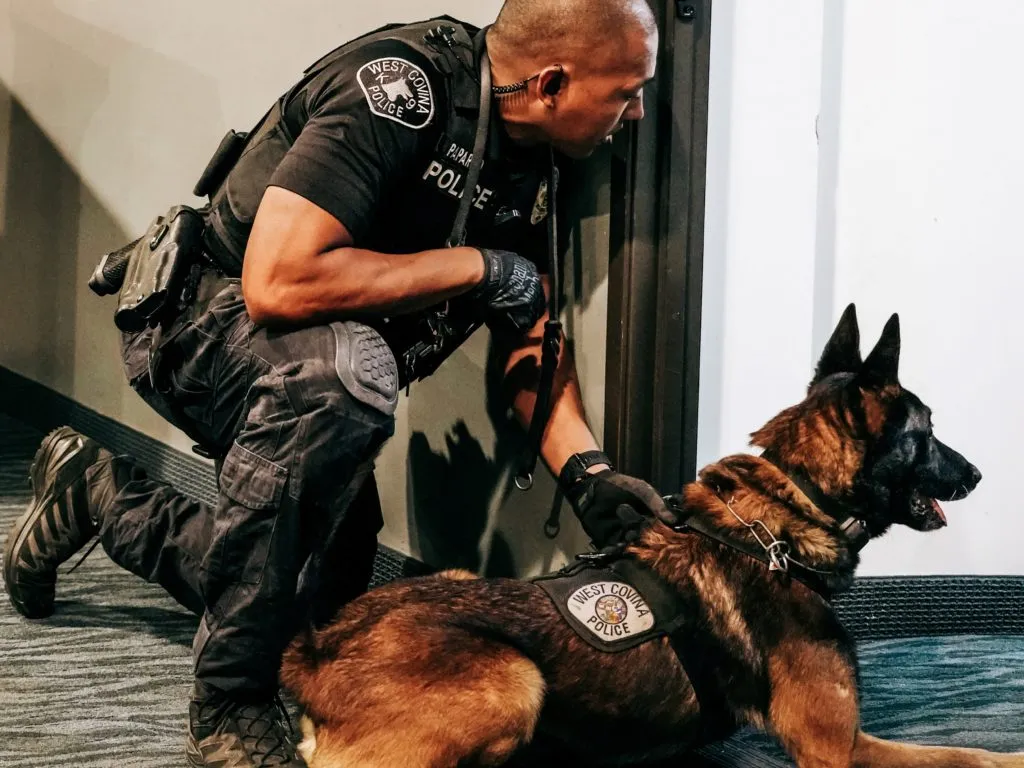
Transitioning a retired K9 to a civilian setting requires thoughtful preparation. The following steps help create a safe, welcoming space that respects the dog’s past training while encouraging relaxation.
Creating a calm environment
Police dogs are accustomed to a structured, low‑distraction environment. Provide a quiet corner with a comfortable bed, away from loud appliances or busy foot traffic. Use scent‑free cleaners to avoid overwhelming the dog’s sensitive nose.
Exercise and mental stimulation
Regular physical activity is crucial. Aim for at least two 30‑minute walks per day, supplemented by play sessions that engage the dog’s natural instincts. Puzzle toys, scent‑work games, and agility equipment can keep the mind sharp.
Safety measures for the yard
Even though many retired police dogs are well‑trained, a secure fence is essential. Inspect for gaps, and ensure the gate latch cannot be opened by a determined canine.
Training and Ongoing Support After Adoption

Although these dogs have undergone extensive professional training, they may still exhibit behaviors linked to their former duties. Patience and consistency are key.
Re‑training basics for how to adopt a retired police dog
- Positive reinforcement: Use treats and praise to reward desired behaviors. Avoid harsh corrections, as they can trigger anxiety.
- Command adjustment: Transition from law‑enforcement commands (e.g., “Speak,” “Heel”) to everyday commands (“Sit,” “Stay”). Consistency across family members helps the dog adapt.
- Socialization: Gradually introduce the dog to new people, pets, and environments. Controlled exposure reduces stress and builds confidence.
Health monitoring and veterinary care
Retired police dogs often face joint issues such as hip dysplasia or arthritis. Early detection through regular veterinary visits can prevent more serious complications. Discuss supplement options, physiotherapy, and weight management with your vet.
In addition to physical health, mental wellness is equally important. Dogs that served in high‑stress situations may exhibit signs of post‑traumatic stress disorder (PTSD). If you notice excessive barking, startle responses, or avoidance behaviors, consult a certified canine behaviorist.
Community resources and support networks
Many regions have K9 retirement groups that offer mentorship, group walks, and educational workshops. Connecting with these communities provides both socialization for your dog and valuable advice for you as an owner.
Some agencies also offer post‑adoption support, including periodic check‑ins, discounted training classes, and access to a network of experienced handlers. Take advantage of these resources to ensure a smooth transition.
Finally, remember that adopting a retired police dog is a long‑term commitment that can span a decade or more. By planning financially, preparing your home, and staying engaged with professional support, you create a fulfilling partnership that honors the dog’s service and gives them the peace they deserve.
Adoption stories often highlight the deep bond formed between the former K9 and their new family. The sense of purpose that once drove them on duty can be redirected into a life of companionship, play, and love. If you have considered how to adopt a retired police dog, now you possess the knowledge to take the next step with confidence.