Table of Contents
- e&o insurance for real estate: Essential Coverage Overview
- Key Considerations in e&o insurance for real estate
- Why Every Real Estate Professional Needs e&o Insurance
- Common Scenarios Covered by e&o insurance for real estate
- How to Evaluate and Purchase the Right Policy
- Step 1: Assess Your Risk Profile
- Step 2: Compare Multiple Quotes
- Step 3: Review Policy Language Carefully
- Step 4: Verify Continuity Options
- Step 5: Incorporate Risk Management Practices
- Special Considerations for Brokers and Large Teams
- Cost Factors and Premium Estimation
- Integrating e&o Insurance with Overall Business Strategy
- Common Misconceptions About e&o Insurance for Real Estate
- Future Trends in e&o Insurance for Real Estate
In the dynamic world of property transactions, professionals constantly balance opportunities with responsibilities. Whether you are a seasoned broker, a newly licensed agent, or a property manager, the potential for legal exposure is a reality that cannot be ignored. Errors and omissions (E&O) insurance, often called professional liability insurance, steps in as a protective shield, helping to safeguard your career and financial stability.
The need for robust coverage becomes clearer when you consider the variety of situations that can lead to claims: a missed disclosure, a miscalculated market analysis, or a simple clerical error that results in a client’s financial loss. Each of these scenarios can trigger lawsuits that threaten both reputation and bottom line. Understanding how e&o insurance for real estate works, what it actually covers, and how to select the right policy is essential for anyone who earns a living by matching buyers with properties.
e&o insurance for real estate: Essential Coverage Overview
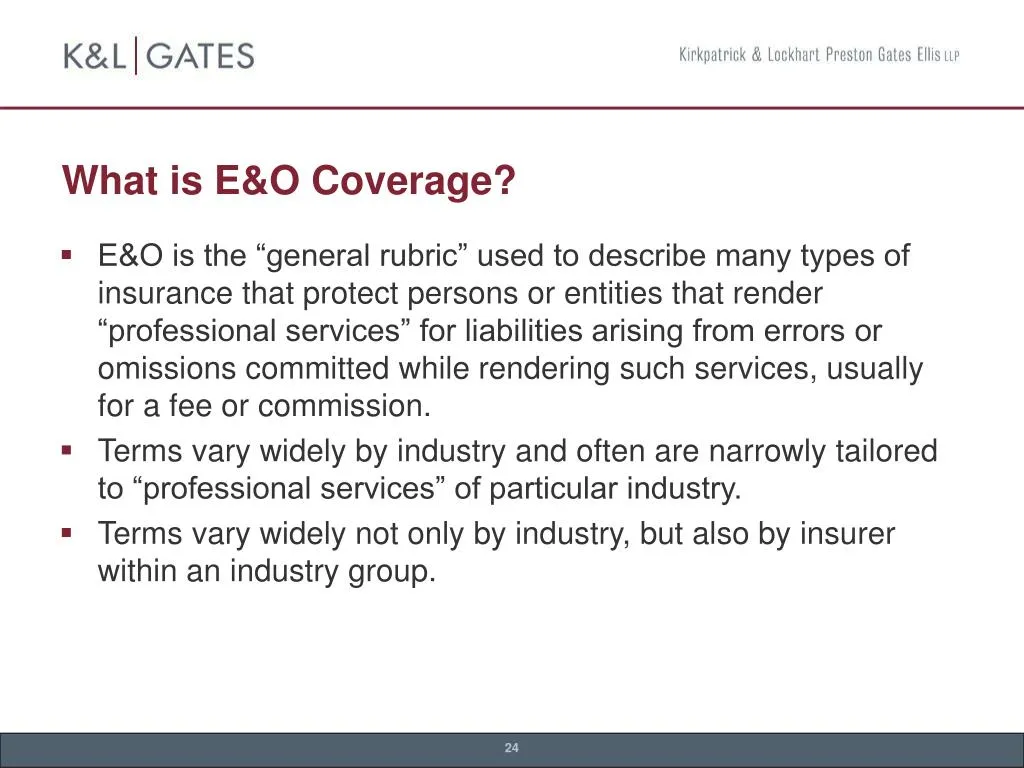
At its core, e&o insurance for real estate provides financial protection against claims alleging negligence, mistakes, or failure to perform professional duties. Unlike general liability insurance, which deals with bodily injury or property damage on premises, this specialized coverage focuses on the professional services you render. When a client alleges that your advice or actions caused a monetary loss, the policy can cover legal defense costs, settlements, or judgments, up to the limits you have purchased.
The policy typically includes two main components:
- Defense Costs – Legal fees, court expenses, and expert witness charges incurred while defending a claim.
- Indemnity – Payments made to satisfy a settlement or judgment if the claim is found valid.
Most carriers also offer optional extensions, such as coverage for punitive damages, claims arising from social media activity, or errors made by affiliated staff. These add-ons can be crucial in today’s digital environment where a single post can spark a dispute.
Key Considerations in e&o insurance for real estate
Choosing the right e&o insurance for real estate requires a careful assessment of several factors. Below are the most influential elements that shape a policy’s suitability:
- Scope of Practice – Agents who also act as property managers, leasing consultants, or investment advisors may need broader coverage than a traditional sales-only agent.
- Geographic Exposure – Regulations and legal precedents vary by state or region, influencing the likelihood and severity of claims.
- Policy Limits – While a $1 million limit may be sufficient for many solo agents, larger brokerages often opt for $2 million or higher to protect against multi‑claim scenarios.
- Deductibles – Higher deductibles can lower premiums but increase out‑of‑pocket costs when a claim arises.
- Claims-Made vs. Occurrence – Most e&o policies are claims‑made, meaning they cover claims filed while the policy is active, even if the incident occurred earlier. Continuity of coverage is therefore vital.
Understanding these variables helps you align the policy with the specific risks of your real‑estate practice.
Why Every Real Estate Professional Needs e&o Insurance

Legal disputes in real estate are not rare. According to industry surveys, a significant percentage of agents face at least one claim during their career. The financial impact of a single lawsuit can be devastating, especially for independent agents who lack the cushion of a corporate legal department. E&O insurance not only mitigates monetary loss but also provides peace of mind, allowing professionals to focus on serving clients rather than worrying about potential litigation.
Moreover, many brokerage firms and professional associations now require members to maintain a minimum level of e&o insurance as a condition of affiliation. This requirement reflects a broader industry acknowledgment that professional liability is an inherent part of the business.
Common Scenarios Covered by e&o insurance for real estate
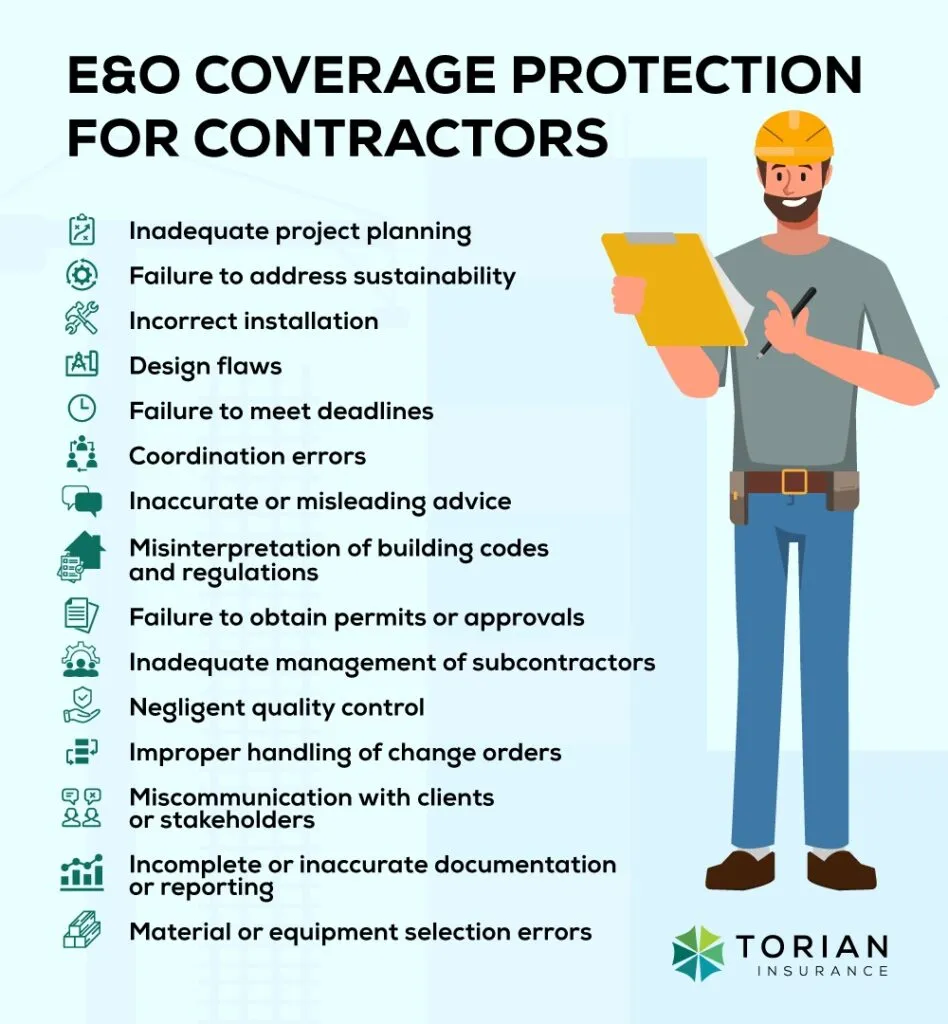
Below are typical claim triggers that e&o insurance for real estate is designed to address:
- Failure to Disclose Material Facts – Omitting information about a property’s condition, zoning restrictions, or pending litigation.
- Misrepresentation of Value – Providing an inaccurate market appraisal that leads a buyer to overpay.
- Negligent Transaction Management – Missing critical deadlines, mishandling escrow funds, or failing to submit required documentation.
- Improper Advice on Investment – Recommending a property that later proves financially unsound due to overlooked risks.
- Advertising Errors – Publishing incorrect property details that cause a buyer to incur additional costs.
Each of these situations can result in a claim that seeks compensation for the client’s alleged loss. A well‑structured e&o policy can defray the associated expenses, preserving the professional’s ability to stay in business.
How to Evaluate and Purchase the Right Policy

When you begin the search for e&o insurance for real estate, follow a systematic approach to ensure you make an informed decision:
Step 1: Assess Your Risk Profile
Start by listing the services you provide, the volume of transactions, and the jurisdictions you operate in. Consider past claims, even if they were dismissed, as they highlight potential vulnerabilities.
Step 2: Compare Multiple Quotes
Request proposals from at least three reputable carriers. Pay attention not only to premium costs but also to the breadth of coverage, exclusions, and the insurer’s claims handling reputation. A low‑cost policy may omit critical extensions that you later need.
Step 3: Review Policy Language Carefully
Insurance contracts are dense. Look for clauses that limit coverage for “known claims,” “contractual liability,” or “intentional wrongdoing.” If anything is unclear, ask the broker for clarification or seek legal advice.
Step 4: Verify Continuity Options
Because most e&o policies are claims‑made, it is essential to secure a “tail” endorsement when you retire or change carriers. This endorsement extends coverage for claims filed after the policy ends, protecting you from future surprises.
Step 5: Incorporate Risk Management Practices
Insurance is only one layer of protection. Implementing thorough documentation, double‑checking disclosures, and maintaining up‑to‑date training can reduce the likelihood of claims. Many insurers offer discounts for agents who complete risk‑management courses.
For a deeper dive into the coverage specifics that matter most to agents, see the article e&o Insurance for Real Estate Agents – Essential Coverage Explained. It outlines the core policy components and illustrates how they apply in everyday transactions.
Special Considerations for Brokers and Large Teams
Broker‑owned firms face additional complexities. Not only must they protect individual agents, but they also need to cover the brokerage itself against vicarious liability—claims arising from an agent’s mistake. Policies tailored for brokers often include higher aggregate limits, coverage for supervisory errors, and options for “non‑claims made” reporting periods.
Brokerage owners should also evaluate “wrap‑up” policies that provide a single, comprehensive solution for the entire firm. These can simplify administration and ensure consistent coverage across all personnel.
An excellent resource for brokers seeking a detailed roadmap is the Real Estate Broker E&O Insurance: A Comprehensive Guide. It walks through the unique exposures faced by brokerages and recommends best‑practice policy structures.
Cost Factors and Premium Estimation
Premiums for e&o insurance for real estate are influenced by several variables, including:
- Annual revenue or commission volume
- Number of licensed agents under the brokerage
- Claims history and loss experience
- Selected limits and deductible amounts
- Geographic territory and regulatory environment
Typical premiums for a solo agent range from $400 to $1,200 per year for a $1 million limit, while larger brokerages may pay several thousand dollars annually. While price is an important factor, it should not outweigh the need for comprehensive protection.
Integrating e&o Insurance with Overall Business Strategy
Professional liability coverage should be viewed as part of a broader risk‑management framework. Combining e&o insurance with other policies—such as general liability, cyber liability, and workers’ compensation—creates a multi‑layered defense against diverse threats.
Additionally, many agents use client contracts and disclosure forms to allocate risk and clarify responsibilities. Clear communication, thorough documentation, and regular training reinforce the safety net that insurance provides.
Common Misconceptions About e&o Insurance for Real Estate
Despite its importance, several myths persist:
- “I’m too small to be sued.” – Even a single transaction can generate a claim if a client feels harmed.
- “My brokerage’s policy covers me automatically.” – Individual agents often need separate coverage, especially when working independently.
- “All policies are the same.” – Coverage limits, exclusions, and extensions vary widely among carriers.
- “I can rely on a single claims‑made policy forever.” – When you change carriers, you must secure a tail endorsement to preserve protection.
Debunking these misconceptions helps professionals make informed choices and avoid costly gaps in coverage.
Future Trends in e&o Insurance for Real Estate
The insurance landscape evolves alongside technology and market dynamics. Emerging trends include:
- Usage‑Based Pricing – Insurers are experimenting with premium models that reflect actual transaction volume or digital activity.
- Cyber Extensions – As agents rely more on cloud‑based CRMs and virtual tours, policies are adding coverage for data breaches and cyber‑related claims.
- AI‑Driven Underwriting – Advanced analytics help insurers assess risk more precisely, potentially lowering costs for low‑risk agents.
Staying aware of these developments ensures that your e&o insurance for real estate remains aligned with the changing risk profile of the industry.
In summary, e&o insurance for real estate is not a luxury—it is a fundamental component of a sustainable professional practice. By understanding the types of coverage, evaluating risk, and selecting a policy that matches your specific needs, you protect both your livelihood and the trust that clients place in you. Investing time in risk management, maintaining accurate records, and staying current with industry trends further reinforce the shield that e&o insurance provides.