Table of Contents
- Healthcare Policy and Contract Management Software: Core Functions and Benefits
- Key Features of Healthcare Policy and Contract Management Software
- How Healthcare Policy and Contract Management Software Supports Regulatory Compliance
- Integrating Healthcare Policy and Contract Management Software with Existing Systems
- Implementation Best Practices for Healthcare Policy and Contract Management Software
- 1. Conduct a Comprehensive Needs Assessment
- 2. Choose a Scalable, Cloud‑Based Solution
- 3. Pilot with a Single Department
- 4. Provide Role‑Specific Training
- 5. Establish Governance and Continuous Improvement
- Impact on Organizational Efficiency and Patient Care
- Future Trends: AI‑Driven Insights and Predictive Analytics
In an era where regulations evolve at a rapid pace and health organizations juggle complex agreements, the need for robust technology solutions has never been clearer. Healthcare providers, insurers, and ancillary service vendors all rely on precise documentation to protect patients, manage costs, and maintain regulatory compliance. This is where healthcare policy and contract management software steps in, offering a digital backbone that connects policy guidelines with the contractual obligations of every stakeholder.
The transition from paper‑based filing systems to integrated platforms has reshaped the administrative landscape of the medical field. By centralizing policy documents, automating contract lifecycles, and providing real‑time visibility into compliance status, these tools reduce manual errors and free up staff to focus on patient care. The following discussion delves into the core components, benefits, and implementation considerations of healthcare policy and contract management software, illustrating why it has become a strategic asset for modern health institutions.
Understanding the interplay between policy enforcement and contract administration is essential for any organization seeking to stay ahead of regulatory scrutiny while maintaining operational efficiency. Below, we examine the key dimensions of this technology and how it aligns with broader digital transformation initiatives.
Healthcare Policy and Contract Management Software: Core Functions and Benefits
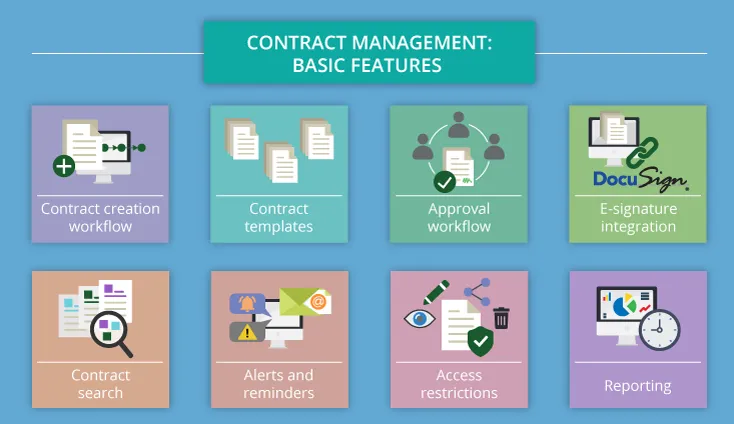
At its foundation, healthcare policy and contract management software provides a unified repository for all policy documents and contracts. The platform typically includes the following capabilities:
- Secure storage and version control for policies, statutes, and contract clauses.
- Automated workflow engines that route contracts for review, approval, and execution.
- Compliance monitoring tools that flag policy violations or upcoming renewal dates.
- Analytics dashboards that surface insights on contract performance, spend, and risk exposure.
- Integration points with electronic health record (EHR) systems, procurement modules, and financial ERP solutions.
By consolidating these functions, organizations experience measurable improvements in speed, accuracy, and risk management. For example, a hospital network that adopted a comprehensive contract management system reported a 30 % reduction in contract cycle time and a 25 % decrease in compliance-related penalties within the first year.
Key Features of Healthcare Policy and Contract Management Software
When evaluating potential solutions, decision‑makers should focus on the following feature set, each of which directly supports the overarching goal of aligning policy with contractual obligations:
- Dynamic Policy Libraries: A searchable, categorized library that allows users to retrieve the latest version of any regulatory guideline or internal policy instantly.
- Clause Library and Reuse: Pre‑approved contract language that can be dragged and dropped into new agreements, ensuring consistency and legal soundness.
- Automated Alerts & Renewals: Calendar‑based notifications that warn stakeholders of upcoming expirations, renegotiation windows, or policy changes that may affect existing contracts.
- Role‑Based Access Control (RBAC): Granular permissions that ensure only authorized personnel can view, edit, or approve sensitive documents.
- Audit Trails & Reporting: Immutable logs that record every action taken on a document, supporting audit readiness and regulatory reporting.
- Integration APIs: Seamless connectivity to existing health IT ecosystems, including EHRs, billing platforms, and supplier portals.
These capabilities are not merely technical niceties; they translate into tangible outcomes such as faster contract execution, reduced legal exposure, and improved alignment with ever‑changing healthcare policies.
How Healthcare Policy and Contract Management Software Supports Regulatory Compliance
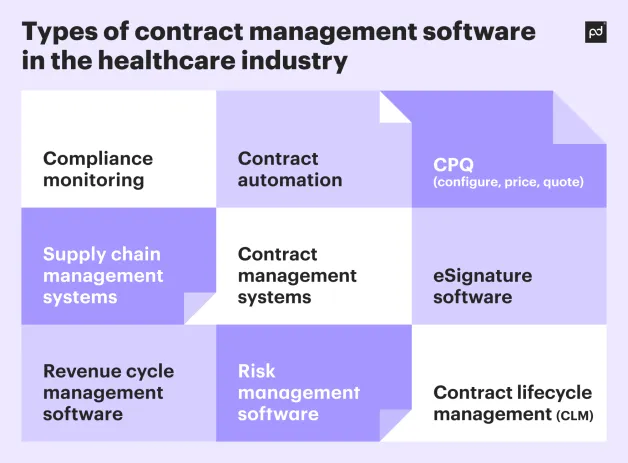
Regulatory frameworks such as the Health Insurance Portability and Accountability Act (HIPAA), the Affordable Care Act (ACA), and various state‑level statutes impose strict requirements on how patient data and financial arrangements are handled. Non‑compliance can result in hefty fines, loss of accreditation, and damage to reputation. The software acts as a compliance enabler in several ways:
- Policy Mapping: By linking specific contract clauses to corresponding regulatory provisions, the system highlights gaps before contracts are signed.
- Real‑Time Monitoring: Continuous scanning of active contracts against updated policy libraries ensures that any regulatory amendment triggers an immediate review.
- Document Retention Schedules: Automated enforcement of record‑keeping timelines prevents accidental deletions that could jeopardize audit readiness.
- Secure Collaboration: Encrypted workflows allow legal, compliance, and clinical teams to collaborate without exposing sensitive data.
For instance, a regional health insurer leveraged the policy‑contract mapping feature to align its provider agreements with the latest ACA reimbursement rules, thereby avoiding a potential $2 million penalty during the subsequent audit.
Integrating Healthcare Policy and Contract Management Software with Existing Systems
Most health organizations already operate a suite of digital tools—EHRs, practice management systems, and financial ERP platforms. Successful implementation hinges on the ability of healthcare policy and contract management software to integrate seamlessly with these existing solutions. Common integration scenarios include:
- Synchronizing provider credentialing data from the EHR with contract eligibility checks.
- Linking purchase orders generated in the procurement module to corresponding vendor contracts stored in the management platform.
- Feeding compliance dashboards into the organization’s broader risk management suite for unified reporting.
When planning integration, it is advisable to start with a clear data‑flow diagram, identify APIs offered by each system, and involve IT, legal, and operations teams early in the project. This collaborative approach minimizes disruption and accelerates user adoption.
Implementation Best Practices for Healthcare Policy and Contract Management Software
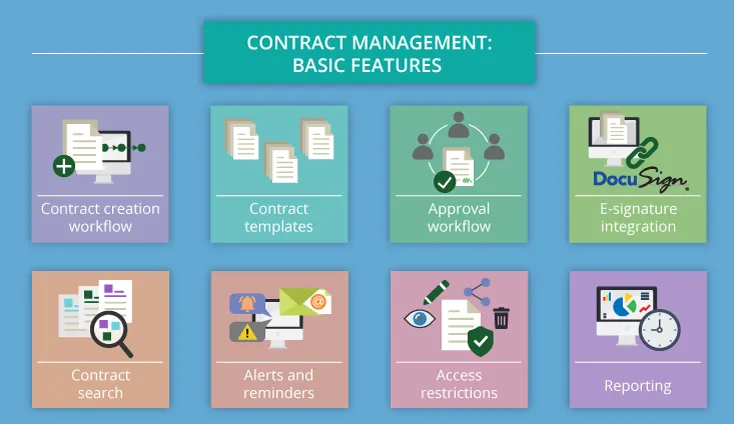
Adopting a new software platform is a strategic initiative that requires careful planning. Below are proven steps that help organizations realize the full potential of healthcare policy and contract management software while mitigating common pitfalls.
1. Conduct a Comprehensive Needs Assessment
Begin by cataloging all contract types—provider agreements, supply contracts, service level agreements, and research collaborations. Simultaneously, inventory all relevant policies and regulatory mandates. Mapping these elements uncovers gaps and informs the selection of a solution that addresses both policy and contract dimensions.
2. Choose a Scalable, Cloud‑Based Solution
Cloud deployment offers flexibility, automatic updates, and reduced infrastructure overhead—critical factors for health systems that must adapt quickly to policy changes. For organizations evaluating broader cloud strategies, consider reading Cloud Based Veterinary Practice Management Software – A Complete Overview for insights on cloud adoption in a related healthcare field.
3. Pilot with a Single Department
Running a pilot in a controlled environment—such as the procurement department—allows teams to refine workflows, gather feedback, and demonstrate ROI before full‑scale rollout. Metrics to track include cycle‑time reduction, error rates, and user satisfaction scores.
4. Provide Role‑Specific Training
Because the platform serves legal, compliance, finance, and clinical users, tailor training sessions to each role’s responsibilities. Emphasize how the software simplifies daily tasks—such as automated alerts for contract renewals or instant access to the latest policy updates.
5. Establish Governance and Continuous Improvement
Form a cross‑functional governance committee that meets quarterly to review system performance, address policy changes, and prioritize enhancements. This ensures the software evolves alongside the organization’s strategic objectives.
Impact on Organizational Efficiency and Patient Care
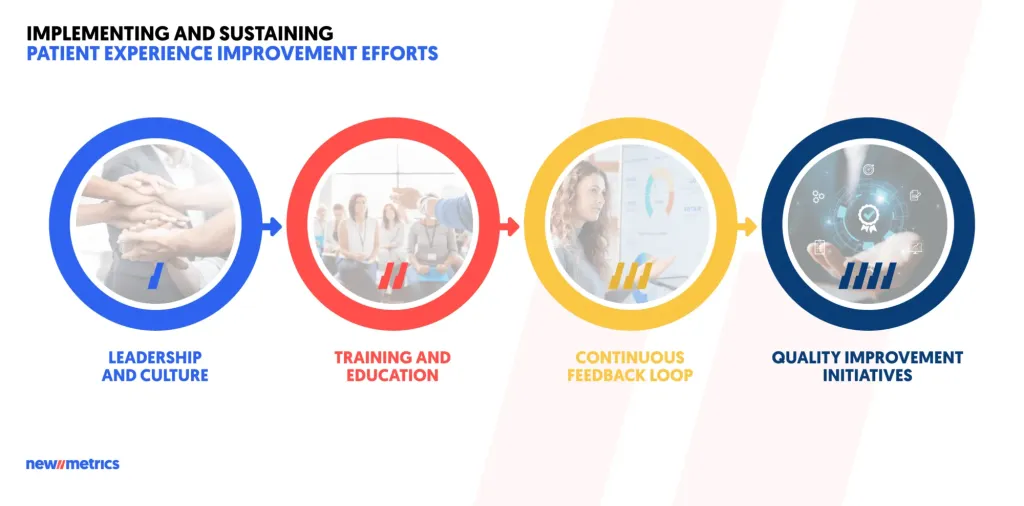
While the primary purpose of healthcare policy and contract management software is administrative, the downstream effects on patient care are profound. Faster contract execution means new service lines can be launched more quickly, expanding access to care. Improved compliance reduces the risk of service disruptions caused by regulatory penalties. Moreover, the data generated by the platform—such as spend analytics and contract performance metrics—empowers leadership to make evidence‑based decisions that ultimately improve health outcomes.
Consider the case of a mid‑size health network that integrated its contract management system with a Payroll Software for Medium Sized Business – A Comprehensive Guide. By aligning provider compensation contracts with payroll processing, the network cut payroll errors by 40 % and redirected administrative hours toward direct patient interaction.
Another illustration involves a small clinic that adopted a unified solution for both human resources and contract oversight, similar to the approach described in Human Resources Software for Small Businesses – A Complete Guide. The clinic achieved a 20 % reduction in overhead costs by consolidating duplicate systems and automating compliance checks.
Future Trends: AI‑Driven Insights and Predictive Analytics
Emerging technologies are poised to augment healthcare policy and contract management software further. Artificial intelligence can analyze contract language to predict risk, suggest optimal negotiation terms, and even flag clauses that may become non‑compliant under anticipated regulatory changes. Predictive analytics, fed by historical spend and utilization data, can guide contract renegotiations to achieve better pricing and service quality.
As health ecosystems become increasingly data‑centric, the synergy between policy enforcement and contract lifecycle management will deepen. Organizations that invest early in adaptable, AI‑ready platforms will be better positioned to navigate the complexities of tomorrow’s regulatory landscape.
In summary, healthcare policy and contract management software serves as a critical enabler for compliance, efficiency, and strategic decision‑making in the health sector. By centralizing documents, automating workflows, and integrating with existing health IT infrastructure, these platforms help organizations reduce risk, accelerate operations, and ultimately deliver higher quality care to patients.