[URL]: working-capital-loans-for-small-business
Running a small business means juggling inventory, payroll, rent, and countless unexpected expenses. Even the most disciplined entrepreneurs can face short‑term cash gaps that threaten daily operations. When revenue is delayed or seasonal demand fluctuates, having quick access to funds can be the difference between staying afloat and missing a critical opportunity.
One financial tool designed specifically for these situations is the working capital loan. Unlike long‑term debt that finances equipment or real estate, a working capital loan injects liquidity directly into the business’s operating cycle. It can cover anything from supplier invoices to marketing campaigns, allowing owners to maintain momentum while waiting for customer payments.
In the sections that follow, we will explore the mechanics of working capital loans for small business, outline the key eligibility factors, compare the most common loan types, and provide a step‑by‑step roadmap for securing the right financing solution.
What Are Working Capital Loans for Small Business?
Working capital loans for small business are short‑term financing products that replenish a company’s day‑to‑day cash flow. They are typically unsecured, meaning they do not require collateral such as real estate or equipment, and are repaid over a period ranging from a few months to a few years. Because the focus is on liquidity rather than asset acquisition, lenders evaluate the borrower’s cash‑flow health, revenue consistency, and creditworthiness rather than the value of physical assets.
These loans can be especially valuable during periods of rapid growth, seasonal slow‑downs, or when a business needs to bridge the gap between purchasing inventory and receiving payment from customers. By providing immediate funds, they enable owners to keep production lines running, meet payroll on time, and even invest in marketing initiatives that generate additional revenue.
Eligibility Criteria for Working Capital Loans for Small Business
- Revenue History: Most lenders require at least six to twelve months of consistent monthly revenue. This demonstrates the business’s ability to generate cash flow that can service the loan.
- Credit Score: While unsecured loans often have higher interest rates, a personal or business credit score above 600 generally improves approval odds.
- Time in Business: Companies that have operated for at least one year are viewed as less risky, though some alternative lenders accept newer businesses with strong cash‑flow projections.
- Bank Statements: Lenders will review recent bank statements to assess cash‑flow patterns and verify the revenue figures reported on the application.
- Industry Risk: Certain sectors—such as construction, hospitality, or retail—may be subject to higher scrutiny due to seasonal fluctuations.
Meeting these criteria does not guarantee approval, but it positions a small business to negotiate more favorable terms. Prospective borrowers should also be prepared to provide a concise business plan that outlines how the loan will be used to generate additional cash flow.
Types of Working Capital Loans for Small Business
Not all working capital loans are created equal. The market offers several structures, each with its own advantages and trade‑offs:
- Line of Credit (LOC): Provides a revolving credit limit that the business can draw from as needed. Interest is paid only on the amount used, making it a flexible option for ongoing cash‑flow management.
- Term Loan: A lump‑sum amount disbursed upfront with a fixed repayment schedule. This is useful when a specific project—such as inventory purchase—requires a known amount of funding.
- Invoice Financing: Allows businesses to sell outstanding invoices to a lender at a discount, converting receivables into immediate cash.
- Merchant Cash Advance (MCA): Advances a percentage of future credit‑card sales. Repayment fluctuates with sales volume, which can be helpful for businesses with variable revenue.
- Equipment Leasing with Working Capital Component: Some leasing arrangements bundle a working‑capital portion, letting owners finance equipment while also receiving cash for operational needs.
Choosing the right type depends on how quickly the funds are needed, the predictability of cash flow, and the cost tolerance of the business. For instance, a line of credit may be more cost‑effective for ongoing expenses, while a term loan could be preferable for a one‑time inventory restock.
How to Apply for Working Capital Loans for Small Business
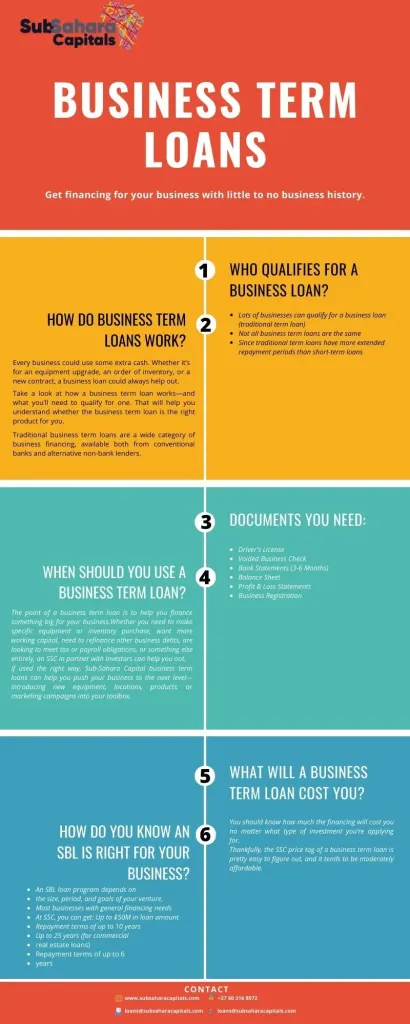
The application process has become increasingly streamlined, especially with the rise of fintech platforms that offer near‑instant approvals. Below is a practical roadmap that small‑business owners can follow:
- Gather Documentation: Compile recent bank statements, tax returns, profit and loss statements, and any existing loan agreements. Having a clean set of documents speeds up underwriting.
- Assess Your Credit Profile: Obtain a copy of your personal and business credit reports. Address any errors before you submit an application.
- Define the Funding Purpose: Clearly articulate why you need the loan and how the capital will improve cash flow or generate revenue. Lenders appreciate specificity.
- Compare Lenders: Look at interest rates, fees, repayment terms, and prepayment penalties. Online marketplaces can provide side‑by‑side comparisons.
- Submit the Application: Fill out the lender’s online form, attach the required documents, and answer any additional questionnaire about your business model.
- Review the Offer: Once approved, examine the loan agreement carefully. Pay attention to the APR, any origination fees, and the exact repayment schedule.
- Accept and Disburse: After signing, funds are typically deposited directly into your business bank account within a few business days.
While the process can feel daunting, many lenders provide dedicated account managers who guide applicants through each step. Their expertise can be especially valuable when negotiating terms or clarifying repayment structures.
Cost Considerations for Working Capital Loans for Small Business
The total cost of borrowing goes beyond the headline interest rate. Small business owners should evaluate the following components:
- Annual Percentage Rate (APR): Incorporates interest, fees, and any other costs, providing a true picture of the loan’s expense.
- Origination Fees: Some lenders charge a flat fee or a percentage of the loan amount at disbursement.
- Late Payment Penalties: Understand the fees associated with missed or delayed payments, as they can quickly increase the effective cost.
- Prepayment Penalties: Certain lenders impose fees for early repayment, which can negate the benefit of paying down debt faster.
Being aware of these elements helps businesses avoid surprise expenses and choose the most economical financing solution.
Strategic Uses of Working Capital Loans for Small Business
When applied thoughtfully, working capital loans can be a catalyst for sustainable growth. Below are common strategic uses that align with a business’s long‑term objectives:
- Inventory Management: Purchasing bulk inventory at discounted rates reduces per‑unit costs and improves profit margins.
- Seasonal Staffing: Hiring temporary employees during peak periods ensures service quality without overcommitting to payroll year‑round.
- Marketing Campaigns: Funding targeted advertising—such as pay‑per‑click or social media ads—can quickly boost sales and improve cash inflow.
- Technology Upgrades: Investing in point‑of‑sale systems, inventory software, or e‑commerce platforms streamlines operations and expands market reach.
- Debt Consolidation: Using a working capital loan to pay off higher‑interest credit lines can lower overall financing costs.
Each of these applications directly ties the borrowed funds to an increase in revenue or efficiency, making repayment more manageable.
Risk Management Tips When Using Working Capital Loans for Small Business
- Maintain a detailed cash‑flow forecast to ensure you can meet repayment obligations.
- Set aside a reserve fund for unexpected expenses, reducing reliance on additional borrowing.
- Monitor key performance indicators (KPIs) such as days sales outstanding (DSO) and inventory turnover to gauge the loan’s impact.
- Regularly review loan statements to catch any hidden fees early.
- Consider the tax implications of interest expense, which may be deductible.
Applying these practices helps safeguard the business from over‑leveraging while still taking advantage of the liquidity boost that working capital loans provide.
Alternative Financing Options to Consider
While working capital loans are a popular choice, they are not the sole avenue for short‑term financing. Depending on the business’s profile, alternatives such as merchant cash advances, peer‑to‑peer lending, or even community development financial institution (CDFI) loans may offer more favorable terms.
Understanding the full landscape enables owners to make informed decisions that align with their risk tolerance and growth strategy. For instance, a merchant cash advance might be suitable for a retail store with high credit‑card sales, whereas a line of credit could better serve a service‑based firm with fluctuating expenses.
Real‑World Example: How a Small Retailer Used a Working Capital Loan
Imagine a boutique clothing shop that experiences a surge in demand each spring. The owner anticipates a $30,000 inventory purchase to stock the new collection, but the current cash reserves cover only $12,000. By securing a $20,000 working capital loan with a six‑month term, the retailer can acquire the full inventory, launch a targeted social‑media campaign, and meet payroll without dipping into emergency funds.
After the spring season, the shop sees a 25% increase in sales, generating enough cash flow to comfortably repay the loan and retain a surplus for the next quarter. This scenario illustrates how a well‑timed working capital loan can transform a seasonal opportunity into a profitable growth cycle.
Common Mistakes to Avoid When Applying for Working Capital Loans for Small Business

- Borrowing More Than Needed: Over‑financing can lead to unnecessary interest expense and higher debt levels.
- Ignoring the Fine Print: Overlooking prepayment penalties or variable interest clauses can result in unexpected costs.
- Failing to Align the Loan with a Clear Business Goal: Funding vague or non‑essential expenses reduces the likelihood of a positive return on investment.
- Neglecting Credit Health: A low credit score can limit options and increase borrowing costs; proactive credit management is essential.
- Not Comparing Multiple Lenders: Relying on the first offer often means missing out on better rates or more flexible terms.
By steering clear of these pitfalls, small businesses can leverage working capital loans more effectively and maintain financial stability.
Learning from Related Financial Topics
While exploring financing options, many entrepreneurs also encounter concepts such as capitalized interest on student loans, which can affect personal credit scores and borrowing capacity. Understanding capitalized interest on student loans helps business owners manage their overall debt profile. Similarly, knowing how to cancel a loan application can save time and avoid unnecessary credit inquiries if a chosen lender does not meet expectations.
Integrating this broader financial awareness ensures that the decision to obtain a working capital loan for small business aligns with the entrepreneur’s complete financial picture.
In summary, working capital loans for small business serve as a versatile tool that addresses short‑term cash‑flow challenges while supporting strategic growth initiatives. By assessing eligibility, selecting the appropriate loan type, and adhering to disciplined repayment practices, owners can turn temporary liquidity gaps into lasting opportunities.
Whether you are preparing for a seasonal surge, seeking to streamline operations, or simply need a financial cushion, the right working capital loan can empower your business to thrive in a competitive market.