
Credit card processing high risk merchant operations is a journey that begins with a single transaction and quickly expands into a complex web of regulations, fees, and technology. For many entrepreneurs, the first swipe of a card feels like a triumph—a sign that the business is ready to scale. Yet, for merchants classified as high‑risk, that triumph often comes with hidden hurdles that can erode profit margins and jeopardize the entire operation.
In this article we follow the story of a fictional online retailer, “EcoGear,” that sells niche outdoor equipment. EcoGear’s products are popular, but because of a high charge‑back rate and a cross‑border sales model, the payment processor flags the business as high‑risk. By tracing EcoGear’s steps—from the moment they search for a processor to the strategies they employ to keep fees low—we uncover the essential principles that every high‑risk merchant should know.
Understanding the landscape of high‑risk credit card processing is not just about avoiding pitfalls; it is about building a sustainable payment ecosystem that supports growth, protects cash flow, and meets the expectations of today’s consumers. Let’s explore how high‑risk merchants can navigate this terrain with confidence.
What Defines a High‑Risk Merchant?

A high‑risk merchant is typically identified by the acquiring banks and payment processors based on several factors:
- Industry reputation (e.g., travel, gaming, CBD, digital goods)
- Historical charge‑back ratios exceeding industry averages
- High average transaction values or frequent cross‑border sales
- Rapid growth or inconsistent sales patterns
These characteristics signal a higher probability of fraud or financial loss for the processor, prompting stricter underwriting and higher fees. For EcoGear, the combination of a niche market and a 3.5% charge‑back rate placed them squarely in the high‑risk category.
Core Challenges in High‑Risk Credit Card Processing
High‑risk merchants face a set of interrelated challenges that differentiate their payment experience from low‑risk businesses.
Elevated Transaction Fees
Because processors assume greater risk, they often charge a higher interchange‑plus markup, ranging from 3% to 5% per transaction, plus additional per‑transaction fees. Over time, these costs can significantly erode margins, especially for businesses with low‑profit products.
Limited Processor Options
Many traditional banks refuse to service high‑risk accounts, leaving merchants to work with specialized high‑risk processors. These niche providers may offer fewer integration options or less robust customer support, forcing merchants to compromise on technology.
Stringent Underwriting Requirements
High‑risk merchants must submit extensive documentation—financial statements, business plans, and sometimes personal guarantees. The approval timeline can extend from days to weeks, delaying the launch of new sales channels.
Higher Charge‑Back Liability
When a dispute occurs, high‑risk merchants often bear the full cost of the charge‑back, including the original transaction amount, the processor’s charge‑back fee, and any associated penalties. This risk amplifies the importance of proactive fraud prevention.
Choosing the Right Processor: A Strategic Decision
Finding a partner that balances risk tolerance with competitive pricing is crucial. EcoGear’s turning point came when they consulted a detailed guide titled Choosing the right partner and reducing fees for high‑risk merchants. The guide highlighted three core criteria:
- Transparent Pricing Structure: Look for processors that clearly separate interchange fees from their markup.
- Robust Fraud Tools: Real‑time fraud detection, address verification (AVS), and CVV checks reduce charge‑backs.
- Scalable Integration Options: APIs, hosted checkout pages, and plugins for e‑commerce platforms ensure flexibility as the business grows.
After evaluating several providers, EcoGear selected a processor that offered a flat 2.9% + $0.30 per transaction fee, coupled with an advanced fraud suite. This choice not only lowered costs but also gave them the data insights needed to monitor risk in real time.
Tips for Vetting Processors
- Request a detailed fee schedule and ask about hidden charges.
- Verify the processor’s PCI‑DSS compliance and data security certifications.
- Ask for references from other high‑risk merchants in your industry.
- Test the integration in a sandbox environment before committing.
Reducing Fees Without Compromising Service
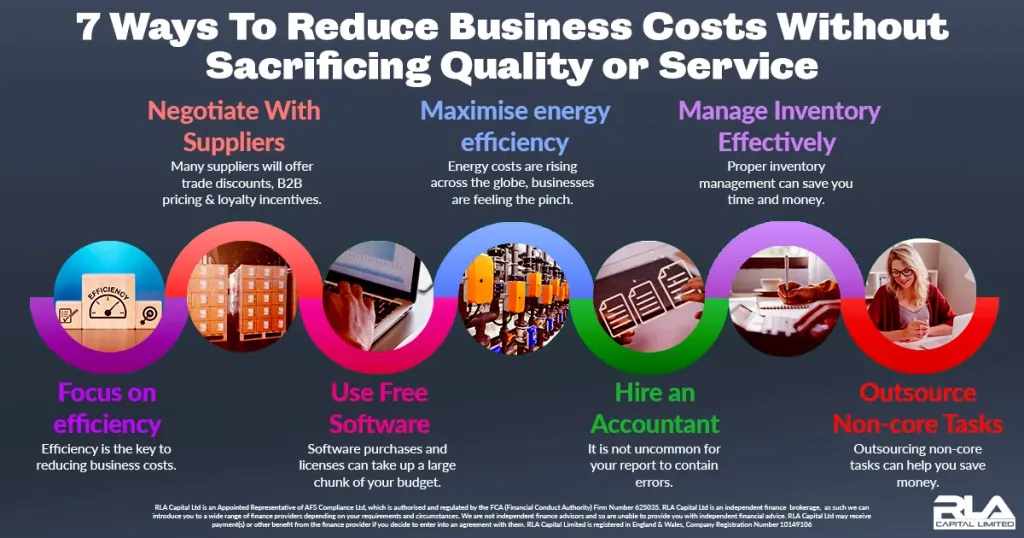
Even with a competitive processor, high‑risk merchants can still trim expenses by optimizing operational practices.
Optimize Transaction Types
Processing more “keyed‑in” transactions (manual entry) typically incurs higher fees than card‑present or tokenized online payments. Encouraging customers to use saved payment tokens reduces the processor’s risk profile and can lead to lower per‑transaction rates.
Negotiate Charge‑Back Thresholds
Some processors allow merchants to negotiate higher charge‑back tolerance levels in exchange for a modest fee increase. For EcoGear, raising the threshold from 2% to 3% saved them $5,000 annually in charge‑back penalties.
Leverage Volume Discounts
If a merchant can demonstrate consistent monthly processing volume, many high‑risk processors will offer tiered discounts. EcoGear bundled seasonal spikes into a 12‑month average, qualifying for a 0.15% discount on the markup.
Compliance and Regulatory Considerations
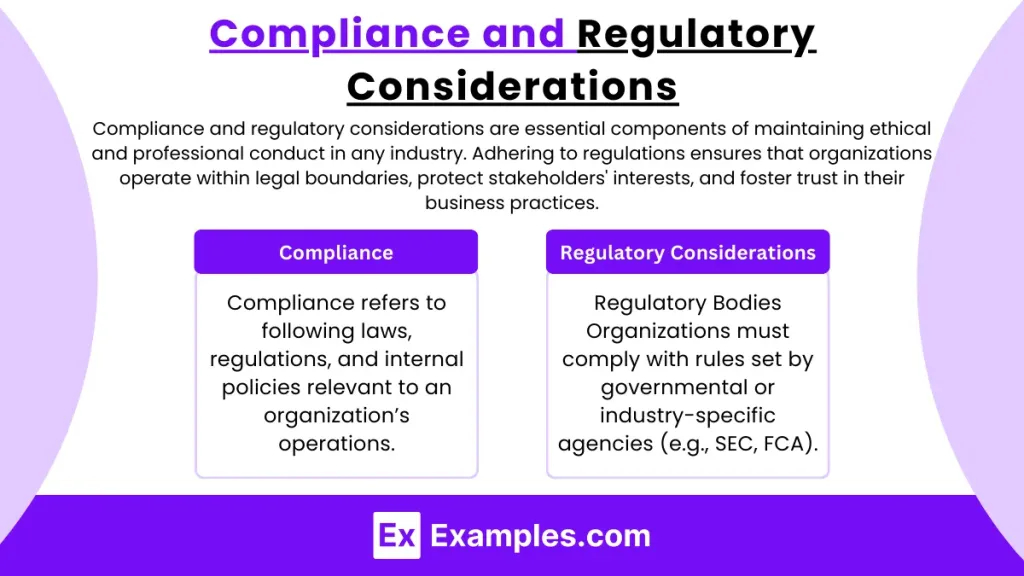
High‑risk merchants must stay vigilant about compliance to avoid costly fines and potential account termination.
PCI‑DSS Compliance
All merchants handling cardholder data must adhere to the Payment Card Industry Data Security Standard. High‑risk merchants often undergo a stricter Self‑Assessment Questionnaire (SAQ) due to their elevated risk profile.
Know Your Customer (KYC) and Anti‑Money Laundering (AML)
Regulators require merchants to verify the identity of their customers, especially when dealing with high‑value or cross‑border transactions. Implementing automated KYC tools can streamline this process.
State and International Regulations
Depending on the merchant’s location, state-level laws (e.g., California Consumer Privacy Act) and international standards (e.g., GDPR) may impact how payment data is stored and processed. EcoGear integrated a privacy management platform to ensure compliance across all jurisdictions.
Technology Solutions That Empower High‑Risk Merchants
Advancements in fintech have introduced tools that specifically address the pain points of high‑risk credit card processing.
Tokenization and Digital Wallets
By replacing sensitive card data with a token, merchants reduce exposure to fraud. Tokenized transactions are often classified as lower risk, which can translate into reduced fees.
Machine‑Learning Fraud Detection
Modern processors employ AI models that analyze transaction patterns in real time, flagging anomalies before they become charge‑backs. EcoGear’s processor integrated such a model, resulting in a 27% drop in fraudulent attempts within three months.
Integrated Payment Platforms
Some providers bundle payment processing with additional services—such as invoicing, recurring billing, and analytics—into a single dashboard. This consolidation simplifies operations and can lower overall technology spend.
Related Tools for Business Growth
Beyond payment processing, high‑risk merchants often need reliable banking solutions. For example, entrepreneurs looking to streamline their finances can open a business bank account online using modern fintech platforms that cater to high‑risk industries.
Real‑World Example: Implementing a High‑Risk Strategy
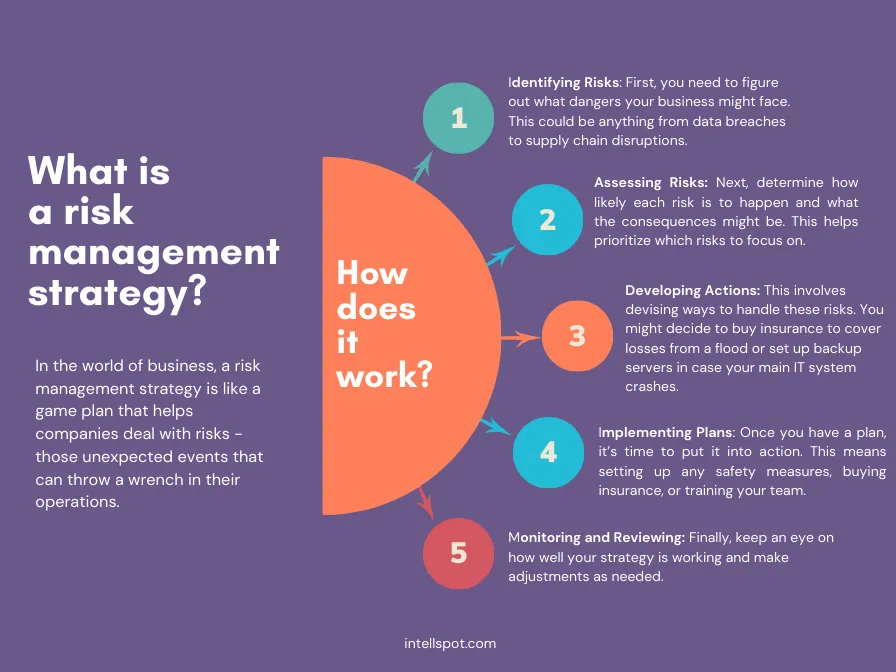
EcoGear’s roadmap provides a practical template for other merchants:
- Assess Risk Profile: Conduct a charge‑back analysis and compare industry benchmarks.
- Source Processors: Use the criteria from the “Choosing the right partner” guide to shortlist candidates.
- Negotiate Terms: Leverage volume projections and charge‑back thresholds during negotiations.
- Integrate Technology: Deploy tokenization and AI‑driven fraud detection tools.
- Monitor and Optimize: Review monthly statements, track fee changes, and adjust strategies as needed.
Within six months, EcoGear reduced its average processing fee by 0.35%, cut charge‑backs by 30%, and achieved a 12% increase in net profit—all without sacrificing customer experience.
Future Outlook for High‑Risk Credit Card Processing

The high‑risk payment landscape is evolving rapidly. Emerging trends include:
- Decentralized Finance (DeFi) Integration: Some high‑risk merchants are exploring crypto‑based settlements to bypass traditional banking restrictions.
- Regulatory Sandbox Programs: Governments are launching sandbox initiatives that allow innovative payment solutions to be tested under relaxed regulations.
- Enhanced Data Sharing: Collaborative fraud databases enable processors to share real‑time threat intelligence across the industry.
While these developments promise new opportunities, they also underscore the need for merchants to stay adaptable and informed. The businesses that succeed will be those that balance risk mitigation with strategic investment in technology and partnerships.
In summary, high‑risk merchants like EcoGear can turn what appears to be a daunting obstacle into a competitive advantage. By understanding the unique challenges, selecting a transparent processor, leveraging modern fraud tools, and staying compliant, they can lower fees, protect revenue, and position themselves for sustainable growth in a digital economy.