
In the fast‑paced world of forex trading, every millisecond counts. Traders who rely on a VPS server for forex trading gain a decisive edge by executing orders instantly, maintaining uninterrupted connections, and shielding their platforms from local internet hiccups. The combination of low latency, high reliability, and robust security makes virtual private servers a cornerstone of modern trading strategies.
Imagine you are about to place a critical trade on a major news release. Your home internet suddenly drops, or your computer freezes for a second. That brief pause can turn a profitable position into a loss. By hosting your trading terminal on a VPS located in a data center close to your broker’s servers, you eliminate most of those risks. The VPS runs 24/7, insulated from power outages and ISP throttling, ensuring your orders are sent the moment you click “Buy” or “Sell.”
Beyond speed, a VPS also offers a controlled environment where you can install custom scripts, expert advisors, and security tools without interfering with your personal device. This flexibility is why professional traders, hedge funds, and algorithmic developers increasingly migrate their operations to virtual servers.
Why VPS Is Critical for Forex Trading

Forex markets operate 24 hours a day, five days a week, across multiple time zones. To stay competitive, traders must maintain a constant online presence. A VPS provides:
- Near‑zero downtime: Hosted in professional data centers with redundant power and network connections.
- Reduced latency: Proximity to broker servers cuts the round‑trip time of trade orders.
- Enhanced security: Isolated environment protects against malware and DDoS attacks.
- Scalability: Resources can be upgraded as trading volume or algorithm complexity grows.
Low Latency Explained
Latency is the delay between sending an order and its execution. In forex, where prices can swing by a few pips in milliseconds, lower latency translates directly into better fill prices. A VPS located in the same city as your broker’s data center often reduces latency from 40‑50 ms (typical home connection) to under 10 ms. This improvement is measurable in the execution logs of most platforms, and many brokers publish latency statistics for popular VPS locations.
Uninterrupted Connectivity
Home internet connections are vulnerable to ISP maintenance, Wi‑Fi interference, and power outages. While a UPS can protect against brief power loss, it cannot guarantee a stable internet link. VPS providers, on the other hand, use multiple carrier connections and automatic failover mechanisms. Even if one fiber line fails, traffic is rerouted through another, keeping your trading terminal online.
Security Benefits
Forex platforms are lucrative targets for cyber‑criminals. A VPS isolates your trading software from the rest of your personal devices, reducing the attack surface. Many providers also offer built‑in firewalls, DDoS mitigation, and optional VPN access. For a deeper dive into securing your VPS, see the guide on Secure VPS Server with VPN Access – The Complete Guide to Unbreakable Online Privacy.
Key Features to Look for in a Forex VPS

Not all VPS solutions are created equal. When evaluating a provider, focus on the following criteria:
- Geographic proximity to brokers: Choose a data center close to the servers of your primary broker(s).
- Latency benchmarks: Look for published ping times or request a trial to test latency yourself.
- CPU and RAM specifications: Expert advisors (EAs) and high‑frequency strategies demand sufficient processing power.
- SSD storage: Faster read/write speeds improve platform loading times and data logging.
- Network redundancy: Multiple uplinks and carrier diversity are essential for uptime.
- Scalable plans: Ability to upgrade resources without migrating to a new server.
- Customer support: 24/7 technical assistance can be a lifesaver during critical trading windows.
Choosing the Right Operating System
Most forex platforms run on Windows, but some traders prefer Linux for its stability and lower cost. If you run MetaTrader 5 (MT5) or MetaTrader 4 (MT4), a Windows VPS is typically required. However, you can also use Wine or a virtual machine to run Windows applications on a Linux host if you are comfortable with advanced configuration.
Integrated VPN Services
Some VPS providers bundle a VPN directly into the server package, simplifying secure remote access. A built‑in VPN can encrypt your trading data, protect against ISP throttling, and allow you to connect from any location as if you were in the data center. Learn more about the advantages of a VPS with an integrated VPN in Unlock Seamless Security: Why a VPS with Built‑In VPN Service Is the Game‑Changer You Need.
Setting Up Your Forex VPS
Once you have selected a provider, the setup process is straightforward. Follow these steps to get your trading platform up and running:
- Sign up and provision the server: Choose the plan that matches your resource needs. Most providers allow you to select the OS during provisioning.
- Connect via Remote Desktop (RDP) or SSH: Use the credentials sent by the provider to log into the VPS.
- Install your trading platform: Download MT4/MT5, cTrader, or any other software you use.
- Configure your broker’s connection: Input the server address, login, and password. Test the connection to ensure low ping.
- Deploy Expert Advisors or scripts: Copy your EA files into the appropriate folder and enable them.
- Set up security measures: Enable the firewall, change default ports, and, if desired, install a VPN client or configure a self‑hosted VPN using How to Build Your Own Secure VPN on a VPS – A Complete Guide.
- Schedule backups: Automate daily snapshots or use remote storage to protect your configuration.
Optimizing Performance
Even after installation, you can fine‑tune the VPS for optimal trading performance:
- Disable unnecessary services and background processes.
- Allocate dedicated CPU cores to the trading application.
- Use a high‑performance SSD to reduce read/write latency.
- Enable “high‑performance” power settings to prevent CPU throttling.
- Monitor resource usage via built‑in tools (Task Manager, top, etc.) and adjust plans as needed.
Cost Considerations and ROI
The price of a forex VPS varies widely based on location, resources, and additional features. Basic Windows VPS plans start at $15–$30 per month, while premium low‑latency servers in financial hubs like New York, London, or Tokyo can cost $50–$120 per month. When evaluating cost, consider the potential return on investment (ROI):
- Reduced slippage leads to tighter trade execution, which can improve net profitability by 1–3% over a year.
- Continuous operation eliminates missed trade opportunities during off‑hours.
- Security and data protection reduce the risk of costly breaches.
Many traders find that the incremental profit gained from lower latency and higher reliability quickly outweighs the monthly fee, especially when employing high‑frequency or scalping strategies.
Free Trials and Money‑Back Guarantees
Reputable VPS providers often offer a 24‑hour or 7‑day free trial, allowing you to test latency and stability before committing. Some also provide a 30‑day money‑back guarantee. Take advantage of these offers to benchmark your performance against a home connection.
Common Pitfalls and How to Avoid Them
Even with a VPS, traders can encounter issues that erode the expected benefits. Awareness of these pitfalls helps maintain a smooth operation.
Over‑Provisioning Resources
Buying a high‑end server when your EAs only require modest CPU and RAM leads to unnecessary expenses. Start with a mid‑tier plan and scale up only if performance metrics indicate a bottleneck.
Ignoring Broker Server Locations
Choosing a VPS far from your broker’s data center nullifies latency advantages. Always verify the broker’s server IP addresses and select a VPS region accordingly.
Neglecting Security Updates
Even though a VPS is isolated, outdated software can become a vulnerability. Set up automatic Windows Updates or regularly apply patches on Linux, and keep your trading platform up to date.
Failing to Monitor Uptime
Most VPS providers claim 99.9% uptime, but occasional outages can still happen. Use external monitoring services (e.g., Pingdom) to receive alerts if your server goes offline during critical market hours.
Future Trends: Cloud‑Based Trading Environments
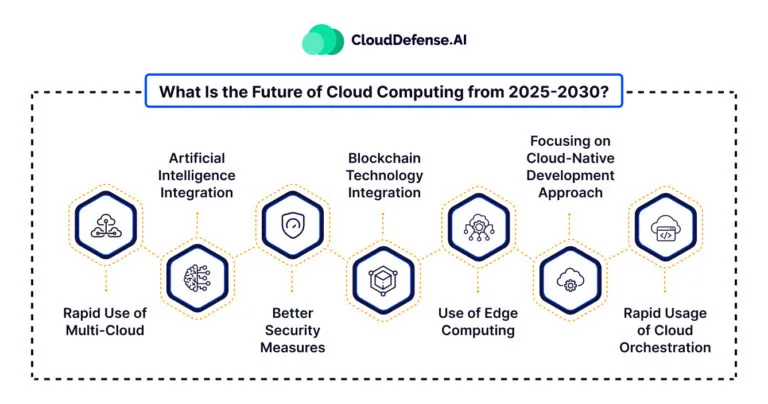
As cloud technology evolves, traders are gaining access to even more sophisticated infrastructures. Multi‑region deployments, serverless compute, and AI‑enhanced monitoring are emerging as next‑generation tools. While traditional VPS remains a reliable choice today, keeping an eye on cloud‑native services—such as AWS Lightsail or Google Compute Engine—can prepare you for a seamless transition when your trading demands outgrow a single virtual server.
In the meantime, a well‑chosen VPS server delivers the core advantages every forex trader needs: speed, stability, and security. By following the guidelines outlined above—selecting the right location, configuring the environment correctly, and continuously monitoring performance—you can build a robust trading setup that minimizes latency, protects your capital, and frees you to focus on strategy rather than technical interruptions.
Whether you are a novice starting with a single MT4 chart or an experienced algorithmic trader running dozens of simultaneous EAs, the right VPS can be the foundation of a profitable and resilient forex operation.