
High risk credit card processing companies play a pivotal role in keeping businesses that face elevated fraud or regulatory scrutiny operational. For merchants in sectors such as adult entertainment, online gambling, or CBD products, traditional processors often refuse service or impose prohibitive fees. By partnering with specialists who understand the nuances of high‑risk environments, these businesses can accept card payments, manage chargebacks, and maintain cash flow.
In this article we will trace the evolution of high‑risk payment solutions, outline the unique obstacles merchants encounter, and highlight the criteria that separate reputable processors from the rest. The narrative follows a logical path, from industry background to practical recommendations, allowing readers to grasp both the big picture and actionable details.
Whether you are launching a new high‑risk venture or reevaluating an existing processing relationship, the insights below will help you navigate the complex landscape with confidence.
Understanding the Landscape of High‑Risk Credit Card Processing
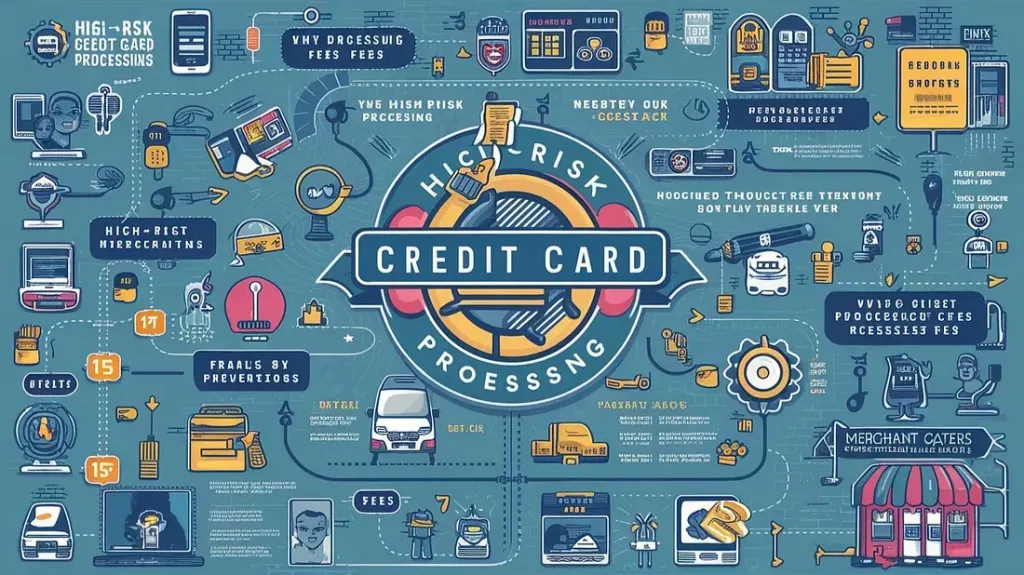
Regulatory Environment
The payment ecosystem is governed by a web of rules set by card networks, banks, and government agencies. High‑risk merchants often operate in industries that attract stricter compliance checks, such as anti‑money‑laundering (AML) regulations or age‑verification mandates. Processors that specialize in high‑risk work closely with acquiring banks to ensure that every transaction meets the required standards, reducing the likelihood of account closures.
Typical Industries Considered High‑Risk
Common categories include:
- Online gambling and sports betting
- Adult entertainment and dating services
- CBD, hemp, and cannabis‑related products
- Travel and vacation rentals
- Subscription‑based services with recurring billing
These sectors share a common thread: they experience higher chargeback ratios, rapid transaction volumes, or fluctuating legal landscapes. Because of that, they rely on processors that can adapt quickly and provide tailored risk‑mitigation tools.
Key Challenges Faced by High‑Risk Merchants
Higher Interchange Fees
Card networks assign risk‑based interchange rates. High‑risk merchants usually pay a surcharge ranging from 2.5% to 4% per transaction, far above the average 1.5% for low‑risk businesses. The additional cost reflects the greater probability of disputes and fraud.
Chargeback Vulnerability
Chargebacks represent a primary source of financial loss. In high‑risk verticals, the chargeback‑to‑sales ratio can exceed 2%, triggering penalties from the acquiring bank. Processors must therefore offer robust dispute‑resolution services, including detailed evidence collection and automated response workflows.
Funding Delays
Because of heightened scrutiny, some processors hold a reserve fund or delay settlement for up to 30 days. This practice protects the processor against potential reversals but can strain a merchant’s cash flow. Understanding the reserve policy before signing a contract is essential.
What to Look for in a Processing Partner

Transparent Pricing Structures
Clear, itemized pricing helps merchants forecast expenses. Look for processors that publish a full fee schedule, including transaction fees, chargeback fees, and any monthly or setup costs. Hidden fees erode profitability and complicate budgeting.
Robust Fraud Prevention
Advanced tools such as tokenization, address‑verification service (AVS), and machine‑learning fraud scores are vital. A processor that integrates these safeguards can lower the chargeback rate and improve approval ratios.
Dedicated Support Teams
High‑risk merchants benefit from having a single point of contact who understands their industry. Dedicated account managers can expedite dispute handling, negotiate fee reductions, and advise on compliance updates.
For a deeper look at why many merchants are reassessing their payment relationships, see Why High‑Risk Merchants Must Rethink Credit Card Processing – A Deep Dive into Risks, Partners, and Savings. The article outlines common pitfalls and highlights the advantages of partnering with a specialist processor.
Top High‑Risk Credit Card Processing Companies in 2026

Below is a curated list of processors that have demonstrated stability, transparent pricing, and strong fraud‑mitigation capabilities. Each entry includes a brief overview of services, typical fee ranges, and notable features.
- Durango Merchant Services – Offers tiered pricing starting at 2.9% + $0.30 per transaction. Known for rapid onboarding and a 30‑day rolling reserve model that can be customized based on sales volume.
- eMerchantPay – Provides multi‑currency support and a dedicated compliance team. Fees average 3.2% + $0.35, with optional chargeback insurance for an additional monthly fee.
- PayKings – Specializes in adult entertainment and CBD merchants. Utilizes a proprietary fraud‑screening engine that reduces chargeback rates by up to 25% for qualified accounts.
- Instabill – Focuses on subscription‑based services. Offers recurring‑billing optimization tools and a transparent fee structure of 2.7% + $0.25 per recurring transaction.
- Soar Payments – Emphasizes travel and vacation‑rental merchants. Provides a flexible reserve system and integrates seamlessly with major booking platforms.
Choosing among these providers requires matching their strengths to your specific business model. For a systematic approach to selection, consult Credit Card Processing for High‑Risk Merchants: Choosing the Right Partner and Reducing Fees, which outlines a step‑by‑step evaluation framework.
Best Practices for Reducing Fees and Chargebacks

Regular Transaction Monitoring
Implement real‑time dashboards that flag suspicious patterns, such as sudden spikes in high‑value orders or multiple declines from the same IP address. Early detection enables proactive fraud prevention and can lower the overall chargeback ratio.
Implementing Tokenization
Tokenization replaces sensitive card data with a non‑reversible token. This technique not only reduces PCI‑DSS scope but also limits exposure in the event of a data breach. Processors that support tokenization often provide lower interchange rates as a result.
Negotiating Rate Tiers
Volume‑based discounts are common in the industry. If your monthly sales exceed $100,000, request a tiered rate that brings the transaction fee closer to 2.5% + $0.25. Document the agreed terms in a service level agreement (SLA) to avoid unexpected cost escalations.
Maintaining Documentation for Disputes
Retain order confirmations, shipping receipts, and communication logs for at least 180 days. When a chargeback is filed, having comprehensive evidence speeds up the rebuttal process and improves the likelihood of a reversal.
Optimizing Recurring Billing
For subscription merchants, use a processor that supports automated retries and dunning management. Reducing failed recurring payments lowers churn and minimizes the number of disputed transactions.
By integrating these practices, high‑risk merchants can achieve a healthier profit margin, lower reserve requirements, and a more predictable cash‑flow cycle.
In summary, high risk credit card processing companies serve a critical function for businesses that operate on the edge of traditional finance. Understanding the regulatory backdrop, recognizing the unique challenges, and selecting a partner that offers transparency, security, and dedicated support are essential steps toward sustainable growth. Armed with the information and best‑practice checklist provided here, merchants can move forward with confidence, knowing they have a solid foundation for handling payments in a high‑risk environment.