For many veterans and active‑duty service members, the prospect of owning a home is more than a financial milestone; it’s a symbol of stability after years of service. The VA home loan program, backed by the Department of Veterans Affairs, offers a unique set of advantages that can make homeownership more accessible. Yet, before you start browsing listings, securing a pre approval for VA home loan is a critical step that can shape the entire buying experience.
Unlike a casual conversation with a lender, pre approval provides a concrete estimate of how much you can borrow, based on a thorough review of your credit, income, and service history. This early certification not only strengthens your position when making an offer but also streamlines the underwriting process later on. In this article, we walk through the essentials of obtaining a pre approval for VA home loan, from eligibility checks to the final paperwork, while offering practical tips to help you move forward with confidence.
Understanding the Pre Approval Process for VA Home Loan
When you apply for a pre approval for VA home loan, lenders conduct a preliminary assessment of your financial profile. The goal is to determine the maximum loan amount you qualify for, subject to VA guidelines. This differs from a simple pre‑qualification, which is often based on self‑reported data and provides only a rough estimate. Pre approval, on the other hand, involves a credit pull, verification of income, and an evaluation of your entitlement— the amount the VA guarantees to the lender.
Securing a pre approval also signals to sellers that you are a serious buyer. In competitive markets, this can give you an edge, as sellers are more inclined to accept offers backed by a solid pre‑approval letter rather than those from buyers still uncertain about financing. Moreover, the pre approval process can uncover any potential issues—such as credit discrepancies or debt‑to‑income (DTI) concerns—early enough to address them before you start house hunting.
Key Steps to Get Pre Approval for VA Home Loan
- Verify Eligibility: Confirm your VA eligibility by checking your Certificate of Eligibility (COE). This document proves you have the required service record to qualify for the program.
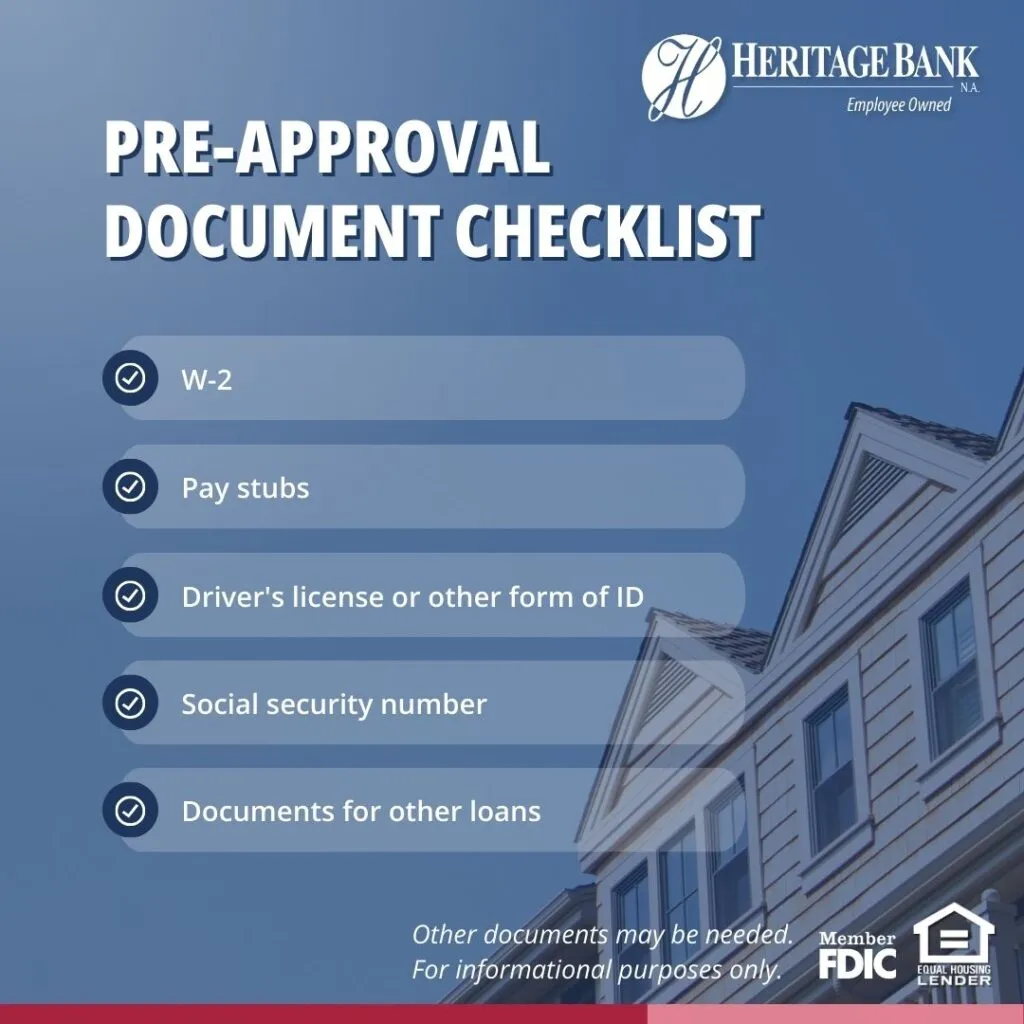
- Gather Financial Documents: Prepare recent pay stubs, W‑2 forms, tax returns, and bank statements. Lenders will need these to assess your ability to repay.
- Credit Check: Authorize a hard credit inquiry. A higher credit score can improve your loan terms and reduce the VA funding fee.
- Calculate Debt‑to‑Income Ratio: Lenders typically look for a DTI of 41% or lower, though exceptions exist for strong compensating factors.
- Submit Application: Complete the lender’s pre‑approval form, attaching your COE and supporting documents.
- Receive Pre‑Approval Letter: Once approved, you’ll receive a letter stating the loan amount you’re qualified for, which you can present to sellers.
Each of these steps is designed to ensure that the pre approval for VA home loan is both accurate and reliable, reducing the likelihood of surprises later in the transaction.
Benefits of Obtaining a Pre Approval for VA Home Loan
While the VA loan program already offers low or no down‑payment options, competitive interest rates, and limited closing costs, a pre approval adds several strategic advantages:
- Negotiating Power: Sellers often prioritize offers accompanied by a pre‑approval letter, especially in fast‑moving markets.
- Faster Closing: Since much of the documentation is already reviewed, the final underwriting process can be completed more quickly.
- Budget Clarity: Knowing your loan limit helps you focus on homes within your financial comfort zone, preventing disappointment.
- Identify Credit Issues Early: If the lender flags any problems, you have time to remediate them before a formal loan application.
In addition, a pre approval can be especially useful when you are also managing other financial obligations, such as student loans. Understanding how those debts impact your overall borrowing capacity is essential. For example, learning whether refinancing student loans hurts your credit can help you make informed decisions that preserve your eligibility for a VA loan.
Common Pitfalls and How to Avoid Them
Even seasoned borrowers can stumble during the pre‑approval phase. Here are some frequent missteps and practical ways to sidestep them:
Ignoring the VA Funding Fee
The VA funding fee is a one‑time cost that varies based on factors such as down payment amount, first‑time use, and service category. Some borrowers mistakenly assume it can be ignored because it’s not a recurring expense. However, the fee is financed into the loan balance, affecting your overall payment. Calculating it early ensures you have a realistic picture of your monthly obligations.
Overlooking Income Stability
Lenders prefer a stable income stream. If you have recently changed jobs or are transitioning to civilian employment, provide documentation of your new salary and any severance packages. Demonstrating continuity can prevent a denial at the pre‑approval stage.
Failing to Update Credit Reports
Credit reports can contain errors that drag down your score. Conduct a free annual credit check and dispute inaccuracies promptly. A cleaner credit report not only boosts your chance of obtaining a pre approval for VA home loan but also may lower your interest rate.
Not Accounting for Additional Debt
While VA loans are forgiving regarding down payments, they still consider your total debt load. If you’re also repaying student loans, understanding whether student loan interest rates are annual and how they affect your DTI is crucial. A clear picture helps you avoid over‑borrowing.
Choosing the Right Lender for Your VA Pre Approval

Not all lenders treat VA loans the same way. Some specialize in veteran financing and may offer faster turnaround times, lower fees, or more flexible underwriting criteria. When evaluating potential lenders, consider the following:
- Experience with VA Loans: A lender with a dedicated VA loan department understands the nuances of the program.
- Closing Cost Transparency: Request a detailed estimate of all fees, including the VA funding fee and any lender‑imposed charges.
- Customer Service: Responsive communication can ease the stress of the pre‑approval process.
- Online Tools: Some lenders provide digital portals for uploading documents and tracking status, which can streamline the experience.
If you’re also exploring other financing options, such as a home equity loan, the article How to Apply for Home Equity Loan Online – A Complete Guide offers valuable insight into alternative borrowing routes.
What Happens After You Receive Your Pre Approval Letter?
Once you have the pre approval for VA home loan in hand, you can begin house hunting with confidence. Keep these next steps in mind:
- Set Your Search Parameters: Use the pre‑approved amount as your upper price limit.
- Make an Offer: Attach your pre‑approval letter to your purchase offer to demonstrate financial readiness.
- Proceed to Formal Application: After your offer is accepted, submit a full loan application. The pre‑approval information will expedite this phase.
- Complete Appraisal and Inspection: The VA will order an appraisal to ensure the property meets safety and value standards.
- Close the Deal: Review the Closing Disclosure, sign the paperwork, and finalize the transaction.
Remember that a pre approval is typically valid for 60 to 120 days, depending on the lender. If your home search extends beyond this period, you may need to refresh the pre‑approval by updating income or credit information.
Special Considerations for First‑Time Veteran Buyers

First‑time homebuyers who are also veterans may qualify for additional incentives, such as reduced funding fees or assistance programs from state veteran affairs offices. Check with your local VA office for any supplemental benefits that could further lower your costs. Moreover, many states offer property tax exemptions or reduced rates for veterans, which can improve your long‑term affordability.
Another tip: If you have a service‑related disability, you may be eligible for a waived funding fee. Verify your status with the VA and discuss it with your lender during the pre‑approval process to ensure it’s reflected in your loan estimate.
Maintaining Your Pre Approval Status
Even after receiving a pre approval, it’s important to maintain the financial profile that earned it. Here are a few best practices:
- Avoid taking on new large debts, such as car loans or credit cards, without careful consideration.
- Continue making all existing payments on time to keep your credit score stable.
- Inform your lender promptly if your employment situation changes.
- Monitor your credit report regularly to catch any unexpected changes.
Staying disciplined ensures that the pre approval for VA home loan remains valid up to the closing date, minimizing the risk of last‑minute surprises.
In summary, obtaining a pre approval for VA home loan is a foundational step that equips veterans and service members with a clear financial roadmap. By understanding eligibility, preparing documentation, selecting the right lender, and staying vigilant throughout the process, you can leverage the unique benefits of the VA loan program and move confidently toward homeownership.