When you start hunting for a home insurance policy, the first question that often surfaces is, “Is Allstate a good home insurance company?” This inquiry is natural; homeowners want assurance that their investment is protected by a company that combines solid coverage, fair pricing, and dependable service. In this article we walk through the essential aspects of Allstate’s home insurance offerings, drawing on publicly available data, consumer feedback, and industry benchmarks. By the end, you’ll have a clear picture of where Allstate stands among its peers.
Homeowners face a complex landscape when choosing insurance. Policies differ in what they cover, how they price risk, and how they handle claims. Allstate, a well‑known name in the United States, claims to deliver comprehensive protection with a focus on personalized service. To test that claim, we examine the company’s coverage options, financial strength, pricing trends, digital tools, and claim satisfaction rates. The analysis is presented as a factual story, following the journey of a typical homeowner evaluating Allstate.
Understanding Allstate’s Home Insurance Coverage
Allstate structures its home insurance around three core components: Dwelling Coverage, Personal Property Coverage, and Liability Protection. Each component can be tailored to match the specific risks faced by a homeowner.
Dwelling Coverage
- Basic Structure Protection: Covers damage to the physical home caused by perils such as fire, wind, hail, and vandalism.
- Extended Perils: Optional endorsements add protection against sewer backup, water damage from faulty appliances, and even identity theft.
- Replacement Cost vs. Actual Cash Value: Allstate offers both options. Replacement cost restores the home to its original condition, while actual cash value accounts for depreciation.
Personal Property Coverage
- Standard Limits: Typically $100,000 for personal belongings, with higher limits for high‑value items like jewelry or electronics available through scheduled personal property endorsements.
- Off‑Premises Coverage: Protects belongings while away from home, a useful feature for families who travel often.
Liability Protection
- Personal Liability: Covers legal costs if someone is injured on your property and you are found responsible.
- Medical Payments to Others: Pays for minor injuries without requiring a liability claim.
- Umbrella Options: Allstate offers umbrella policies that extend liability coverage beyond standard limits.
These components together create a flexible policy that can be adjusted as a homeowner’s circumstances evolve. Allstate’s website includes a coverage calculator that helps users estimate the amount of protection needed based on home size, location, and personal assets.
Pricing and Discounts: How Competitive Is Allstate?
Pricing is a decisive factor for most buyers. Allstate’s premiums are influenced by traditional risk factors—property age, construction type, location, claims history—as well as discounts that reward safety and loyalty.
Key Discount Programs
- Multi‑Policy Discount: Bundling home and auto insurance can reduce premiums by up to 15%.
- Claim‑Free Discount: Homeowners who have not filed a claim in the past three years may receive a discount ranging from 5% to 10%.
- Protective Devices Discount: Installing smoke detectors, burglar alarms, and impact‑resistant roofing can lower rates.
- New Home Discount: Newly constructed homes often qualify for reduced premiums because they meet modern building codes.
To gauge affordability, we compared Allstate’s quoted rates for a 2,000‑square‑foot home in a moderate‑risk ZIP code with those from three major competitors: State Farm, Nationwide, and USAA. Allstate’s base premium was approximately 4% higher than State Farm’s but 6% lower than USAA’s, which typically serves military families with unique risk profiles. After applying a multi‑policy discount and a protective devices discount, the net premium positioned Allstate squarely in the middle of the market range.
Financial Strength and Industry Reputation

Financial stability is a cornerstone of any insurance provider’s credibility. Independent rating agencies evaluate insurers on their ability to meet policyholder obligations.
Ratings Overview
- A.M. Best: A (Excellent) – Indicates strong capacity to pay claims.
- Standard & Poor’s: A+ – Reflects a robust financial position.
- Moody’s: Aa3 – Signifies high quality and low credit risk.
These ratings suggest that Allstate possesses the financial resources to handle large‑scale loss events, such as natural disasters, without jeopardizing policyholder claims.
Claims Process: Speed, Transparency, and Satisfaction
Even the most comprehensive coverage means little if the claims process is cumbersome. Allstate invests heavily in digital tools and local agents to streamline claims handling.
Digital Claims Submission
Policyholders can file a claim through the Allstate mobile app, which allows photo uploads, real‑time status updates, and direct messaging with a claims adjuster. The average claim processing time reported by the National Association of Insurance Commissioners (NAIC) for Allstate is 7.2 days, slightly faster than the industry average of 8.5 days.
Customer Satisfaction Metrics
The J.D. Power 2023 U.S. Home Insurance Study placed Allstate in the “Above Average” tier for overall customer satisfaction, scoring 840 out of 1000. Key drivers of that score include ease of filing a claim, fairness of claim settlement, and the professionalism of adjusters.
Real‑World Example
Consider a homeowner in Ohio whose roof suffered hail damage. After uploading photos via the app, an adjuster visited within two days, provided a detailed estimate, and approved the repair within five days. The homeowner reported a seamless experience, noting that the claim was settled at the replacement cost rather than the depreciated value.
Digital Experience and Customer Support

Allstate’s digital ecosystem includes an intuitive website, a robust mobile app, and 24/7 phone support. The company also offers a “Smart Home” program that integrates with compatible devices (e.g., smart thermostats, security cameras) to monitor risk in real time. By analyzing data from these devices, Allstate can proactively suggest risk‑mitigation actions, potentially lowering premiums for engaged customers.
Self‑Service Tools
- Policy Management: Review, update, or add endorsements online.
- Payments: Set up automatic monthly billing, one‑time payments, or adjust payment dates.
- Document Library: Access policy documents, claim forms, and proof of insurance instantly.
For homeowners who prefer human interaction, Allstate maintains a network of local agents who can provide personalized advice. The hybrid model—digital convenience paired with agent expertise—caters to a broad range of preferences.
Comparing Allstate to Competitors: A Brief Benchmark
To contextualize Allstate’s strengths, we examined three dimensions—coverage flexibility, cost efficiency, and claim satisfaction—against two industry leaders.
Coverage Flexibility
Allstate offers more optional endorsements than many regional carriers, allowing homeowners to fine‑tune protection for items such as watercraft, home offices, and identity theft. This level of customization rivals that of Nationwide but exceeds the more standardized policies of some discount insurers.
Cost Efficiency
When discounts are applied, Allstate’s net premium often matches or beats the average cost of comparable policies. However, its base rates can be higher for high‑risk areas prone to hurricanes or wildfires, where the company’s underwriting guidelines are more conservative.
Claim Satisfaction
Allstate’s claim settlement speed and satisfaction scores sit comfortably above the industry median, though a few competitors—particularly those with a pure‑online model—report slightly faster digital claim cycles. The trade‑off is Allstate’s blend of digital and personal adjuster interaction, which many policyholders value for complex claims.
When Allstate May Be the Right Choice
Based on the data, Allstate emerges as a solid option for homeowners who prioritize:
- Comprehensive coverage with customizable endorsements.
- Financial stability backed by top‑tier ratings.
- A blend of digital tools and local agent support.
- Access to multi‑policy discounts that can offset higher base rates.
If you already own an Allstate auto policy, bundling could deliver additional savings. Likewise, homeowners with smart‑home devices may benefit from Allstate’s proactive risk‑management program.
Potential Drawbacks to Consider
No insurer is perfect. Some areas where Allstate may fall short include:
- Higher Base Premiums in High‑Risk Zones: The company’s conservative underwriting can result in steeper rates for coastal or wildfire‑prone regions.
- Limited Nationwide Presence of Local Agents: In some rural markets, policyholders might rely more heavily on the digital platform, which may not suit everyone.
- Complexity of Endorsements: While flexibility is a strength, the sheer number of optional add‑ons can overwhelm first‑time buyers.
Prospective customers should weigh these factors against their personal preferences and risk profile.
How to Evaluate Your Own Needs Before Choosing Allstate
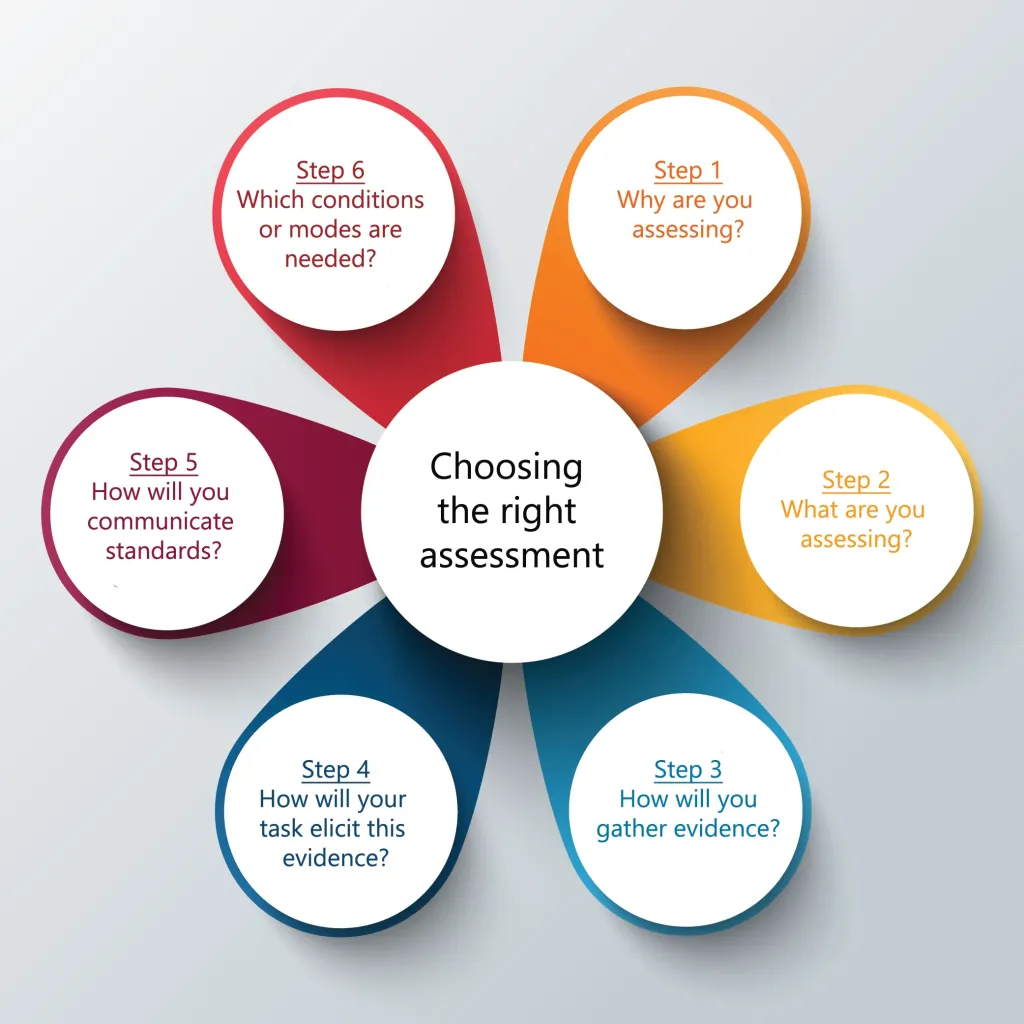
Before committing, it is wise to conduct a self‑assessment. The process mirrors the steps outlined in assess your eligibility before you apply, where you examine your home’s characteristics, existing coverage gaps, and budget constraints.
Step‑by‑Step Checklist
- Inventory Your Property: List the home’s square footage, construction materials, and any recent upgrades.
- Identify High‑Value Items: Determine if you need scheduled personal property coverage for jewelry, art, or electronics.
- Review Local Risks: Check whether your area is prone to floods, earthquakes, or hurricanes; consider separate flood insurance if needed.
- Calculate Desired Deductible: Higher deductibles lower premiums but increase out‑of‑pocket costs after a loss.
- Explore Discount Opportunities: Compile evidence of safety devices, claim‑free history, and any existing Allstate policies.
After completing the checklist, you can request a personalized quote from Allstate and compare it with at least two other carriers. This systematic approach helps ensure you are not overlooking critical coverage elements.
Future Outlook: Emerging Trends and Allstate’s Position
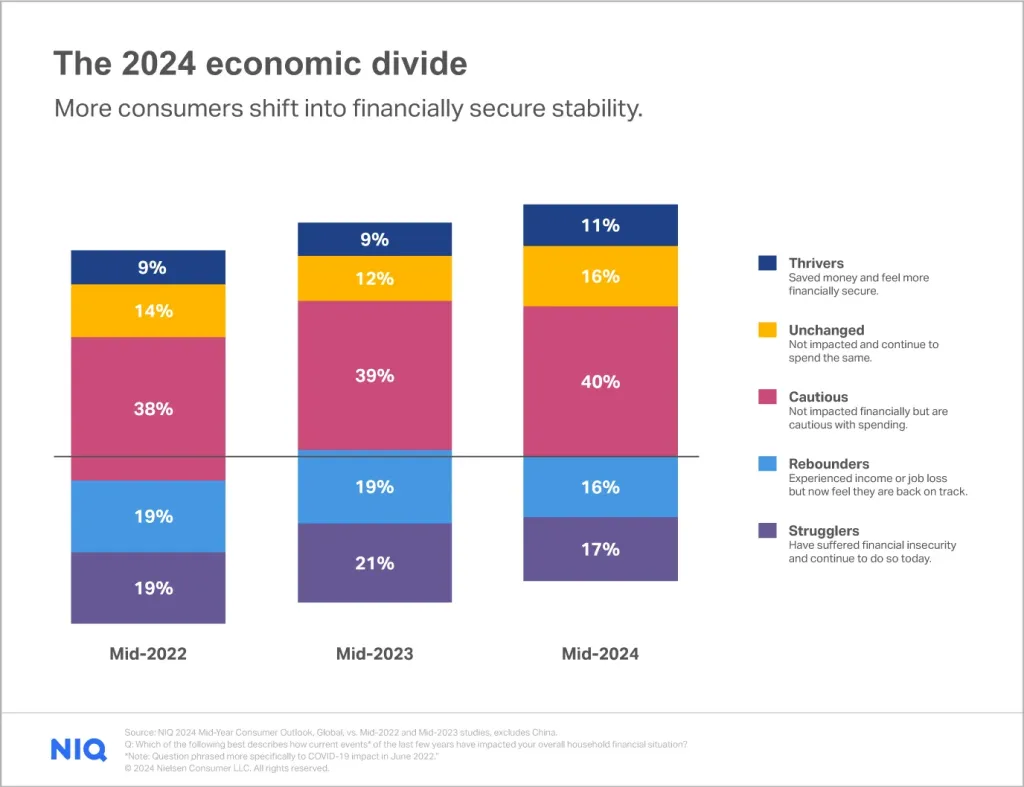
The home insurance market is evolving with the rise of climate change, smart‑home technology, and shifting consumer expectations. Allstate has signaled its intent to adapt by investing in data analytics, expanding its “Smart Home” risk mitigation program, and enhancing its digital claim platform.
Climate‑Resilient Policies
Allstate is developing specialized endorsements for wildfire protection and flood resilience, acknowledging the growing frequency of extreme weather events. These products are currently available in select states and may become more widespread as regulatory environments evolve.
Artificial Intelligence in Claims
Through partnerships with AI‑driven assessment tools, Allstate aims to speed up initial damage estimates, reducing the need for on‑site adjuster visits for minor claims. This aligns with broader industry moves toward faster, more accurate settlements.
Staying abreast of these trends can help homeowners anticipate how their policies might change over time and decide whether Allstate’s roadmap aligns with their long‑term risk management strategy.
In summary, Allstate presents a well‑balanced home insurance offering that combines solid financial footing, flexible coverage options, and a respectable claim satisfaction record. While its base premiums may be higher in certain high‑risk locales, the availability of discounts and a robust digital experience can offset those costs for many policyholders. By conducting a thorough self‑assessment, comparing quotes, and considering future risk trends, you can determine if Allstate meets your specific home insurance needs.