Finding the right coverage for both your house and your vehicle can feel like navigating two separate markets. Yet, the process shares many common steps: assessing risk, comparing policies, and evaluating the value of each offer. When you decide to shop for home and auto insurance, you are essentially protecting two of your most valuable assets with a single, coordinated strategy.
In today’s digital age, the tools that once required a visit to a local agency are now just a few clicks away. Online platforms allow you to gather multiple quotes, read consumer reviews, and even bundle policies for additional savings. The challenge lies not in the availability of information, but in knowing which details truly matter.
This article walks you through a systematic approach to shop for home and auto insurance efficiently. Whether you are a first‑time homeowner, a seasoned driver, or someone looking to consolidate policies, the steps below will help you make an informed decision without feeling overwhelmed.
How to Effectively Shop for Home and Auto Insurance
Before you start comparing numbers, take a moment to clarify what you need. Your personal situation—location, property value, driving history, and even lifestyle—will dictate the type and amount of coverage that makes sense.
Why Shop for Home and Auto Insurance Together?
- Bundling discounts: Insurers often reward customers who combine home and auto policies with a percentage discount on each.
- Simplified management: One renewal date, one payment portal, and a single point of contact reduce administrative hassle.
- Comprehensive risk assessment: Providers can evaluate your overall risk profile, sometimes leading to better rates.
Many consumers underestimate the impact of bundling. According to industry data, combined policies can save anywhere from 5% to 25% compared to purchasing separate policies. If you’re ready to explore this advantage, start by visiting an online home and car insurance quotes guide that breaks down the bundling process step by step.
Step 1: Gather Accurate Personal and Property Information
Insurance algorithms rely heavily on factual data. For your home, gather:
- Square footage and construction type
- Year built and any recent renovations
- Location‑specific risks (flood zones, wildfire districts, crime rates)
For your vehicle, you’ll need:
- Make, model, and year
- Vehicle Identification Number (VIN)
- Current mileage and primary use (commuting, business, leisure)
Having this information on hand ensures that the quotes you receive are realistic and comparable.
Step 2: Identify Coverage Gaps and Priorities
Not all policies are created equal. A typical homeowners policy may cover dwelling, personal property, liability, and additional living expenses. An auto policy, on the other hand, includes liability, collision, comprehensive, uninsured motorist, and medical payments.
Ask yourself:
- Do I need higher liability limits because I own a rental property?
- Should I add flood insurance given my proximity to a river?
- Is my vehicle’s market value high enough to justify collision coverage?
Answering these questions helps you avoid under‑insuring or paying for unnecessary add‑ons.
Step 3: Use Multiple Quote Engines
One of the most efficient ways to shop for home and auto insurance is through comparison websites that aggregate offers from several carriers. While free tools are convenient, remember that some insurers may not participate in these platforms. To capture the full market, supplement online tools with direct inquiries to major carriers.
For a deeper dive into the mechanics of online quoting, refer to the Online Auto and Home Insurance Quotes: A Complete Guide. It outlines how algorithms weigh your inputs and what you can do to improve your quote accuracy.
Step 4: Evaluate Discounts Beyond Bundling
Insurance companies offer a wide range of discounts that can further reduce your premium:
- Good driver discount: Clean record for a specified period.
- Home security discount: Installation of alarms, smoke detectors, or reinforced doors.
- Low mileage discount: For drivers who log fewer than 7,500 miles per year.
- Loyalty discount: Staying with the same insurer for multiple years.
When you shop for home and auto insurance, ask each carrier to itemize applicable discounts. The cumulative effect can be substantial, especially when combined with bundling savings.
Step 5: Scrutinize the Fine Print
Premiums are only part of the equation. Deductibles, coverage limits, exclusions, and claim filing procedures can dramatically affect the value you receive.
Key clauses to review include:
- Replacement cost vs. actual cash value: Determines whether you receive full replacement cost for damaged belongings.
- Deductible choices: Higher deductibles lower premiums but increase out‑of‑pocket costs after a loss.
- Geographical exclusions: Some policies exclude flood or earthquake coverage unless purchased separately.
- Claims handling speed: Look for insurer ratings on claim settlement times.
Understanding these elements prevents surprises when you need to file a claim.
Step 6: Consider a Blanket Policy for Multiple Assets
For families with several properties or vehicles, a blanket policy can provide coverage across all assets under a single limit. This approach simplifies administration and may unlock additional discounts. Learn more about this option in the article What is a Blanket Policy Insurance? Overview & Benefits.
Step 7: Review Customer Service and Financial Strength
A low price is appealing, but it means little if the insurer lacks the capacity to pay claims or provides poor service. Check ratings from agencies such as A.M. Best, Moody’s, or Standard & Poor’s for financial stability. For service quality, consult the J.D. Power Auto Insurance Study or the Consumer Reports Home Insurance Survey.
Step 8: Finalize and Schedule Regular Policy Reviews
After you’ve selected the best combined package, set reminders for annual or bi‑annual reviews. Life events—marriage, home renovation, vehicle upgrades, or a change in driving habits—can all affect your coverage needs. Proactive adjustments help you maintain optimal protection without overpaying.
Practical Tips to Maximize Savings While You Shop for Home and Auto Insurance
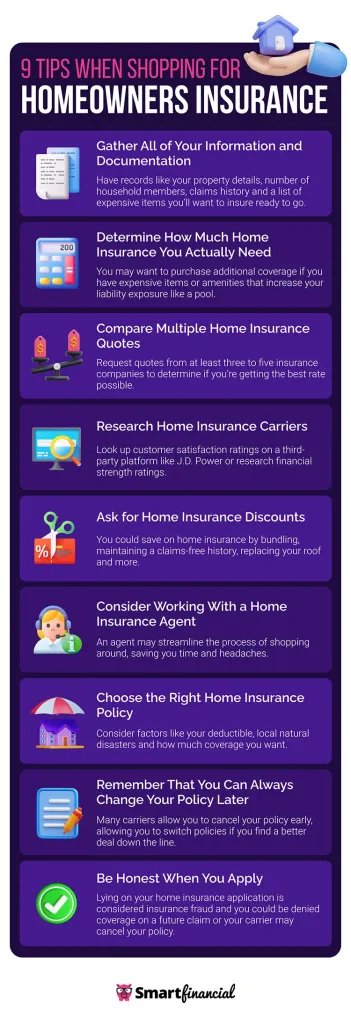
Even after following the systematic steps above, there are extra tactics you can apply to shave off dollars from your premium:
- Increase your deductible on both policies, but ensure you have enough emergency funds.
- Maintain a clean credit score; many insurers use credit-based insurance scores in underwriting.
- Install a telematics device for your car if you drive less than the average mileage.
- Participate in a homeowners association (HOA) that offers collective insurance benefits.
By integrating these strategies, you can often achieve a total savings of 15% or more compared to the baseline quote.
Common Misconceptions When You Shop for Home and Auto Insurance
Understanding the truth behind popular myths can prevent costly mistakes:
Myth 1: The Cheapest Policy Is Always the Best Choice
Low premiums may indicate limited coverage, high deductibles, or exclusion of certain perils. Always compare the scope of protection, not just the price tag.
Myth 2: Bundling Is the Only Way to Save Money
While bundling is effective, other discounts—such as safe‑home improvements or defensive driving courses—can produce comparable savings.
Myth 3: Homeowners Insurance Covers Everything in My Home
Standard policies typically exclude flood, earthquake, and certain high‑value items like jewelry or art. Add endorsements or separate policies as needed.
Myth 4: My Auto Insurance Rate Won’t Change After a Year
Insurers regularly reassess risk factors. A clean driving record, reduced mileage, or improved credit can lower rates at renewal.
Tools and Resources to Aid Your Shopping Journey
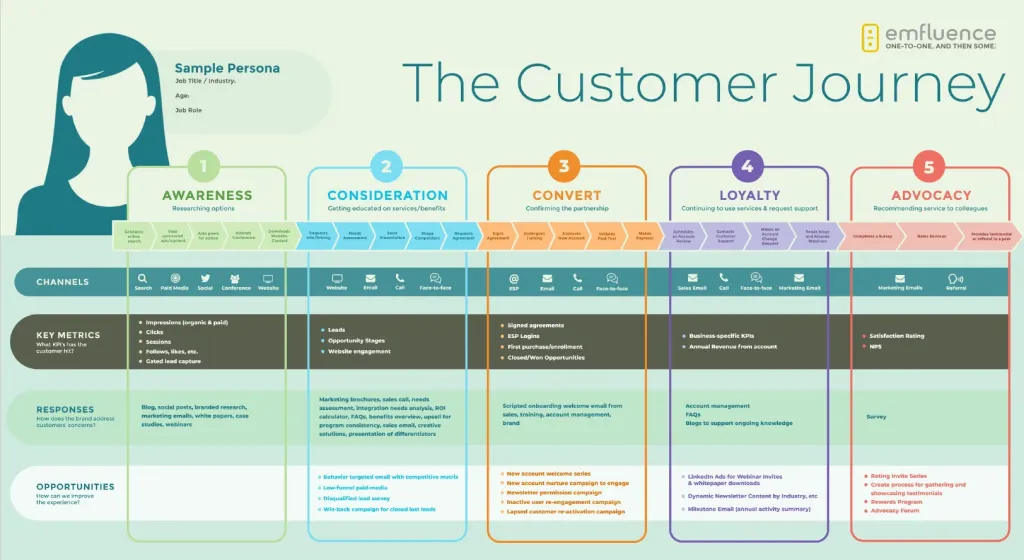
Technology has democratized access to insurance information. Below are some recommended tools:
- Insurance comparison websites: Provide side‑by‑side premium and coverage tables.
- State insurance department portals: Offer consumer complaint data and insurer licensing status.
- Mobile apps with telematics: Track driving behavior for potential discounts.
- Home value estimator tools: Help you gauge the appropriate dwelling coverage limit.
For an in‑depth walkthrough of using these digital resources, explore the Auto and Home Insurance Quotes Online: A Complete Guide. It illustrates how to input data accurately and interpret the results.
Remember, the goal of your research is not just to find the lowest price, but to secure a policy that aligns with your risk tolerance, financial capacity, and long‑term goals.
When you shop for home and auto insurance, treat the experience as a partnership with your insurer. A transparent, well‑understood policy fosters confidence that you’re protected when life throws the unexpected your way. By following the structured approach outlined above, you can navigate the market efficiently, compare offers intelligently, and ultimately select coverage that balances cost and comprehensive protection.