
Finding the right coverage for both your vehicle and your residence can feel like navigating a maze. The market is crowded with providers, each offering a different mix of price, protection, and perks. When you start searching for auto insurance and home insurance quotes, the first step is to understand what factors influence those numbers and how you can use that knowledge to your advantage.
Many consumers assume that getting a quote is as simple as entering a zip code and waiting for a price tag. In reality, the process involves a series of data points—from driving history and home construction materials to credit scores and local risk assessments. By demystifying the variables, you can turn a seemingly opaque exercise into a strategic decision‑making process.
Below, we walk through the essential elements that shape auto insurance and home insurance quotes, provide practical tips for lowering those figures, and explain why bundling the two policies often yields the best overall value.
auto insurance and home insurance quotes: key factors that drive pricing
Insurance companies use sophisticated algorithms to calculate the cost of protecting your car and your home. While each carrier has its own proprietary model, several common variables appear in almost every quote.
How auto insurance and home insurance quotes are calculated
- Risk profile of the driver or homeowner: Age, gender, marital status, and driving record heavily influence auto rates, while the age of the home, its construction type, and past claims affect home premiums.
- Location-based risks: Areas prone to hurricanes, floods, or high crime rates will see higher home insurance costs. Likewise, states with higher traffic density or stricter liability laws often have steeper auto rates.
- Coverage limits and deductibles: Opting for higher limits or lower deductibles naturally raises the quote. Conversely, increasing the deductible can lower the premium, but it also means more out‑of‑pocket expense in the event of a claim.
- Credit history: In many states, insurers consider credit scores as a predictor of risk. A strong credit profile can shave a noticeable amount off both auto and home quotes.
- Bundling discounts: Purchasing auto and home policies from the same insurer frequently unlocks a discount ranging from 5 % to 25 %.
Understanding these components helps you pinpoint which levers you can pull to improve your quote without sacrificing essential coverage.
Tips for getting the best auto insurance and home insurance quotes
- **Shop around:** Use multiple comparison tools. For a side‑by‑side view, check out compare home and auto insurance quotes online to see how rates vary across carriers.
- **Maintain a clean claims history:** Each claim can increase future premiums. Consider repairing minor damages out of pocket if the cost is low compared to the potential rate hike.
- **Upgrade home safety features:** Installing smoke detectors, deadbolts, or a security system can qualify you for discounts on home insurance, which also influences the bundled auto quote.
- **Take advantage of loyalty programs:** Some insurers reward long‑term customers with reduced rates on both policies.
- **Review your coverage annually:** Life changes—new driver, home renovation, or moving to a different zip code—can all affect your quote. A yearly review ensures you’re not overpaying.
Implementing these strategies often results in a noticeable reduction in the combined cost of your auto and home insurance policies.
Why bundling auto insurance and home insurance quotes makes sense
Bundling is more than a marketing gimmick; it’s a financial strategy rooted in risk management. When an insurer covers multiple assets for the same customer, administrative costs drop, and the insurer can pass those savings back to you.
Typical bundle discounts range from 5 % to 25 %, but the exact figure depends on the insurer’s policies and the level of coverage you select. Moreover, a single point of contact simplifies claims handling and policy management, reducing the likelihood of missed renewals or coverage gaps.
However, bundling isn’t a one‑size‑fits‑all solution. It’s crucial to compare the bundled price against the sum of two separate policies. Sometimes, a specialized carrier may offer a better rate on one line of coverage, even after the bundle discount is applied.
Steps to obtain accurate auto insurance and home insurance quotes

Getting a reliable quote requires more than a quick online form. Follow this step‑by‑step approach to ensure the figures you receive reflect your true risk profile.
Gather necessary information
- Vehicle identification number (VIN), make, model, and year.
- Driving history, including any accidents or violations in the past three years.
- Home address, year built, square footage, and construction materials.
- Current mortgage or rental details, as lenders sometimes require specific coverage limits.
- Personal details: age, marital status, occupation, and credit score.
Having this data on hand prevents the need for follow‑up calls that could delay the quoting process.
Use reputable comparison platforms
Online aggregators pull data from multiple carriers, allowing you to see a broad spectrum of auto insurance and home insurance quotes in one place. When you click through to a carrier’s site, ensure the information you entered remains consistent; discrepancies can lead to inaccurate quotes.
For an in‑depth look at how different platforms stack up, read quotes for home and auto insurance – a complete guide. This resource walks you through the pros and cons of each tool, helping you select the one that aligns with your preferences.
Customize coverage options
Most insurers allow you to adjust deductibles, add optional coverages (like roadside assistance for auto or flood insurance for home), and select liability limits. Tweaking these options will instantly update the quote, giving you a clear picture of how each choice impacts price.
Request a written estimate
After finalizing your selections, ask for a written quote that details every component of the premium. A transparent breakdown makes it easier to compare offers side by side and spot hidden fees.
Common pitfalls to avoid when evaluating auto insurance and home insurance quotes

Even seasoned shoppers can fall into traps that inflate their costs or leave them under‑insured. Being aware of these pitfalls can safeguard you from costly mistakes.
Focusing solely on price
A low premium may seem attractive, but it can mask insufficient coverage limits or high deductibles that shift risk back to you. Always verify that the policy meets your state’s minimum requirements and your personal risk tolerance.
Ignoring policy exclusions
Every insurance contract includes exclusions—situations the insurer won’t cover. For example, some auto policies exclude certain high‑performance vehicles, while some home policies may not cover water damage from burst pipes unless you add a specific rider.
Overlooking discounts
Many discounts are not automatically applied. You must ask about multi‑car, multi‑policy, safe driver, good student, and home security discounts. Missing a single discount can add up to hundreds of dollars over the life of the policy.
Neglecting the impact of credit scores
Since credit scores influence both auto and home insurance rates in many states, a sudden dip can raise your quotes dramatically. Maintaining good credit is a proactive way to keep insurance costs low.
When to consider separate policies instead of bundling
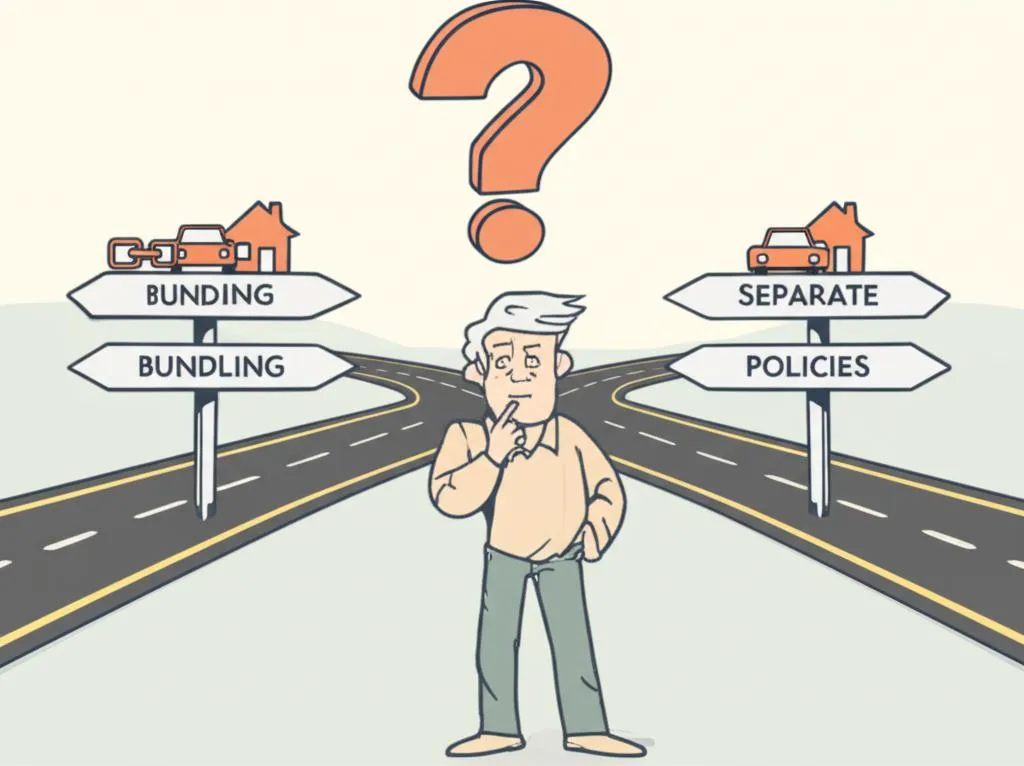
Bundling works well for most households, but there are scenarios where separate policies make more sense.
- Specialized coverage needs: High‑value homes may require a boutique insurer with expertise in luxury properties, while a high‑performance car might need a carrier that offers specific parts‑and‑labour coverage.
- Geographic considerations: If you own multiple properties in different states, you may benefit from regional insurers that understand local risks better than a national carrier.
- Discount disparities: Occasionally, a carrier may offer a 30 % discount on auto insurance but only a 5 % discount on home insurance. In such cases, buying the auto policy separately could be cheaper overall.
Running the numbers—comparing the bundled total against the sum of two distinct policies—will reveal the most economical route.
In summary, acquiring accurate auto insurance and home insurance quotes involves more than a quick click. By understanding the variables that affect pricing, leveraging reputable comparison tools, and thoughtfully evaluating both bundled and separate options, you position yourself to secure comprehensive protection at the best possible price. Regularly revisiting your policies, staying informed about discounts, and maintaining a clean risk profile will keep your insurance costs in check for years to come.