Table of Contents
- Income Limit Student Loan Interest Deduction: Core Requirements
- Income Limit Student Loan Interest Deduction – How the Phase‑Out Works
- Eligibility Checklist: Do You Qualify?
- Income Limit Student Loan Interest Deduction – Common Pitfalls
- Strategic Ways to Stay Within the Income Limit
- Income Limit Student Loan Interest Deduction and Refinancing
- Reporting the Deduction on Your Tax Return
- Interaction with Other Student‑Loan Tax Provisions
- Future Outlook: Will the Income Limits Change?
- Practical Tips for the Upcoming Tax Year
Every year, millions of borrowers hope to reduce the cost of their education debt through tax benefits. One of the most frequently cited reliefs is the student loan interest deduction, a provision that allows eligible taxpayers to deduct up to $2,500 of interest paid on qualified student loans. However, the benefit is not universal; the amount you can claim is directly tied to your modified adjusted gross income (MAGI). Understanding the income limit student loan interest deduction is essential for effective tax planning, especially as incomes fluctuate and tax laws evolve.
This article walks through the mechanics of the deduction, explains how the income limit works, and provides practical steps you can take to maximize the benefit. Whether you are a recent graduate, a mid‑career professional with lingering loans, or a parent who co‑signed a loan, the rules outlined here apply. By the end, you’ll have a clear picture of whether you qualify, how much you can deduct, and what actions can keep you within the eligible range.
Income Limit Student Loan Interest Deduction: Core Requirements
The IRS allows a deduction for interest you actually paid on a qualified student loan during the tax year. To claim the income limit student loan interest deduction, you must meet three primary criteria:
- Qualified loan: The loan must have been taken out solely to pay qualified education expenses for you, your spouse, or your dependent.
- Interest paid: You must have paid interest on the loan during the tax year. The amount is reported on Form 1098‑E.
- Income threshold: Your MAGI must fall below the statutory phase‑out range for the year.
If any of these conditions are not satisfied, the deduction is unavailable, and the interest you paid becomes a non‑deductible expense.
Income Limit Student Loan Interest Deduction – How the Phase‑Out Works
The phase‑out is the portion of the rule that most borrowers find confusing. For the 2023 tax year, the income limits were:
- Single filers: $70,000 – $85,000
- Married filing jointly: $145,000 – $175,000
- Married filing separately: $0 – $10,000 (effectively disallowed)
If your MAGI is below the lower bound, you can claim the full $2,500 deduction (or the total interest you paid if it is less). Once your income exceeds the lower bound, the deduction is reduced proportionally until it disappears entirely at the upper bound. The calculation is simple:
Deduction Reduction = (MAGI – Lower Limit) ÷ (Upper Limit – Lower Limit) × $2,500
Allowed Deduction = $2,500 – Deduction Reduction
For example, a single filer with a MAGI of $78,000 would see a reduction of:
($78,000 – $70,000) ÷ ($85,000 – $70,000) × $2,500 = $1,190
Resulting in an allowed deduction of $1,310.
Eligibility Checklist: Do You Qualify?
Before you begin filling out Form 1040, run through this quick checklist to confirm your eligibility for the income limit student loan interest deduction:
- Did you or your spouse pay interest on a qualified student loan in the tax year?
- Is the loan in your name (or jointly with your spouse) and not in a relative’s name?
- Did you file as single, married filing jointly, or head of household? (Married filing separately is effectively disqualified.)
- Is your MAGI below the applicable upper limit for your filing status?
If the answer is “yes” to all questions, you can proceed to claim the deduction on line 20 of Form 1040, entering the amount calculated after the phase‑out adjustment.
Income Limit Student Loan Interest Deduction – Common Pitfalls
Even qualified borrowers sometimes miss out on the deduction due to simple oversights:
- Forgetting the Form 1098‑E: Lenders must provide this form, but if you don’t receive it, request a copy before filing.
- Including non‑qualified loans: Loans taken for non‑education purposes, such as a personal line of credit used to pay tuition, do not qualify.
- Misreporting MAGI: Ensure you add back deductions like student loan interest itself, IRA contributions, and tuition and fees deduction when calculating MAGI.
- Overlooking filing status: Married couples who file separately lose the benefit entirely, even if each spouse’s individual income is below the threshold.
Addressing these issues early can prevent a costly amendment later in the year.
Strategic Ways to Stay Within the Income Limit

Because the deduction phases out as income rises, many taxpayers look for legitimate ways to keep their MAGI below the upper bound. Below are proven strategies that comply with IRS regulations:
- Increase pre‑tax contributions: Contributing more to a traditional 401(k) or an HSA reduces your MAGI, potentially preserving the full deduction.
- Timing of loan payments: If you anticipate crossing the income threshold, consider paying extra interest before year‑end to increase the deductible amount.
- Utilize education credits: If you’re eligible for the American Opportunity Credit or Lifetime Learning Credit, those credits may also reduce your overall tax liability, offsetting the loss of the interest deduction.
- Filing status adjustment: In some cases, filing jointly may provide a higher upper limit, allowing both spouses to benefit from the deduction.
For a deeper dive into how income thresholds affect your overall tax picture, see our detailed guide on income limit student loan interest deduction explained. The article walks through real‑world scenarios and shows the exact impact of each strategy.
Income Limit Student Loan Interest Deduction and Refinancing
Refinancing your student loans can lower the interest rate, but it does not automatically affect the deduction amount. The IRS treats the interest you pay on a refinanced loan the same way as the original loan, as long as the loan remains qualified. However, refinancing can influence your MAGI indirectly:
- If refinancing reduces your monthly payment, you may be able to make larger pre‑tax contributions elsewhere, thereby lowering MAGI.
- Some private lenders allow you to consolidate both federal and private loans, simplifying the tracking of deductible interest.
Before deciding, read our practical guide on refinancing private student loans to weigh the pros and cons.
Reporting the Deduction on Your Tax Return
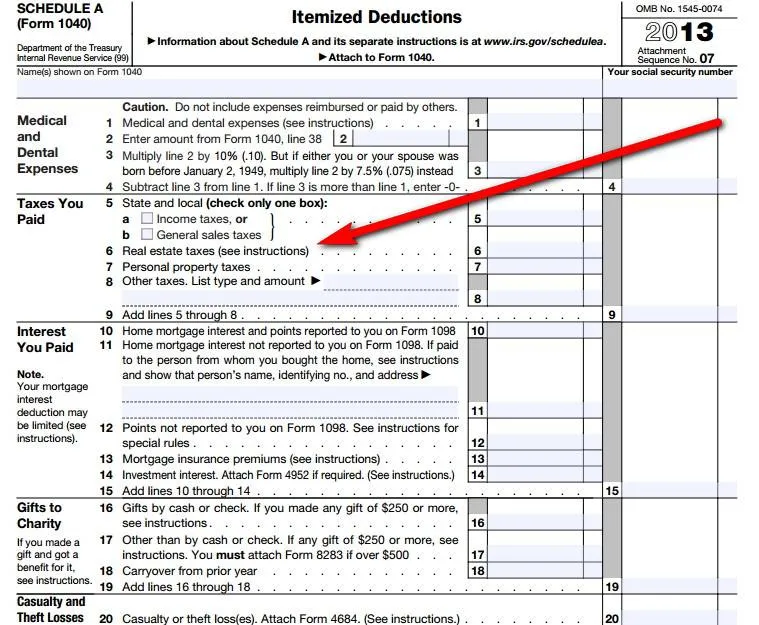
When you’re ready to file, follow these steps to claim the income limit student loan interest deduction correctly:
- Locate Form 1098‑E from each lender and total the interest paid.
- Calculate your MAGI and determine whether you fall within the phase‑out range.
- Use the IRS worksheet (found in the instructions for Form 1040) to compute the reduced deduction, if applicable.
- Enter the final amount on line 20 of Form 1040 (or line 8b on the 2023 Form 1040, depending on the version).
- Keep all supporting documents for at least three years in case of an audit.
The deduction is “above the line,” meaning you can claim it even if you do not itemize deductions. This feature makes it valuable for taxpayers who take the standard deduction.
Interaction with Other Student‑Loan Tax Provisions
While the interest deduction is straightforward, it coexists with other tax benefits that can affect your overall liability:
- Student loan forgiveness: Amounts forgiven under certain programs may be taxable, potentially raising your MAGI and reducing the deduction.
- Capitalized interest: If you allowed interest to capitalize while in school, that amount is added to the loan principal and is still deductible when paid later. See our article on capitalized interest on student loans for more detail.
- Forbearance and deferment: Interest that accrues during these periods is still deductible when you eventually pay it, but you cannot claim it until payment occurs.
Future Outlook: Will the Income Limits Change?
Tax law is subject to periodic adjustments for inflation and legislative amendments. Historically, the income thresholds for the student loan interest deduction have risen modestly each year. However, major policy shifts—such as proposals to increase the deduction limit or to eliminate the phase‑out—could occur with new congressional action.
Staying informed through reliable sources, like the IRS website or reputable tax blogs, helps you anticipate changes. If a legislative update raises the upper limit, more taxpayers will retain the benefit, and the planning strategies discussed above may need revisiting.
Practical Tips for the Upcoming Tax Year
To ensure you are prepared for any adjustments, keep these habits on your calendar:
- Quarterly review: At the end of each quarter, check your estimated MAGI against the current phase‑out range.
- Document interest payments: Even if you receive no 1098‑E, maintain a log of all payments made.
- Update withholding: If you expect a higher income, adjust your payroll withholding to avoid a large tax bill.
- Consult a tax professional: Complex situations—such as multiple loans, joint filings, or forgiveness—benefit from expert advice.
By integrating these practices, you can maximize the income limit student loan interest deduction year after year, regardless of income fluctuations.
In summary, the income limit student loan interest deduction offers a valuable tax break for borrowers, but its benefits are tightly bound to your modified adjusted gross income. Knowing the exact phase‑out thresholds, accurately calculating your MAGI, and employing strategic financial moves can preserve the deduction even as your earnings grow. Keep an eye on legislative changes, stay organized with your loan documents, and consider professional guidance when your situation becomes intricate. With careful planning, the deduction can remain a steady component of your tax strategy, easing the financial load of student debt.