Table of Contents
- Understanding the Core Concept
- How Funds Are Determined
- Repayment Mechanics
- Eligibility: What Merchants Need to Qualify
- Key Benefits Over Traditional Loans
- Potential Drawbacks and Risks
- Step‑by‑Step Guide to Securing a Loan
- 1. Gather Processing Data
- 2. Choose a Reputable Processor
- 3. Submit an Application
- 4. Review the Offer
- 5. Accept and Fund
- 6. Monitor Repayment
- Integrating the Advance with Cash Flow Management
- Real‑World Example: A Boutique Coffee Shop
- Regulatory Landscape and Compliance
- Future Trends: Technology Driving Faster Funding
Business loans through credit card processing have emerged as a practical alternative for companies that need quick capital but lack the time or collateral for conventional bank loans. The concept hinges on leveraging the merchant’s own payment‑processing data to obtain a loan that aligns with sales volume. This approach offers flexibility, faster approval, and a direct link between revenue streams and financing.
In today’s fast‑paced market, owners often face a dilemma: wait weeks for a bank decision or miss growth opportunities. By tapping into the data generated each time a customer swipes a card, merchants can demonstrate real‑time cash flow, making lenders more comfortable extending credit. The result is a funding solution that grows with the business, adjusting as sales rise or fall.
Below, we explore the mechanics, eligibility criteria, key benefits, potential pitfalls, and practical steps to secure a loan through credit card processing. The narrative follows a typical merchant’s journey—from the first spark of interest to the moment the funds land in the business account.
Understanding the Core Concept

At its heart, a business loan through credit card processing is a cash‑advance based on a percentage of future card‑sales. Instead of a fixed loan amount with a set repayment schedule, the merchant agrees to remit a portion of each transaction until the advance, plus fees, is satisfied. This model mirrors the structure of a merchant cash advance (MCA) but is often facilitated directly by the processor rather than a third‑party financier.
How Funds Are Determined
- Processing History: Lenders analyze the merchant’s average daily or monthly volume, usually over the past three to six months.
- Industry Benchmarks: Certain sectors—hospitality, retail, e‑commerce—have established risk profiles that influence advance amounts.
- Reserve Ratio: A typical factor ranges from 5% to 20% of monthly sales, setting the maximum advance the merchant can receive.
Repayment Mechanics
Repayment occurs automatically as a percentage of each credit‑card transaction. For example, if a merchant agrees to a 10% holdback, every sale will have 10% diverted to the lender until the balance clears. This method ensures cash flow remains fluid, as payments adjust to sales performance.
Eligibility: What Merchants Need to Qualify
Eligibility hinges less on credit scores and more on consistent processing volume. Lenders look for:
- Minimum monthly card sales (often $3,000–$5,000)
- At least six months of processing history
- Operating in a low‑to‑moderate risk industry
- A bank account that can receive the advance
Before diving into applications, merchants should assess their eligibility to avoid unnecessary paperwork. A quick review of processing statements can reveal whether the business meets the volume thresholds and whether seasonal fluctuations could affect repayment.
Key Benefits Over Traditional Loans

The appeal of this financing route stems from several distinct advantages:
- Speed: Funding can arrive within 24–48 hours after approval, far quicker than bank timelines.
- Flexibility: Payments fluctuate with sales, reducing the risk of cash‑flow strain during slow periods.
- Reduced Documentation: Lenders typically require only processing statements and a basic business profile.
- Accessibility: Even businesses with limited credit history can qualify if they demonstrate steady card activity.
For entrepreneurs who need immediate capital to purchase inventory, launch a marketing campaign, or cover unexpected expenses, these benefits can be decisive. Moreover, the seamless integration with existing payment infrastructure means no additional accounting systems are required.
Potential Drawbacks and Risks
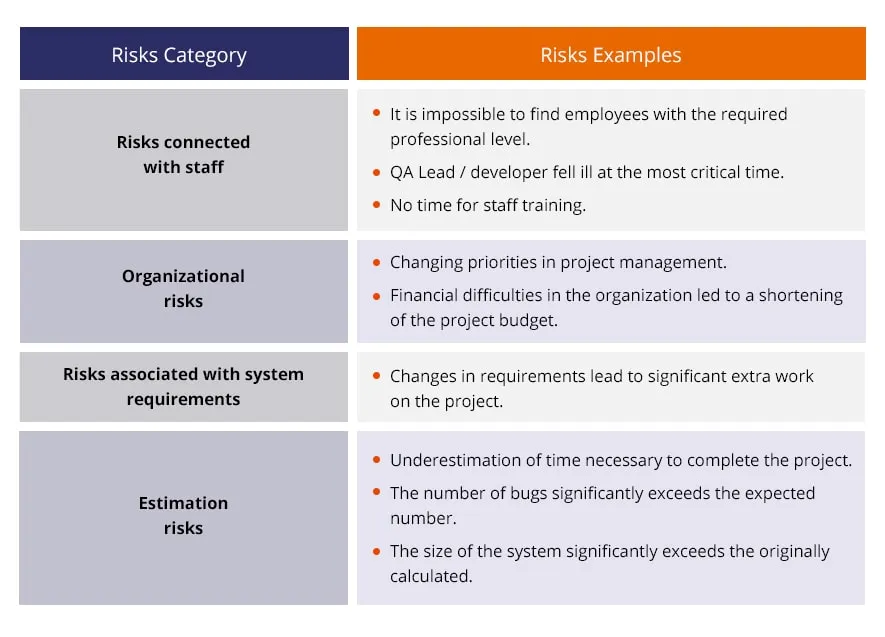
Despite the perks, merchants must weigh certain risks:
- Higher Effective Cost: The factor rate (often 1.2–1.5) can translate to an annual percentage rate (APR) that exceeds traditional loan rates.
- Revenue Impact: The holdback reduces immediate cash from each sale, which can affect day‑to‑day operations.
- Contractual Rigor: Early repayment penalties or rigid terms may limit flexibility.
- Industry Restrictions: High‑risk sectors (e.g., adult entertainment, CBD) may face higher fees or outright denial.
Understanding these factors is essential before committing. A transparent review of the fee structure and a clear projection of repayment timelines can prevent unpleasant surprises.
Step‑by‑Step Guide to Securing a Loan

Below is a practical roadmap that mirrors the experience of many small‑business owners:
1. Gather Processing Data
Export the last three to six months of settlement reports from your payment gateway. Focus on total card volume, average ticket size, and seasonal trends.
2. Choose a Reputable Processor
Not all processors offer advance programs. Look for providers with transparent terms, strong customer support, and positive reviews. The hidden mechanics of credit card and ACH payment processing article offers insight into evaluating processors.
3. Submit an Application
Fill out a concise application form, attaching the processing statements and basic business documentation (e.g., EIN, bank statements). Most platforms provide an online portal that guides you through each field.
4. Review the Offer
Once approved, you’ll receive a term sheet outlining the advance amount, factor rate, holdback percentage, and any fees. Compare multiple offers if possible to ensure you’re getting competitive terms.
5. Accept and Fund
After signing the agreement, the processor will transfer the funds—often within one business day. The holdback begins on the next transaction, automatically routing the agreed‑upon percentage to the lender.
6. Monitor Repayment
Track the diminishing balance via the processor’s dashboard. Many platforms provide real‑time updates, helping you forecast when the advance will be fully repaid.
Integrating the Advance with Cash Flow Management
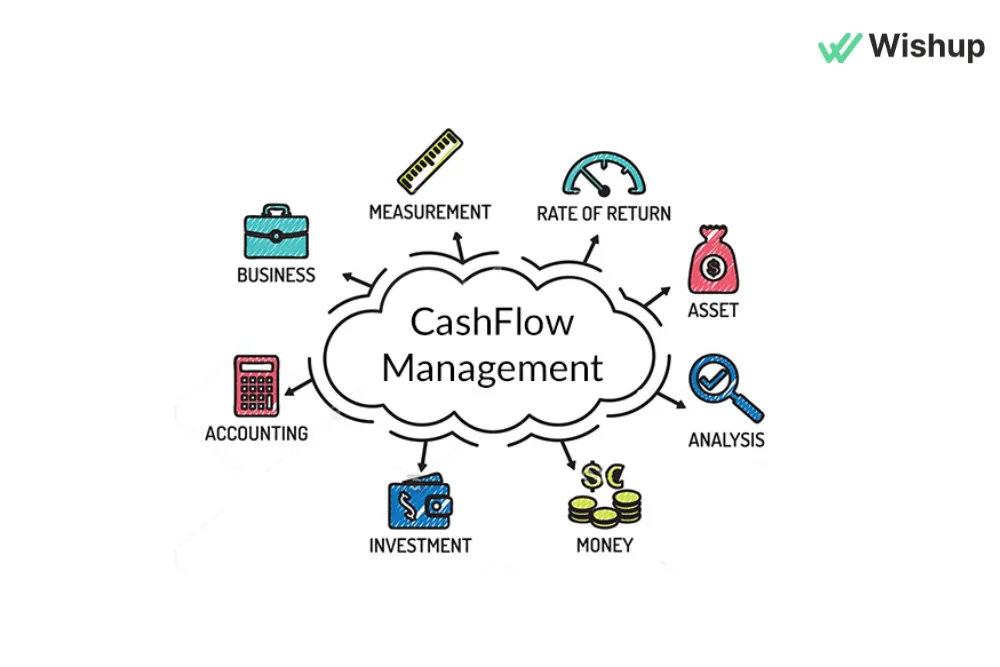
Effective cash‑flow management is crucial when a portion of each sale is earmarked for repayment. Here are practical tips:
- Maintain a Reserve: Keep a buffer equal to at least one month of holdback amounts to cover operating expenses.
- Adjust Pricing: Slightly increase product prices or introduce a small service fee to offset the holdback impact without alienating customers.
- Track Metrics: Use accounting software to monitor the ratio of net sales to repayment, ensuring profitability remains healthy.
By treating the advance as a dynamic line of credit rather than a static loan, merchants can better align financing costs with actual revenue performance.
Real‑World Example: A Boutique Coffee Shop

Emma owns a boutique coffee shop in Austin, Texas. After a successful holiday season, she needed $30,000 to upgrade her espresso machines and expand seating. Traditional banks required a lengthy underwriting process, and her credit score was modest due to recent student loan payments.
Emma consulted her point‑of‑sale (POS) provider, which offered a merchant‑cash‑advance program. Her average monthly card sales were $15,000, qualifying her for a 20% holdback. The processor approved a $35,000 advance at a factor rate of 1.3, meaning the total repayment would be $45,500.
Within 36 hours, the funds were deposited. Each sale now contributed 20% toward the balance, automatically reducing the outstanding amount. After eight months of steady sales, Emma’s advance was fully repaid, and she avoided the high‑interest rates typical of credit cards.
This story illustrates how a well‑structured processing‑based loan can fund growth while maintaining operational stability.
Regulatory Landscape and Compliance
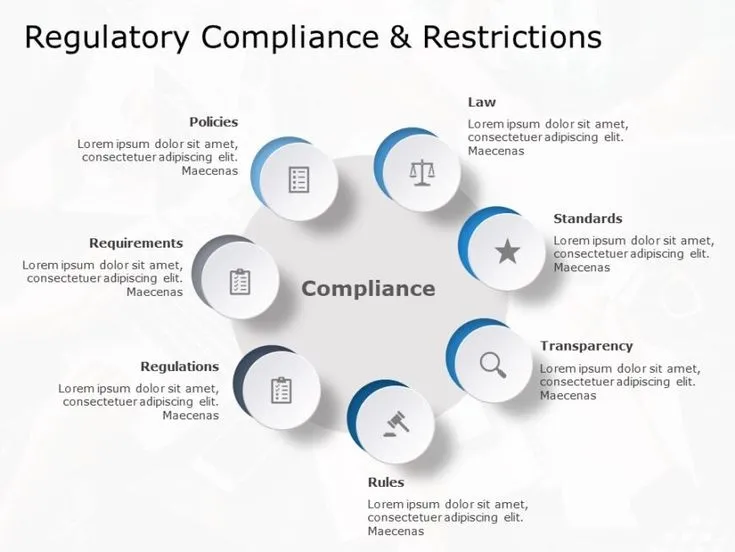
Business loans through credit card processing fall under a mix of federal and state regulations. Key considerations include:
- Truth in Lending Act (TILA): Requires clear disclosure of fees, APR, and repayment terms.
- State Usury Laws: Some states cap the effective interest rate, influencing allowable factor rates.
- PCI DSS Compliance: Merchants must continue to meet data‑security standards, as the processor will handle sensitive card information.
Choosing a processor that adheres to these regulations protects both the merchant and the lender from legal exposure.
Future Trends: Technology Driving Faster Funding

Advancements in data analytics and real‑time processing are reshaping the landscape. Some processors now offer same‑day funding, leveraging AI to evaluate risk instantly and dispense capital within minutes.
Emerging trends include:
- Dynamic Holdbacks: Adjusting the repayment percentage based on daily sales spikes, providing more flexibility.
- Integrated Dashboards: Combining sales, financing, and inventory data for holistic business insights.
- Blockchain Verification: Enhancing transparency and reducing fraud in the funding process.
As technology continues to evolve, merchants can expect even shorter approval cycles and more customized financing solutions.
In summary, business loans through credit card processing present a viable path for businesses seeking rapid, flexible capital. By understanding eligibility, weighing costs, and integrating repayment into daily operations, entrepreneurs can harness this tool to fuel growth without the delays typical of conventional lending. Careful selection of a reputable processor, diligent cash‑flow monitoring, and awareness of regulatory requirements are essential pillars for success.