Table of Contents
- Understanding Credit Card Merchants
- What Small Businesses Need
- Key Factors When Choosing a Merchant Provider
- Transaction Fees and Pricing Models
- Integration and Compatibility
- Security and Compliance
- Top Merchant Services Tailored for Small Business
- Practical Tips for Optimizing Card Payments
- Negotiating Rates
- Leveraging Data and Reporting
- Encouraging Preferred Payment Methods
- Maintaining Compliance and Reducing Chargebacks
- Future‑Proofing Your Payment Infrastructure
Finding the right credit card merchant for small business is a pivotal step in modern retail. In an era where customers expect seamless, secure, and fast payment options, a merchant service provider becomes more than a payment conduit—it acts as a growth catalyst. This article walks through the essential considerations, highlights leading providers, and offers actionable advice for entrepreneurs looking to streamline their payment operations.
Small business owners often juggle inventory, marketing, and cash flow while trying to keep overhead low. Selecting a merchant processor that aligns with these constraints can mean the difference between thriving and merely surviving. By understanding the landscape, evaluating costs, and leveraging technology, owners can build a payment ecosystem that supports both daily transactions and long‑term strategic goals.
Understanding Credit Card Merchants
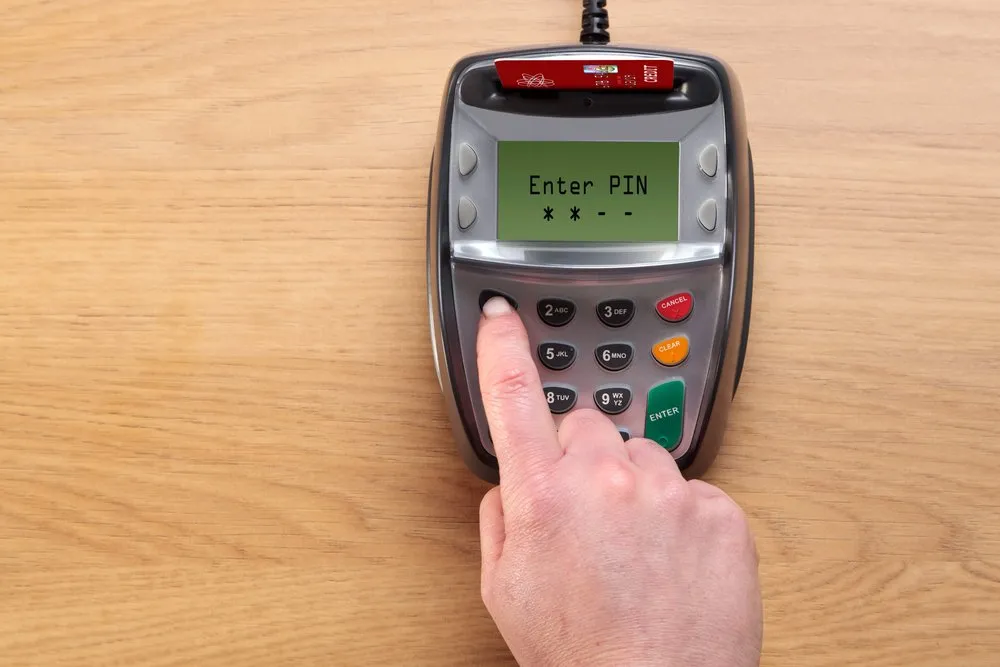
Credit card merchants, also known as payment processors, act as intermediaries between a business’s point‑of‑sale (POS) system and the cardholder’s issuing bank. When a customer swipes, taps, or enters card details online, the merchant provider encrypts the data, routes it through the card networks (Visa, MasterCard, etc.), and returns an approval or decline response.
What Small Businesses Need
- Transparent Pricing: Clear fee structures prevent surprise charges that can erode profit margins.
- Fast Settlement: Quick access to funds improves cash flow, especially for businesses with thin margins.
- Scalability: Solutions should accommodate growth, whether through higher transaction volume or new sales channels.
- Security Compliance: PCI‑DSS adherence safeguards customer data and protects the business from costly breaches.
- Ease of Integration: Seamless connection with existing POS, e‑commerce platforms, and accounting software reduces operational friction.
Understanding these fundamentals helps owners compare providers on a level playing field rather than being swayed solely by brand reputation.
Key Factors When Choosing a Merchant Provider
Transaction Fees and Pricing Models
Most merchants charge a combination of a percentage of each sale (typically 1.5%–3.5%) and a fixed per‑transaction fee (often $0.10–$0.30). Some providers offer tiered pricing, where rates drop as volume increases, while others use a flat‑rate model that simplifies budgeting. Small businesses should request a detailed fee schedule and ask about:
- Monthly gateway fees.
- PCI compliance fees.
- Chargeback and dispute fees.
- Early termination penalties.
When evaluating costs, calculate the effective annual percentage rate (APR) across different sales volumes to see which model best fits your projected growth.
Integration and Compatibility
Today’s retailers operate across multiple channels—brick‑and‑mortar, online storefronts, and mobile apps. A merchant processor that offers APIs, pre‑built plugins for platforms like Shopify, WooCommerce, or Square, and a unified dashboard can reduce the need for separate contracts and technical staff.
For entrepreneurs interested in expanding to a dedicated business credit line, the guide applying for a business credit card online provides a step‑by‑step overview of the digital application process, highlighting how integrated payment data can streamline underwriting.
Security and Compliance
PCI‑DSS compliance is non‑negotiable. Providers should supply tokenization, end‑to‑end encryption, and support for EMV chip cards. Additionally, look for fraud detection tools such as velocity checks, address verification (AVS), and 3‑D Secure authentication. These features not only protect customers but also reduce the likelihood of costly chargebacks.
Top Merchant Services Tailored for Small Business
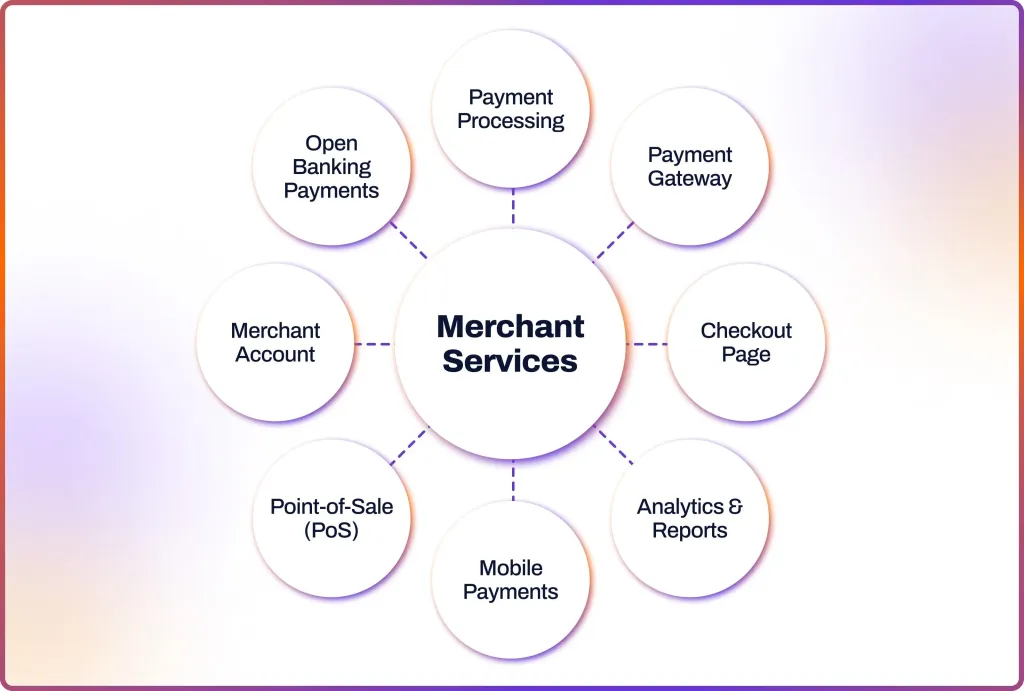
While the market is crowded, a few providers consistently rank high for small‑business friendliness. Below is a concise overview of each, emphasizing the aspects that matter most to owners with limited resources.
- Square – Known for its flat‑rate pricing (2.6% + $0.10 for in‑person, 2.9% + $0.30 online) and robust hardware options, Square also offers inventory management, employee scheduling, and a free online store builder.
- Stripe – Ideal for e‑commerce startups, Stripe provides a developer‑friendly API, customizable checkout, and advanced fraud tools. Pricing mirrors industry averages, but the lack of monthly fees keeps overhead low.
- PayPal Zettle – Merges PayPal’s online ecosystem with a portable card reader. Small retailers benefit from the ability to accept PayPal, Venmo, and major cards in a single device.
- Helcim – Offers transparent interchange‑plus pricing, no long‑term contracts, and multi‑currency support—valuable for businesses targeting international customers.
- Shopify Payments – Seamlessly integrates with Shopify stores, eliminating the need for a third‑party gateway. Rates are competitive, especially for merchants already on the platform.
Businesses operating in higher‑risk categories—such as subscription services or adult‑industry products—may need specialized solutions. The article understanding the landscape of high‑risk credit card processing dives deeper into the unique challenges and provider options for these merchants.
Practical Tips for Optimizing Card Payments

Negotiating Rates
Many providers quote standard rates, but small businesses with steady volume can often negotiate lower interchange‑plus fees. Prepare a summary of monthly sales, average ticket size, and chargeback history before contacting sales representatives. Demonstrating a low‑risk profile can lead to reduced per‑transaction costs.
Leveraging Data and Reporting
Modern dashboards provide real‑time analytics on sales trends, peak transaction times, and average order values. Use these insights to adjust staffing, inventory, and promotional strategies. For example, identifying a surge in mobile payments during lunch hours might justify a second handheld reader to reduce queue times.
Encouraging Preferred Payment Methods
While accepting all major cards is essential, incentivizing lower‑cost options—such as debit cards or ACH transfers—can improve margins. Display subtle signage that highlights “No surcharge for debit” or offer a modest discount for customers who choose electronic checks.
Maintaining Compliance and Reducing Chargebacks
Implement clear return policies, capture accurate transaction data, and promptly respond to disputes. Many processors provide chargeback alerts; acting quickly can prevent a dispute from escalating into a costly reversal.
Future‑Proofing Your Payment Infrastructure
The payment ecosystem continues to evolve with contactless wearables, QR‑code payments, and digital wallets like Apple Pay and Google Pay. Choose a provider that routinely updates its firmware and supports emerging standards, ensuring your business stays competitive without major hardware overhauls.
By aligning your merchant services with these practical guidelines, you set a foundation for smoother transactions, stronger cash flow, and a better customer experience—all critical components for sustainable growth.
In the end, the right credit card merchant for small business is not merely the one with the lowest fees, but the partner that offers flexibility, security, and tools that empower you to focus on what matters most: delivering products and services your customers love.