Table of Contents
Transaction management software for real estate brokers has become an essential tool in the industry, streamlining the process of managing transactions from start to finish. The software helps brokers to efficiently manage their workflow, reduce errors, and increase productivity. With the help of this software, brokers can focus on what they do best – finding and closing deals.
In the past, transaction management was a manual process that involved a lot of paperwork, phone calls, and emails. However, with the advent of technology, the process has become automated, making it easier and more efficient. The software provides a centralized platform where all parties involved in the transaction can access and share information, reducing the risk of miscommunication and errors. For instance, brokers can use Real Estate Back Office Management Software to manage their back-office operations, including transaction management.
The use of transaction management software for real estate brokers has numerous benefits. It helps to reduce the time spent on administrative tasks, allowing brokers to focus on more important aspects of their business. The software also provides a high level of transparency, making it easier for brokers to track the progress of transactions and identify potential issues. Additionally, the software helps to improve communication between parties involved in the transaction, reducing the risk of misunderstandings and errors. Brokers can also use Commercial Real Estate Portfolio Management Software to manage their commercial real estate portfolios, including transaction management.
Features of Transaction Management Software for Real Estate Brokers
Transaction management software for real estate brokers typically includes a range of features that help to streamline the process of managing transactions. Some of the key features include:
- Contact management: The software provides a centralized platform where brokers can store and manage contact information for all parties involved in the transaction.
- Transaction tracking: The software allows brokers to track the progress of transactions, including the status of offers, inspections, and appraisals.
- Document management: The software provides a secure and centralized platform where brokers can store and manage documents related to the transaction, including contracts, agreements, and disclosures.
- Communication tools: The software includes communication tools, such as email and messaging, that allow brokers to communicate with parties involved in the transaction.
- Reporting and analytics: The software provides reporting and analytics tools that help brokers to track their performance and identify areas for improvement.
Benefits of Using Transaction Management Software for Real Estate Brokers
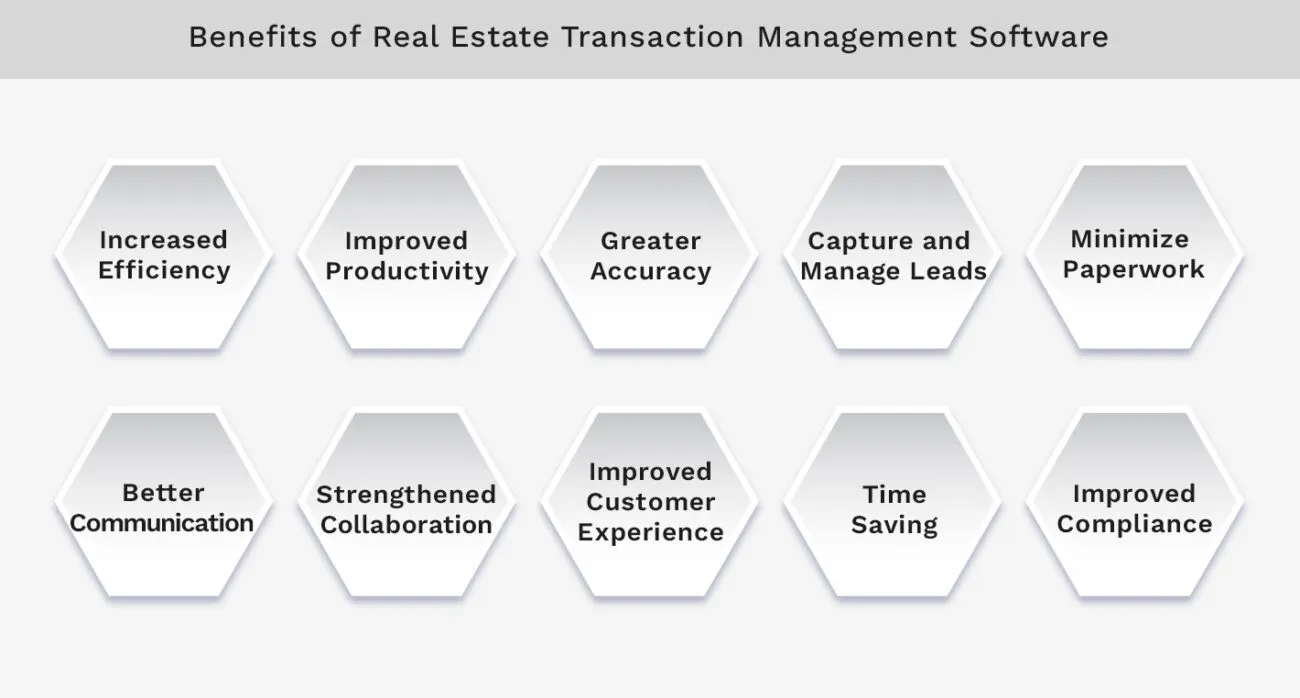
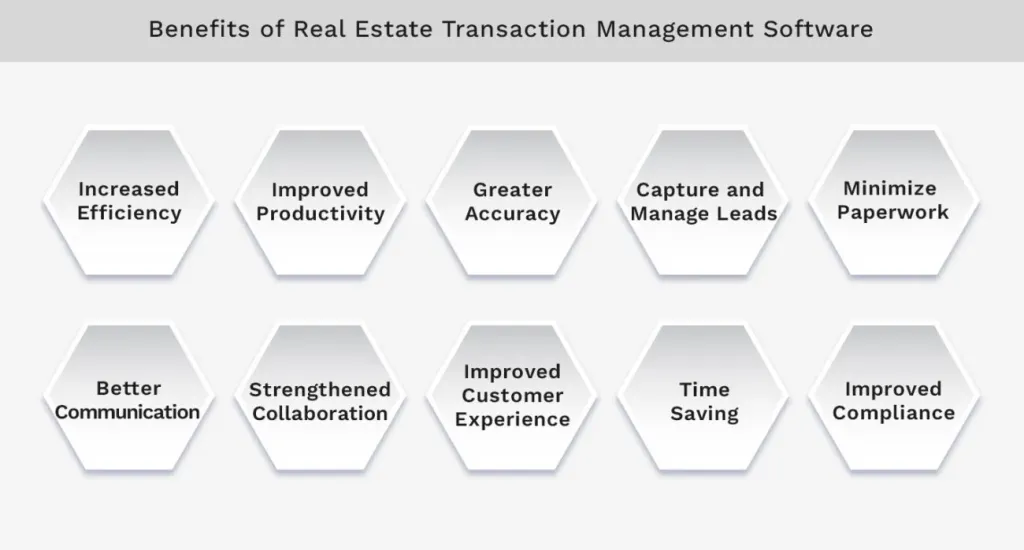
The benefits of using transaction management software for real estate brokers are numerous. Some of the key benefits include:
- Increased efficiency: The software helps to automate many of the administrative tasks involved in managing transactions, freeing up brokers to focus on more important aspects of their business.
- Improved communication: The software provides a centralized platform where all parties involved in the transaction can access and share information, reducing the risk of miscommunication and errors.
- Reduced risk: The software helps to reduce the risk of errors and mistakes by providing a secure and centralized platform for managing documents and tracking the progress of transactions.
- Improved customer service: The software helps brokers to provide better customer service by providing them with access to information and tools that help them to manage transactions more efficiently.
- Increased productivity: The software helps brokers to increase their productivity by automating many of the administrative tasks involved in managing transactions, allowing them to focus on more important aspects of their business.
In addition to the benefits mentioned above, transaction management software for real estate brokers can also help to improve the overall customer experience. By providing a centralized platform where all parties involved in the transaction can access and share information, the software helps to reduce the risk of miscommunication and errors, making the process of buying or selling a property less stressful and more efficient. Brokers can also use Custom Real Estate Software Development Services to develop customized software that meets their specific needs.
The use of transaction management software for real estate brokers is not limited to residential transactions. The software can also be used to manage commercial real estate transactions, including the management of commercial properties and the negotiation of leases. Brokers can use Hard Money Loans for Commercial Real Estate to finance their commercial real estate deals.
In conclusion, transaction management software for real estate brokers is an essential tool that helps to streamline the process of managing transactions from start to finish. The software provides a centralized platform where all parties involved in the transaction can access and share information, reducing the risk of miscommunication and errors. By using this software, brokers can increase their efficiency, improve communication, reduce risk, and provide better customer service, ultimately leading to increased productivity and success in their business. As the real estate industry continues to evolve, the use of transaction management software for real estate brokers will play an increasingly important role in helping brokers to stay ahead of the competition and provide the best possible service to their clients. For instance, brokers can use Real Estate Closing Software for Attorneys to manage the closing process of their transactions.