Table of Contents
- Understanding real estate broker e&o insurance
- Key components of real estate broker e&o insurance coverage
- Who needs real estate broker e&o insurance?
- Factors influencing the cost of real estate broker e&o insurance
- Choosing the right real estate broker e&o insurance policy
- Assess coverage limits and sub‑limits
- Review policy exclusions carefully
- Consider additional endorsements
- Compare insurers and seek professional advice
- Integrating insurance with broader risk management strategies
- Leverage technology to reduce errors
- Invest in ongoing education and certification
- Implement robust client communication protocols
- Utilize targeted marketing to attract qualified leads
- Regulatory considerations and compliance
- Documentation and proof of insurance
- Claims handling and the role of the insurer
- Post‑claim risk mitigation
- Future trends in real estate broker e&o insurance
Every real estate broker knows that the stakes are high when facilitating property transactions. One mistake—a missed disclosure, an inaccurate valuation, or a breach of fiduciary duty—can lead to costly lawsuits. To protect against these risks, brokers turn to a specialized form of liability coverage known as errors and omissions insurance, often abbreviated as E&O insurance.
In this article we explore the landscape of real estate broker e&o insurance, from the basic definition to the nuances that influence premiums and policy selection. By the end, you’ll understand why this coverage is not merely a regulatory checkbox but a critical component of a broker’s risk management strategy.
We’ll also examine how technology, professional development, and marketing intersect with insurance decisions, offering a holistic view that helps brokers make informed choices.
Understanding real estate broker e&o insurance

Real estate broker e&o insurance is a type of professional liability insurance that protects brokers against claims of negligence, errors, or omissions that arise from the performance of their professional duties. Unlike general liability insurance, which covers bodily injury or property damage, E&O insurance focuses on the financial losses a client may suffer due to a broker’s mistake.
The policy typically covers legal defense costs, settlements, and judgments up to the limits specified in the contract. It also may provide coverage for punitive damages in jurisdictions where they are permissible.
Key components of real estate broker e&o insurance coverage
- Professional negligence: Protects against claims that the broker failed to exercise the standard of care expected in the industry.
- Errors and omissions: Covers mistakes such as misrepresenting property details, failing to disclose material facts, or providing incorrect legal advice.
- Defense costs: Includes attorney fees, court expenses, and other costs associated with defending a claim, regardless of the outcome.
- Policy limits and sub-limits: Defines the maximum amount the insurer will pay for a single claim and in aggregate over the policy period.
- Exclusions: Typical exclusions include intentional wrongdoing, fraudulent acts, and claims arising from non‑professional activities.
Who needs real estate broker e&o insurance?
Licensing boards in most U.S. states require brokers and sales agents to maintain a minimum level of E&O coverage. Even in states where it is not mandated, lenders, brokerage firms, and franchise agreements often demand proof of insurance before allowing a broker to operate. In short, any professional who provides advice or services that could result in a financial loss for a client should consider real estate broker e&o insurance.
Factors influencing the cost of real estate broker e&o insurance
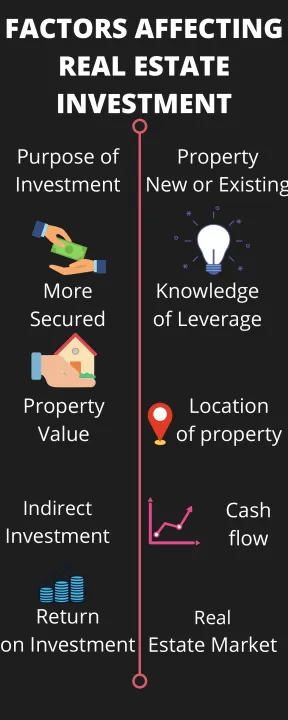
Premiums for real estate broker e&o insurance are not one‑size‑fits‑all. Insurers assess a variety of risk factors before determining the rate:
- Experience and track record: Brokers with a long, claim‑free history typically enjoy lower rates.
- Volume of transactions: Higher transaction volumes increase exposure, leading to higher premiums.
- Geographic location: Markets with higher litigation rates, such as California or New York, often see higher costs.
- Specializations: Brokers dealing with commercial properties, luxury homes, or international transactions may face higher premiums due to increased complexity.
- Claims history: A history of past claims signals higher risk and can significantly raise the cost.
- Deductible choice: Selecting a higher deductible reduces the premium but increases out‑of‑pocket costs in the event of a claim.
Understanding these variables helps brokers negotiate better terms and select policies that align with their business models.
Choosing the right real estate broker e&o insurance policy

When evaluating potential policies, brokers should consider the following steps to ensure adequate protection:
Assess coverage limits and sub‑limits
Typical policies offer limits ranging from $250,000 to $5 million per claim, with aggregate limits often set at twice the per‑claim amount. Brokers must evaluate the size of their typical transactions and the potential magnitude of a claim to select appropriate limits.
Review policy exclusions carefully
Exclusions can vary widely between insurers. Some policies may exclude coverage for claims related to fraud, misrepresentation of zoning, or failure to disclose environmental hazards. Reading the fine print prevents unpleasant surprises when a claim arises.
Consider additional endorsements
Endorsements, also known as riders, can extend coverage to areas not included in the base policy. Common endorsements for brokers include:
- Cyber liability for data breaches involving client information.
- Employment practices liability for claims related to staff actions.
- Contractual liability for obligations assumed under client contracts.
Compare insurers and seek professional advice
Not all insurers specialize in real estate brokerage. Working with an insurance broker who understands the nuances of real estate practice can streamline the selection process. Additionally, consulting with a risk management consultant can provide insights into potential gaps in coverage.
Integrating insurance with broader risk management strategies
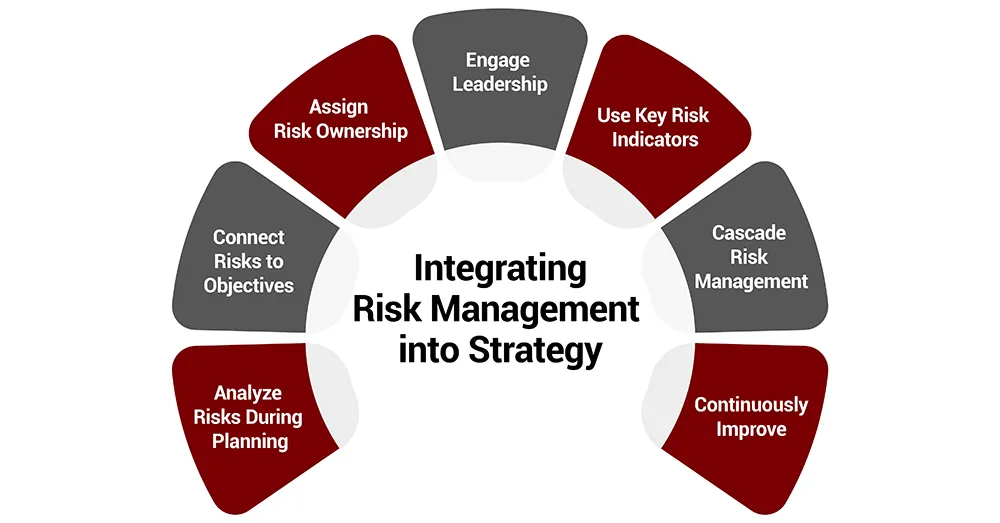
Real estate broker e&o insurance should be viewed as one layer within a multi‑pronged risk management framework. Effective brokers combine insurance with operational best practices to minimize exposure.
Leverage technology to reduce errors
Adopting robust property management software and transaction management platforms can automate disclosures, track deadlines, and ensure consistent documentation. By reducing manual data entry, brokers lower the likelihood of omissions that could trigger a claim.
Invest in ongoing education and certification
Continuing education not only satisfies licensing requirements but also sharpens a broker’s knowledge of evolving regulations. For example, the Wharton Real Estate Investing & Analysis Certificate Program provides advanced training that can improve decision‑making and reduce the probability of costly mistakes.
Implement robust client communication protocols
Clear, documented communication helps set realistic expectations and creates a paper trail. Using standardized forms for disclosures, consent, and representation agreements can protect both the broker and the client.
Utilize targeted marketing to attract qualified leads
Effective lead generation reduces the risk of rushed transactions that may lead to errors. Employing strategies outlined in Google Ads for Real Estate Leads – A Complete Guide enables brokers to attract prospects who are already aligned with their service offerings, thereby minimizing the chance of misunderstandings.
Regulatory considerations and compliance
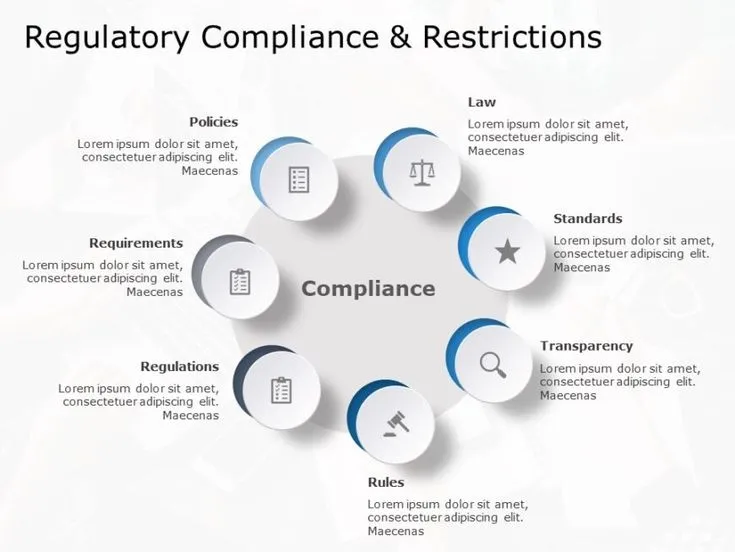
State real estate commissions often publish minimum E&O coverage requirements. For instance, the Texas Real Estate Commission mandates a minimum of $100,000 per claim with a $300,000 aggregate limit. Failure to maintain the required coverage can result in disciplinary action, including license suspension.
Beyond state mandates, brokerage firms may impose stricter standards. Many national franchise brands require brokers to carry a minimum of $1 million in coverage, reflecting the brand’s risk tolerance and the desire to protect its reputation.
Documentation and proof of insurance
Most licensing boards require brokers to submit a certificate of insurance (COI) as part of the licensing or renewal process. The COI should clearly list the policy number, effective dates, limits, and any applicable endorsements. Keeping an up‑to‑date digital copy in a secure document management system ensures easy retrieval during audits.
Claims handling and the role of the insurer
When a claim is filed, the insurer’s claims department typically takes charge of the defense. Brokers should cooperate fully by providing all relevant documentation, such as contracts, emails, and transaction records. Prompt response can influence the outcome and potentially reduce settlement amounts.
Some insurers offer risk control services, including legal advice and pre‑litigation counseling. Engaging these resources early can help brokers resolve disputes before they escalate to formal lawsuits.
Post‑claim risk mitigation
After a claim is settled, brokers should conduct a thorough review to identify the root cause. Implementing corrective measures—whether through updated policies, additional training, or technology upgrades—helps prevent recurrence.
Future trends in real estate broker e&o insurance
The insurance landscape is evolving alongside the real estate industry. Emerging trends include:
- Usage‑based pricing: Insurers are experimenting with premiums tied to actual transaction volume and claim history, offering more flexible pricing models.
- Cyber extensions: As brokers increasingly rely on digital platforms, cyber liability endorsements are becoming standard.
- AI‑driven underwriting: Machine learning algorithms assess risk factors more accurately, potentially lowering costs for low‑risk brokers.
- Integrated risk platforms: Some providers now bundle E&O insurance with risk management tools, offering a single dashboard for policy management and incident tracking.
Staying informed about these developments enables brokers to adapt their coverage strategies proactively.
In summary, real estate broker e&o insurance is a foundational element of a broker’s professional toolkit. By understanding the scope of coverage, assessing cost drivers, and integrating insurance with technology, education, and robust processes, brokers can safeguard their businesses against the financial fallout of professional errors. Maintaining compliance with state regulations, documenting coverage meticulously, and embracing emerging trends will further strengthen a broker’s resilience in an ever‑changing market.