Table of Contents
- How to Adopt a Retired Military Dog: Eligibility and First Steps
- Understanding How to Adopt a Retired Military Dog: Documentation Requirements
- Preparing Your Home for a Veteran Canine
- Training and Socialization After Adoption
- Health Care and Ongoing Support
- Financial Planning for Long‑Term Care
- Legal Considerations and Ownership Transfer
- Community Integration and Support Networks
Retired military dogs have served alongside soldiers in some of the most demanding environments. After years of service, many of these highly trained canines become eligible for adoption, offering civilian families a chance to give them a peaceful home. The transition from a disciplined unit to a family setting requires careful planning, but the reward is a loyal companion who has already proven its dedication.
Understanding how to adopt a retired military dog begins with recognizing the unique needs of these animals. Their training, health history, and temperament differ from typical shelter dogs. Prospective adopters must be prepared to meet these requirements, provide appropriate care, and respect the dog’s background. This guide walks through each stage of the adoption process, offering clear steps and practical advice.
Before diving into the specifics, it is useful to reflect on the long‑term commitment involved. Owning a retired military dog is comparable to planning a major life event, such as retirement. Just as a thorough retirement strategy considers health, finances, and lifestyle, adopting a veteran dog demands a holistic view of the animal’s welfare. For readers interested in detailed planning frameworks, a comprehensive retirement guide can provide useful parallels.
How to Adopt a Retired Military Dog: Eligibility and First Steps

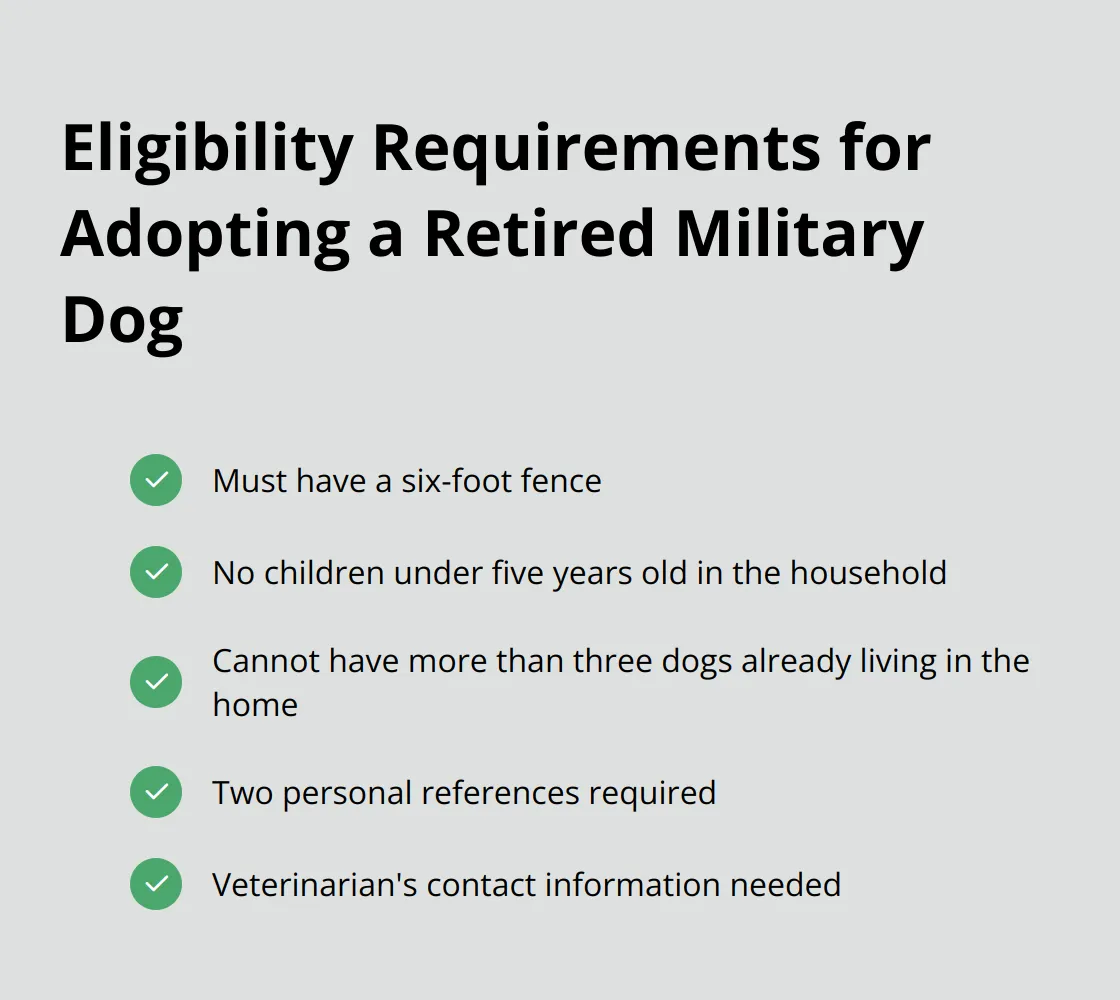
The first question most adopters ask is whether they qualify. Eligibility criteria are set by the military branch or the organization handling the adoption. Common requirements include:
- Proof of a stable living environment (house with a fenced yard is preferred).
- Background check to ensure no history of animal abuse.
- Ability to provide regular veterinary care and a balanced diet.
- Commitment to a minimum adoption period, often ranging from five to ten years.
Once these basics are met, the next step is to contact the official adoption program. Most branches work with non‑profit groups that manage the transition. These groups will provide an application form, which typically asks for personal information, living situation, and prior experience with dogs.
Understanding How to Adopt a Retired Military Dog: Documentation Requirements
Accurate documentation streamlines the process. Applicants should gather the following:
- Identification (driver’s license or passport).
- Proof of residence (utility bill or lease agreement).
- Veterinary records if the applicant already owns pets.
- References from a veterinarian or a previous dog owner.
Submitting a complete packet reduces back‑and‑forth communication and speeds up the review. After the paperwork is received, a representative will schedule a home inspection and an interview to assess compatibility.
Preparing Your Home for a Veteran Canine
Retired military dogs are accustomed to structure and clear boundaries. Creating a safe, organized space helps the dog adjust quickly. Consider the following actions:
- Designate a quiet area: A crate or a small room where the dog can retreat when overwhelmed.
- Secure the yard: Ensure fences are high enough to prevent escapes, as many military breeds have strong instincts to explore.
- Remove hazards: Hide cords, toxic plants, and small objects that could be chewed.
- Provide enrichment: Toys that stimulate mental activity, such as puzzle feeders, replicate the challenges the dog faced during service.
In addition to physical preparation, families should establish a daily routine. Consistency mirrors the disciplined schedule the dog experienced in the military and reduces anxiety.
Training and Socialization After Adoption
Even though these dogs are highly trained, they may need to relearn certain commands in a civilian context. Key points include:
- Positive reinforcement: Reward calm behavior with treats and praise.
- Gradual exposure: Introduce new sounds, people, and environments slowly.
- Professional assistance: Enlist a certified dog trainer familiar with working‑dog breeds.
Socialization should be paced to avoid overwhelming the animal. A retired military dog may display protective instincts; proper guidance ensures these traits become assets rather than challenges.
Health Care and Ongoing Support

Veterinary care for a retired military dog often includes monitoring for conditions common in working breeds, such as hip dysplasia, arthritis, and hearing loss. Regular check‑ups every six months are advisable. Owners should also maintain a record of vaccinations, deworming, and any medication prescribed for chronic issues.
Many adoption programs offer post‑adoption support, including access to a network of veterinarians experienced with military canines. Some organizations also provide subsidies for medical expenses during the first year, acknowledging the higher likelihood of service‑related health concerns.
Financial Planning for Long‑Term Care
Adopting a retired military dog is a financial commitment. Costs include food, routine veterinary visits, emergency care, and specialized equipment. Planning ahead, much like creating a retirement fund, helps avoid unexpected strain. Readers seeking detailed financial planning resources might find the T. Rowe Price Retirement 2040 review useful for understanding how to allocate resources over time.
Legal Considerations and Ownership Transfer

Ownership transfer documents vary by state and organization. Typically, adopters sign a contract that outlines responsibilities, such as:
- Never re‑selling or re‑homing the dog without agency approval.
- Providing updates on the dog’s wellbeing.
- Allowing periodic inspections by the adopting organization.
These agreements protect the dog’s welfare and ensure the adopting family remains accountable. Some contracts also include a clause that the dog may be returned to the organization if the family can no longer care for it, emphasizing a lifelong safety net.
Community Integration and Support Networks
Adopting a retired military dog often opens doors to a broader community of veteran pet owners. Local groups host meet‑ups, training workshops, and fundraising events. Participation strengthens the bond between the dog and its new family while honoring the animal’s service legacy.
Online forums and social media pages dedicated to veteran dogs provide platforms for sharing experiences, troubleshooting challenges, and celebrating milestones such as the dog’s first birthday in a civilian home.
In summary, learning how to adopt a retired military dog involves a series of deliberate steps: confirming eligibility, completing documentation, preparing a structured home environment, providing tailored health care, and engaging with support networks. By approaching the process with the same diligence applied to long‑term life planning, prospective owners can ensure a smooth transition for both themselves and their new companion. The commitment rewards families with a steadfast partner whose history of service continues in a new, peaceful chapter.